States Where Black Bears Are Increasing Conflicts With Landowners
Across the country, black bears are showing up in places where they used to be rare visitors. In some regions, that’s a conservation success story. In others, it’s a growing headache for people living and working on the land. When food sources shift, habitat edges expand, and development pushes deeper into timber and foothills, bears follow what sustains them. That brings them into barns, garbage cans, chicken coops, and backyards.
If you’ve spent time in bear country lately, you already know the pattern. What used to be a surprise sighting has turned into a regular part of rural life. Here’s where those conflicts are picking up the most.
New Jersey
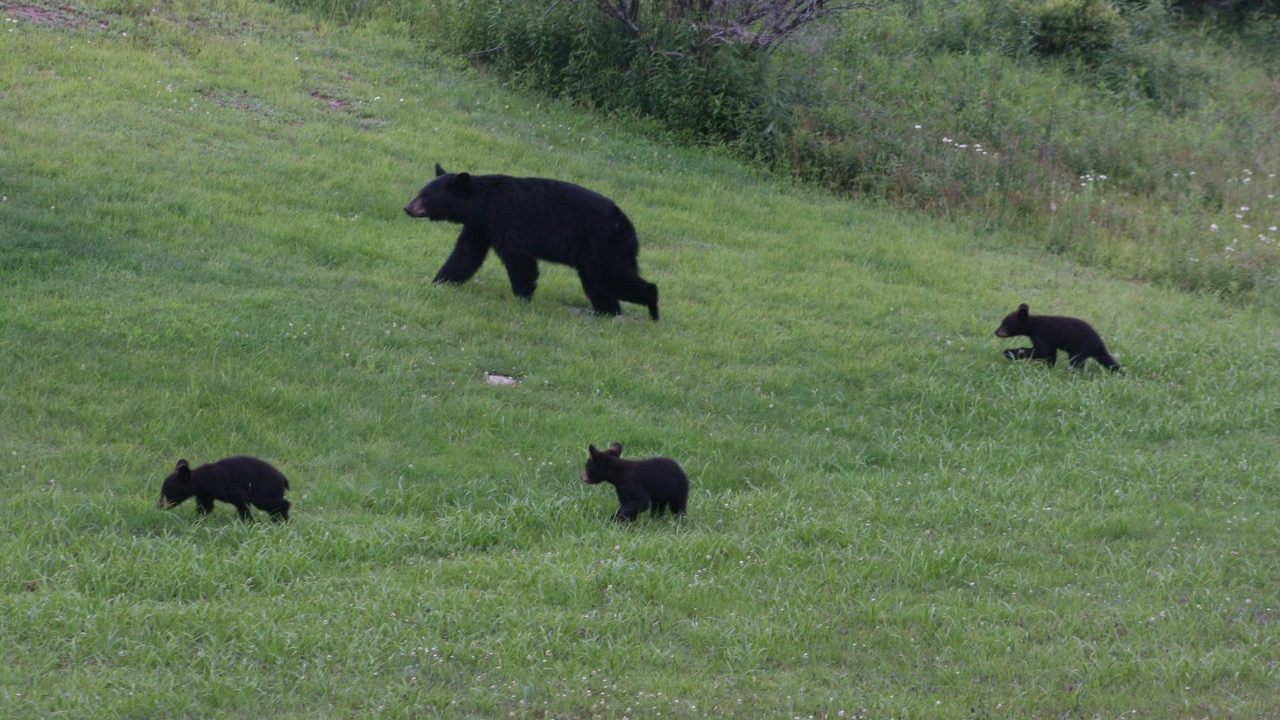
In New Jersey, black bears are no longer confined to remote stretches of the northwest. You’re seeing them work suburban edges, especially where housing developments meet forested ridges. That overlap is where problems start—bird feeders, unsecured trash, and small livestock become easy targets.
The state has one of the more well-documented histories of human-bear conflict in the East. Wildlife agencies have spent years adjusting hunting seasons and management tools to keep numbers in check. Even so, when a bear learns how easy it is to find food near people, it tends to come back. That learning behavior drives most of the complaints landowners deal with today.
New York
New York’s bear population has expanded steadily in recent decades, especially in the Adirondacks, Catskills, and parts of the Hudson Valley. As bears move into mixed-use areas, you’re seeing more run-ins with rural homeowners and small farms.
A lot of the issues come down to food conditioning. Once a bear gets into garbage or agricultural feed, it doesn’t forget. That puts pressure on landowners to harden everything from dumpsters to sheds. In some areas, wildlife officials have had to relocate or euthanize problem animals, but the root issue often circles back to easy human food sources on the landscape.
Pennsylvania
Pennsylvania has one of the largest black bear populations in the East, and that density shows up in the number of complaints. If you live near timber or farmland, you’ve likely seen bears moving through more often than in the past.
The mix of hardwood forests and agriculture creates steady food availability, especially during mast years when acorns and beech nuts drop. When natural food runs thin, bears shift toward farms, bee yards, and garbage. That’s where conflicts spike. Landowners dealing with repeated visits often end up investing in electric fencing or bear-proof storage just to stay ahead of persistent animals.
Massachusetts
In Massachusetts, bear range has pushed eastward into areas that didn’t see regular activity a generation ago. You’re now finding them in suburban zones west and north of Boston, where forest patches are broken up by housing developments.
That patchwork landscape creates ideal conditions for conflict. Bears can move through cover but still access human food sources along the way. Bird feeders and unsecured trash are common triggers. Once bears get comfortable in those settings, they return repeatedly. The state has leaned heavily on public education, but behavior change on the human side takes time, especially in densely populated rural-suburban edges.
North Carolina
North Carolina’s coastal plain and mountain regions both hold strong bear populations, and that range overlap brings steady conflict reports. In the east, bears move through agricultural land. In the west, they share space with expanding residential development.
You’re dealing with two different types of pressure: crop damage in farming areas and backyard encounters in growing towns. Cornfields, orchards, and beehives often take the hit. Once bears find reliable food in those spots, they can become hard to displace. Wildlife managers rely heavily on hunting seasons to help regulate numbers, but localized conflicts still spike in areas where development and habitat meet.
Georgia
In Georgia, black bears have expanded in both the north Georgia mountains and parts of central forested regions. As populations grow, landowners are reporting more break-ins on feeders, chicken coops, and unsecured feed storage.
The core issue is habitat overlap. Bears move through large territories, and as development creeps outward, they end up closer to people on a regular basis. Once they associate homes with food, they don’t hesitate to return. Georgia’s wildlife agency has focused on education and regulated hunting to keep populations balanced, but conflict still tends to rise in counties where forested land borders subdivisions and hobby farms.
Florida
Florida’s bear population has rebounded over the past few decades, and with that recovery comes more human interaction. You’re most likely to see issues in central Florida, where protected habitat sits near fast-growing residential areas.
The state has had high-profile encounters tied to garbage access and backyard food attractants. Warm climates make unsecured waste even more appealing, since decomposition and scent carry quickly. Bears don’t need long to learn a neighborhood routine if food is consistent. Florida has responded with bear-proof trash requirements in some counties, but enforcement and adoption vary, leaving pockets where conflict continues.
Colorado
Colorado’s bear conflicts tend to spike in mountain towns where recreation, housing, and forest interface. You’re not dealing with huge population density everywhere, but you are dealing with strong seasonal movement tied to natural food shortages.
When wild berries, acorns, or other forage drop off, bears shift toward human sources—trash, grills, and campsite leftovers. Landowners in foothill communities often report repeated visits once a bear finds an easy food reward. Colorado Parks and Wildlife has pushed hard on securing attractants, but in busy recreation zones, that’s easier said than done. The result is steady conflict cycles during late summer and fall.
California
California’s bear population has expanded into suburban foothills and mountain communities across the Sierra Nevada and parts of Southern California. That puts bears in close contact with residential neighborhoods built right into forest edges.
You’re seeing a mix of issues: overturned trash bins, vehicle break-ins, and damage to small livestock setups. Drought conditions in some years also push bears lower in elevation searching for food and water. Once they become comfortable around homes, they adapt quickly to human routines. State agencies rely heavily on public compliance with food storage rules, but in high-growth areas, keeping up with that demand is an ongoing challenge.

Asher was raised in the woods and on the water, and it shows. He’s logged more hours behind a rifle and under a heavy pack than most men twice his age.