The $200 Tax Stamp Is Officially Dead in 2026: Suppressors and SBRs Just Got Way Easier for Every Gun Owner
Federal rules on certain firearms and accessories rarely shift overnight, but the change that hit on January 1 did exactly that for suppressors and short-barreled rifles. The $200 tax stamp required under the National Firearms Act for decades is now zero. Congress tucked the provision into the One Big Beautiful Bill signed last July, stripping away the fee while leaving the rest of the approval process untouched. For anyone who has eyed a suppressor for range days or an SBR for better handling, the financial barrier that once sat between you and ownership has vanished. The registry, background checks, and paperwork stay in place, but the upfront cost that turned many away is gone.
How the $200 fee originated and why it lasted so long
The National Firearms Act dates back to 1934, when lawmakers imposed a tax on items they considered especially dangerous or easy to conceal. Suppressors and short-barreled rifles fell into that category alongside machine guns. The $200 amount, unchanged for nearly a century, acted as both a revenue source and a deliberate deterrent. Over time it became less about public safety and more about an extra gatekeeping step that affected law-abiding owners far more than anyone else. By the 2020s the fee felt increasingly disconnected from the way people actually used these tools for hunting, home defense, and hearing protection.
Legislation in recent years chipped away at the rationale. Suppressor manufacturers and shooting organizations steadily showed data on reduced noise exposure and safer training environments. The 2025 bill finally aligned policy with that evidence by removing the tax entirely for suppressors, SBRs, SBSs, and AOWs. The move did not rewrite the entire NFA framework, but it eliminated the single most cited obstacle for everyday gun owners ready to add one of these items to their collection.
What the zero-tax rule means when you decide to buy a suppressor
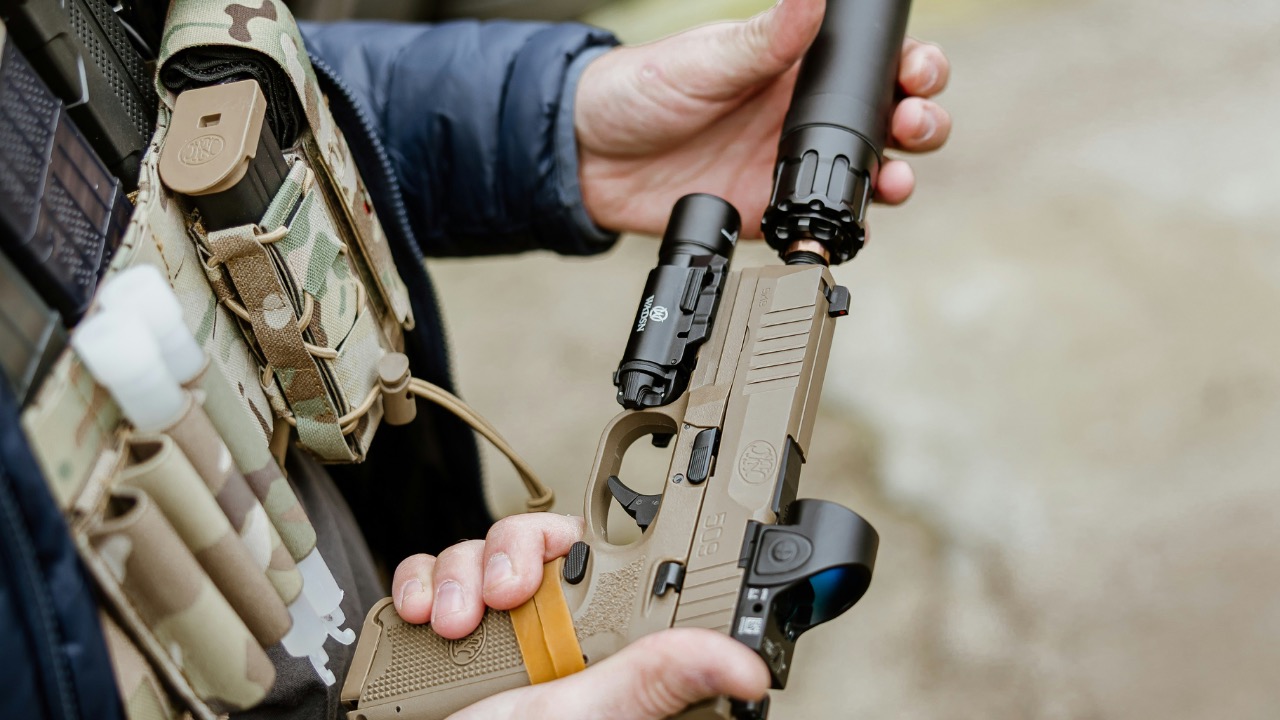
You submit the same ATF Form 4 as before when transferring a suppressor from a dealer. The application still requires fingerprints, photos, and a background check through the NICS system. Approval timelines have not shortened overnight, though the agency continues to process the higher volume of submissions that arrived right after the new year. The key difference is that you no longer attach a $200 payment or wait for a physical stamp to arrive in the mail. Once approved you take possession without that extra expense hanging over the transaction.
Many shops report that first-time buyers who hesitated for years are now moving forward. The savings add up quickly if you plan to own more than one suppressor or combine it with an SBR build. State laws still dictate where and how you can use the item, so checking your local statutes remains essential before you start the paperwork.
Short-barreled rifles become more practical for everyday owners
SBRs offer the balance of a rifle’s power in a compact package that maneuvers easily indoors or in vehicles. The old tax made building or buying one feel like an unnecessary luxury for most people. With the fee removed you can now focus on the rifle itself rather than budgeting around an extra cost that served no practical purpose. Form 1 applications for homemade SBRs follow the identical path they always have, complete with engraving requirements and ATF review, but the financial hit disappears.
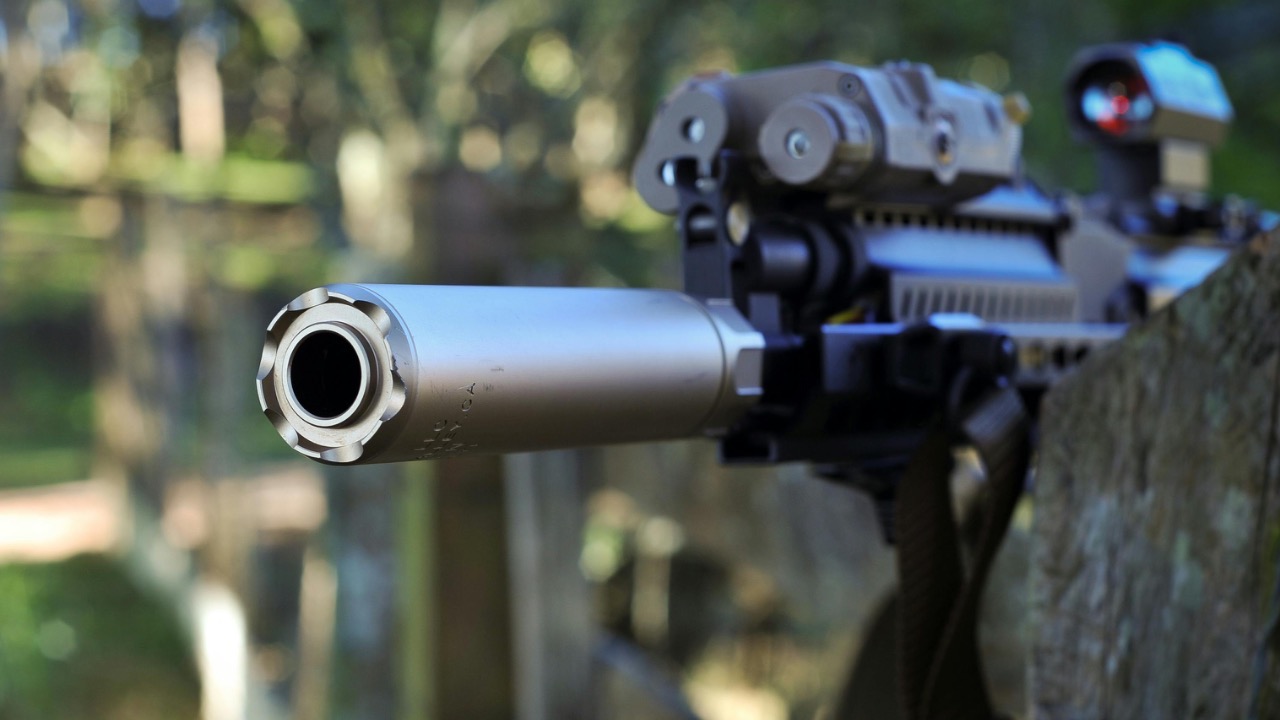
Hunters and competition shooters in particular notice the difference. A shorter barrel paired with a suppressor creates a quieter, more manageable package for extended range sessions or varmint control. The registration requirement keeps the items out of prohibited hands, yet the lower entry barrier lets responsible owners match their gear to the way they actually shoot.
The paperwork and approval steps that remain unchanged
Every transfer or manufacture still routes through the ATF’s National Firearms Act branch. You fill out the form, pay any dealer transfer fee that exists separately, and wait for the green light. eForms have sped things up compared with paper submissions from years past, and the agency has handled the post-January surge without major reported delays beyond normal seasonal peaks. Fingerprints and passport-style photos continue to be mandatory for new applicants.
Trusts and gun trusts remain popular for holding NFA items because they allow multiple people to share legal access without repeated individual applications. The zero-tax environment does not alter those strategies, but it does make them more attractive for families or shooting groups that want shared use of suppressors and SBRs.
State laws continue to set the real boundaries
Federal changes do not override your state’s rules on suppressors or short-barreled rifles. Some states treat them like any other firearm, while others maintain their own bans or permitting systems. Texas, for instance, allows both items with standard federal compliance, so residents here face fewer extra layers than people in more restrictive areas. Always verify your specific state statutes and local ordinances before you order or build.
Dealers in compliant states have seen steady traffic since the first of the year. The removal of the federal tax simply removes one variable from the equation, leaving state compliance as the factor that determines how easy or complicated your purchase turns out to be.
The early surge in applications shows real interest
ATF data released in the first weeks of 2026 confirmed what dealers already noticed at the counter. Thousands of Form 4 and Form 1 submissions arrived on January 1 alone, with numbers climbing through the month as word spread. Suppressors in particular moved quickly, especially models suited for rifles and pistols. The trend mirrors what happened when other regulatory hurdles eased in the past, but the scale this time caught even longtime industry observers by surprise.
That volume has not overwhelmed the system yet, though approval times remain measured in months rather than days. The pattern suggests that many gun owners had already done their research and were simply waiting for the cost barrier to drop before pulling the trigger.
Common questions gun owners ask after the change
People wonder whether they can still build their own suppressor or SBR at home. The answer is yes, through a Form 1, with the same engraving and registration rules. Others ask if machine guns or destructive devices received the same treatment. Those categories kept their $200 tax, so the relief applies only to the more common suppressor and SBR categories. Questions about refunds for stamps paid in late 2025 have come up too, but the law does not provide retroactive relief for prior payments.
The bottom line stays straightforward. The tax is gone, the process is familiar, and the decision to add a suppressor or SBR now rests on your own needs, budget, and willingness to complete the required steps.

Asher was raised in the woods and on the water, and it shows. He’s logged more hours behind a rifle and under a heavy pack than most men twice his age.