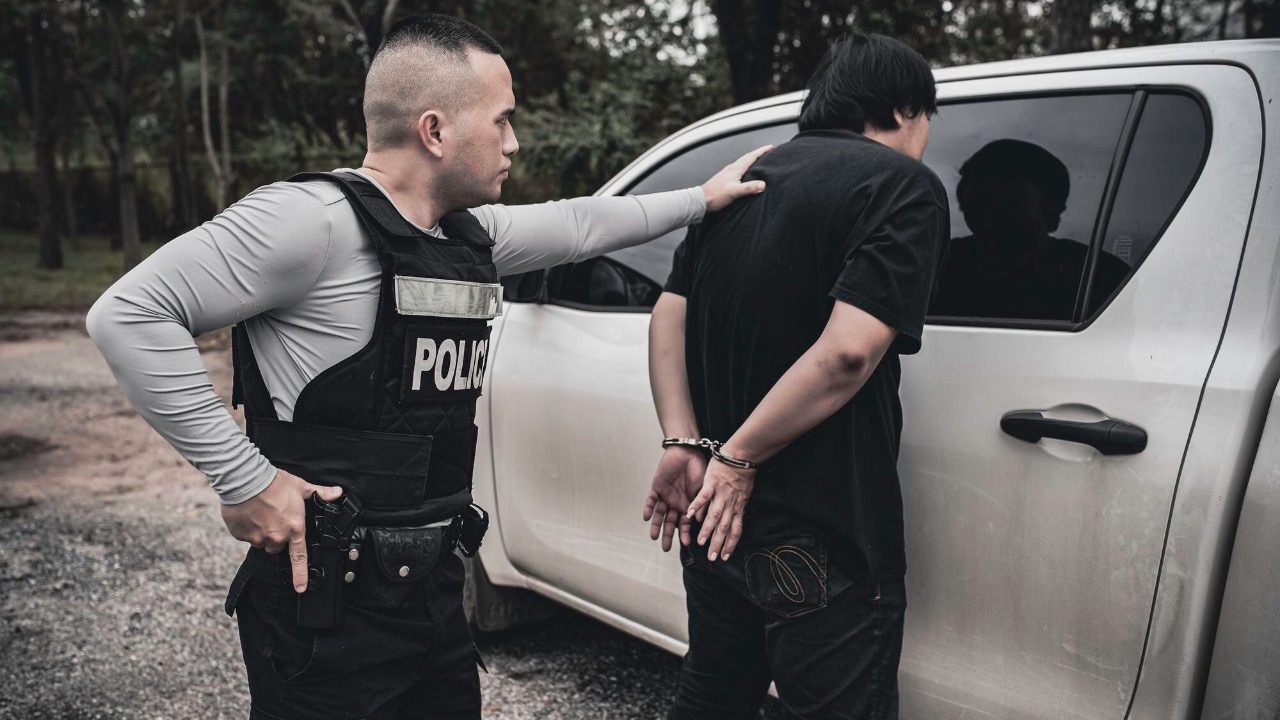
A Parent Let Children Ride in the Truck Bed at a State Campground. A Warden Threatened Police. Is It Illegal?
You’ve probably seen it at a campground or down a dirt road—kids piled into the bed of a pickup, laughing, holding onto the rails while the truck creeps along. For a lot of folks, that feels normal. It’s how they grew up.
But depending on where you are, that same scene can turn into a problem fast. Laws around riding in truck beds aren’t consistent, and when you mix in state park rules or a game warden having a say, things get murky. What feels harmless to you might look like a violation to someone with a badge. Here’s how those lines actually break down.
State Laws Vary More Than Most People Think
You can’t treat this like a one-size rule across the country. Some states allow riding in a truck bed under certain conditions, especially on rural roads or at lower speeds. Others restrict it outright, particularly for minors.
In places like Texas, you can legally ride in a truck bed in limited situations, such as in agricultural contexts or on certain roads, but there are still restrictions tied to age and roadway type. Cross a state line, and the rules may flip completely. That’s where people get tripped up—you assume what’s normal at home carries over somewhere else, and it doesn’t.
Campgrounds Often Have Their Own Rules
Even if state law allows it, a state campground can set additional rules. Those rules are usually tied to safety, liability, and controlling traffic in tight spaces.
When you enter a state park or managed campground, you’re agreeing to follow those regulations whether you realize it or not. That means slow-speed areas, designated roads, and sometimes restrictions on how passengers can ride in vehicles. A warden isn’t always enforcing state traffic law—they may be enforcing park policy, which can be stricter than what you’d find outside the gate.
Game Wardens Have Broad Authority
A game warden’s job isn’t limited to hunting and fishing violations. In many states, they have full law enforcement authority, especially on public lands.
If a warden sees something they believe is unsafe—like kids riding unsecured in a truck bed—they can step in. That might mean a warning, a citation, or escalating it further if they think there’s a real risk. When you’re on state-managed land, their authority carries weight, and ignoring it can turn a small issue into a bigger one fast.
“Low Speed” Doesn’t Always Mean Legal
A lot of people assume that if you’re moving slow inside a campground, you’re in the clear. That’s not always how the law sees it.
Some states tie legality to specific road types rather than speed. Others still consider safety regardless of how fast you’re going. Even at a crawl, an unexpected stop or turn can throw someone out of a truck bed. That’s part of what enforcement looks at. What feels controlled to you may still fall outside what’s allowed on paper.
Liability Is a Big Part of the Equation
If something goes wrong, it doesn’t stop at whether it felt safe in the moment. Liability becomes a real issue, especially when kids are involved.
Land managers and wardens think ahead to worst-case scenarios. An injury in a campground can bring legal trouble not only for the driver but for the agency managing the land. That’s why you’ll see stricter enforcement in those areas. It’s less about stopping harmless fun and more about reducing risk before something happens.
Local Interpretation Can Change the Outcome
Even when laws are clear, how they’re enforced can vary. One officer might give you a warning and send you on your way. Another might treat it as a violation worth citing.
That’s where situations escalate. If a warden threatens to call local police, it usually means they believe you’re outside the rules or not complying. At that point, it’s not about debating the law roadside. It’s about understanding that enforcement discretion is real, and it can swing your day one way or the other.
What Feels Normal Isn’t Always Protected
A lot of traditions in the outdoors exist in a gray area. Riding in the bed of a truck is one of them. It’s common, and in some places, still accepted.
But common doesn’t mean protected. Laws change, enforcement tightens, and public land rules don’t always match rural habits. If you’re bringing that mindset into a regulated campground, you’re stepping into a different set of expectations. Knowing that ahead of time keeps a small moment from turning into something bigger than it needs to be.
At the end of the day, whether it’s illegal depends on where you are and the rules tied to that ground. You might be fine one mile down the road and in violation the next. When you’re dealing with kids, public land, and a warden watching, it pays to know exactly where you stand before you put it in drive.

Asher was raised in the woods and on the water, and it shows. He’s logged more hours behind a rifle and under a heavy pack than most men twice his age.