Subtle Hunting Practices That Can Displace Deer More Quickly Than Many Realize
You don’t always run deer off with a loud mistake. Most of the time, it’s the quiet, repeatable things that push them out. Pressure builds in layers. A boot track here, a wrong wind there, one too many evenings in the same tree—and before long, the deer you were watching on camera are gone or moving after dark.
If you’ve hunted the same ground for a few seasons, you’ve probably seen it happen without fully realizing why. The woods didn’t change overnight. You did. And the deer responded. These are the habits that seem harmless at the time but can shift deer movement faster than most hunters expect.
Checking Cameras Too Often
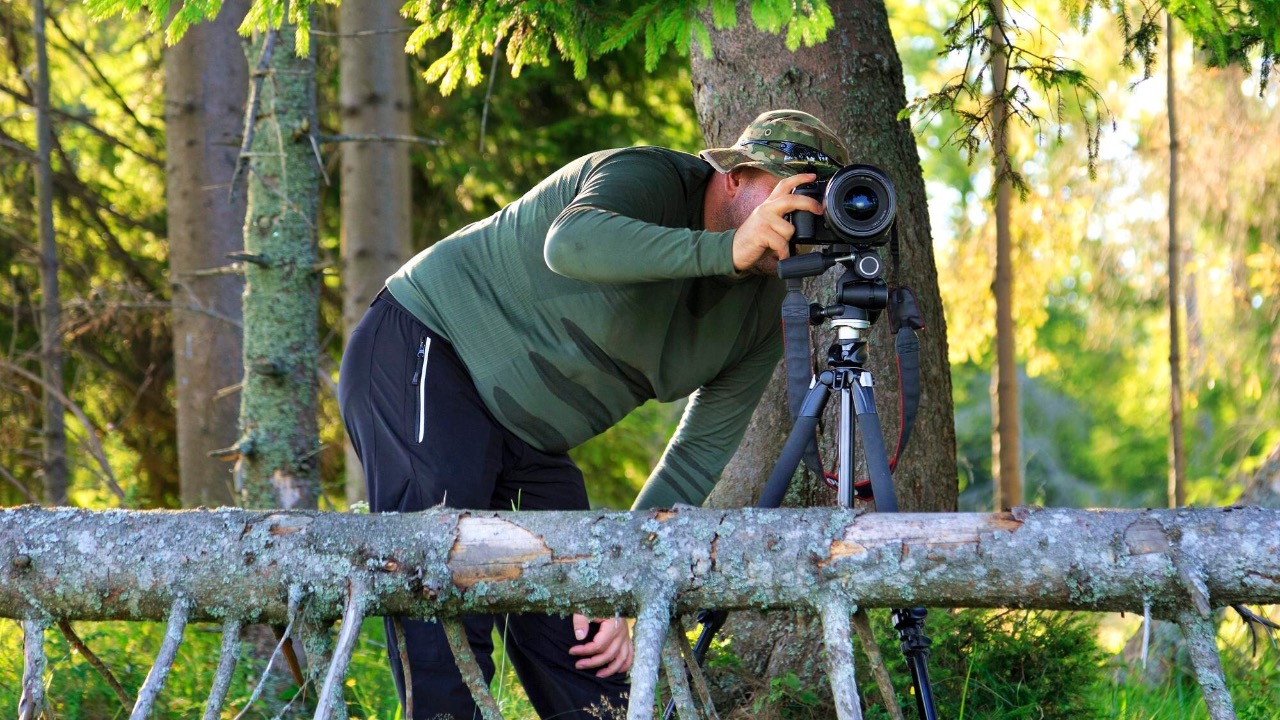
It’s easy to convince yourself you need fresh intel. You slip in to pull cards or check a camera, thinking you’ll be quick and careful.
The problem is repetition. Every visit leaves scent, noise, and disturbance in the same area. Deer pattern that activity faster than you think. What started as daylight movement can turn nocturnal within days. If your cameras are near bedding or primary travel routes, the impact is even worse. You’re educating deer without ever drawing a bow.
Hunting the Same Stand on the Same Wind
You’ve got a good tree, and it’s hard to stay out of it. The wind seems “close enough,” so you go anyway.
Deer live by their nose. A marginal wind doesn’t fool them—it teaches them. When your scent drifts into bedding or staging areas, you might not see a reaction right away. But deer log that information. After a couple of exposures, they start shifting routes or timing. What felt like a safe sit becomes a reason they avoid the area altogether.
Entering and Exiting Through Core Areas
Getting to your stand can do more damage than the hunt itself. If your access cuts through bedding cover or primary feeding routes, you’re leaving a trail of disturbance every time you go in and out.
Even if you don’t bump a deer outright, they know you were there. Ground scent, brushed vegetation, and subtle noise all add up. Deer start adjusting before you ever notice them slipping away. Clean access routes—longer, less convenient ones—often make the difference between consistent sightings and empty woods.
Overusing Calls in Low-Pressure Periods
Calling has its place, especially during the rut. But leaning on it too early or too often can backfire.
Outside peak breeding activity, mature deer are cautious about vocalizations that don’t match what they expect. A grunt or bleat in the wrong context can raise suspicion instead of curiosity. Do it enough times in the same area, and deer start associating those sounds with danger. You’re not calling them in—you’re pushing them off.
Leaving Stands and Gear in Place Too Long
Hanging a stand and leaving it all season feels efficient. Less intrusion, less hassle.
But over time, that setup becomes part of the environment—and not in a good way. Human scent builds up. Straps wear into bark. Trails leading in get more defined. Deer notice changes like that, especially older bucks. What started as a low-impact setup turns into a flagged location they learn to skirt, particularly in daylight.
Ignoring Thermals in Hill Country
You might be playing the wind correctly on paper, but thermals can flip the script. In the morning, air rises. In the evening, it falls.
If you’re not accounting for that, your scent is drifting into places you didn’t intend. Bedding areas below you in the evening or above you in the morning can get contaminated without you realizing it. Deer don’t need to see or hear you—they only need one whiff. After that, they start shifting away from those patterns.
Pushing Too Close to Bedding Areas
You know where they bed, and it’s tempting to get tight. Closer should mean better odds.
But bedding areas are the last place deer tolerate pressure. Even a single intrusion can push them to relocate, especially mature bucks. They don’t hang around to figure things out. Once they feel exposed, they move to thicker, less accessible cover—often on neighboring ground. You might gain a short-term chance, but you risk losing that deer for the rest of the season.
Making Midday “Quick Checks” in Prime Spots
It feels harmless to slip in at noon. Deer are bedded, and you think you’re invisible.
In reality, midday intrusion still leaves scent and disturbance where it matters most. Bedding areas aren’t dead zones—they’re where deer feel secure. When you walk through them, even quietly, you chip away at that security. Do it enough, and they’ll abandon those beds or shift to areas you can’t hunt effectively.
Letting Small Noises Add Up
You’re careful about big sounds, but it’s the little ones that stack. A clink of metal, brushing against bark, the rhythm of steady footsteps.
Deer are tuned to patterns. Repeated, unnatural noise in the same place gets noticed. You might not blow them out in a panic, but you’re putting them on edge. Over time, they adjust by moving earlier, later, or somewhere else entirely. Silence isn’t about one perfect moment—it’s about consistency.
Dragging Scent Across Travel Routes
You play the wind on stand, but what about the path you took to get there? Crossing trails, food sources, or funnels on your way in leaves a line of human scent deer will encounter later.
That’s often where the damage shows up. A buck hits your track hours after you’re settled and turns inside out. You never see him, but your hunt is over before it started. Thoughtful entry that avoids key movement corridors keeps you from tipping your hand before the sit even begins.
You don’t need a major mistake to move deer out. It’s the steady pressure—the habits you repeat—that changes how they use the ground. Pay attention to those details, and you’ll notice something else too: deer don’t disappear as quickly when you hunt with a lighter touch.

Asher was raised in the woods and on the water, and it shows. He’s logged more hours behind a rifle and under a heavy pack than most men twice his age.