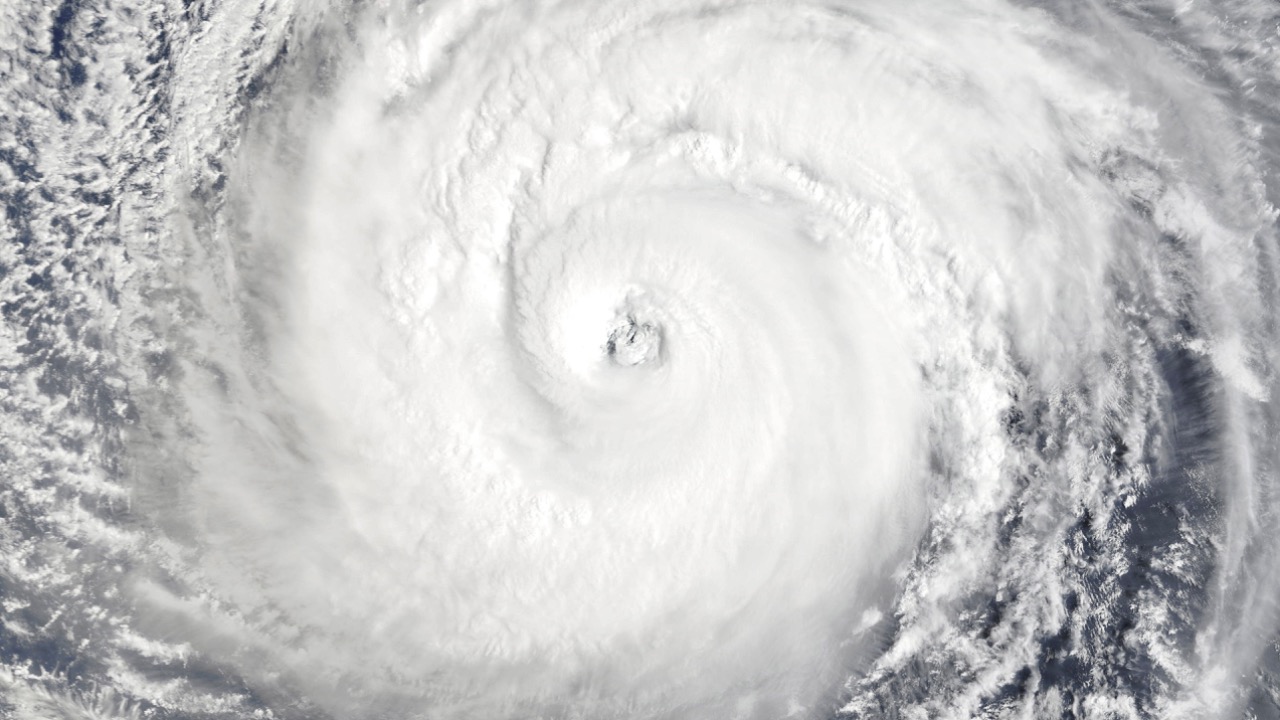
Super Typhoon Sinlaku, the Strongest Storm of 2026 So Far, Approaches U.S. Territory in the Pacific
Super Typhoon Sinlaku has made its mark as the strongest storm seen so far in 2026. You have likely caught the updates showing this system forming fast in the western Pacific waters and building to Category 5 strength before reaching U.S. territory. It targeted the Northern Mariana Islands and brushed Guam with heavy rains and fierce winds. The event unfolded over several days in mid-April, leaving communities to deal with widespread disruption while officials began sorting through the aftermath.
How Sinlaku Built Such Extreme Strength Early On
The typhoon underwent rapid intensification over warm ocean waters southeast of Guam. It gained 75 miles per hour in sustained winds during a single 24-hour period around April 12. Forecasters noted sea surface temperatures between 82 and 84 degrees Fahrenheit helped fuel the growth along with low wind shear in the area.
Satellite data captured the storm reaching peak intensity with winds estimated at 185 miles per hour. This made it one of the most powerful systems recorded for that time of year in the northwest Pacific. Meteorologists tracked its central pressure dropping sharply as the eye tightened and the structure organized. Such development caught attention because few storms achieve this level so soon after the season starts.
Following the Storm’s Track to the Islands
Sinlaku moved northwest from its formation zone and slowed as it neared the Marianas chain. The system passed close enough to deliver direct impacts on Tinian and Saipan by Tuesday night local time. Its forward speed dropped to a crawl near the islands, allowing the eyewall to linger overhead for hours.
Forecast models showed the typhoon curving northward afterward while gradually weakening. By Thursday it had shifted about 170 miles northwest of Saipan with winds down to 60 or 70 miles per hour. The path kept the heaviest effects focused on U.S. commonwealth land rather than veering toward more populated Asian coastlines.
Conditions Residents Faced During the Approach
Warnings went out days ahead as the typhoon strengthened and closed in. People in the Northern Mariana Islands stocked up on supplies and secured what they could around their homes. Many followed instructions to stay indoors once tropical storm force winds arrived and conditions worsened.
On Guam the outer bands brought steady rain and gusts that reached 70 to 80 miles per hour overnight. Flash flooding developed in low-lying spots even before the core arrived farther north. Residents there monitored updates closely while shelters opened for those needing safer ground away from exposed areas.
The Force of the Typhoon at Saipan and Tinian
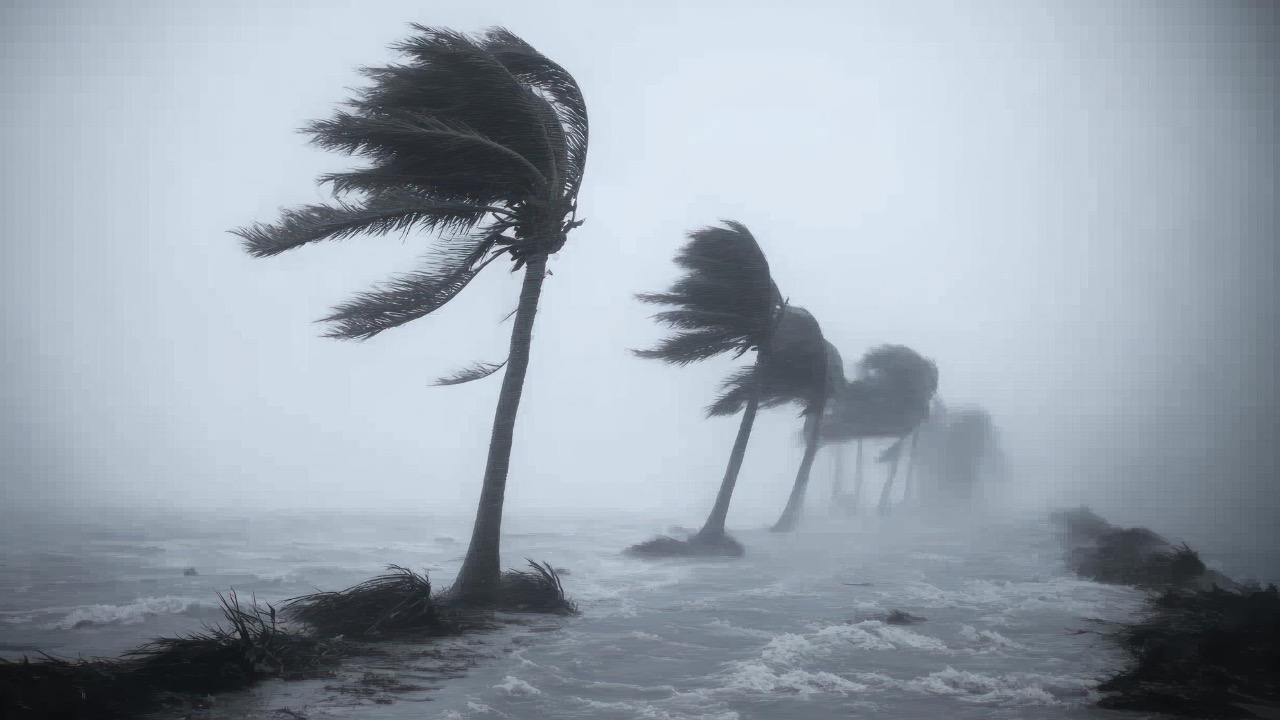
The eyewall crossed Saipan and Tinian with sustained winds near 150 miles per hour at landfall. Gusts pushed higher and lasted through much of Wednesday as the storm moved slowly. Trees came down across roads while utility poles snapped and roofs peeled away from houses and commercial buildings.
Debris flew through the air and vehicles flipped in parking lots. Flooding reached inside concrete structures on both islands and overwhelmed the only hospital on Saipan. Power and water service failed across the affected areas with some outages expected to stretch for weeks while repair crews waited for safe conditions.
Guam Feeling the Storm’s Broader Reach
Tropical force winds and torrential rain extended south to Guam even though the center stayed farther north. Gusts topped 88 miles per hour in spots and heavy downpours triggered flash flooding around the island. More than 1,000 people moved into shelters coordinated by the American Red Cross and local partners.
Military installations on Guam experienced the outer effects but reported no major structural damage in initial checks. The storm’s slow movement prolonged the wind and rain there through Wednesday afternoon. Officials kept schools closed and urged everyone to remain indoors until the system pulled away completely.
Why Sinlaku Stands Out Among Early Season Storms
Records show this system ranks as the second Category 5 tropical cyclone worldwide in 2026. It also counts among the strongest typhoons ever observed in January through April based on Joint Typhoon Warning Center data. Only one other early season storm from decades ago reached comparable peak winds.
The combination of ocean heat content and minimal shear allowed the rapid upgrade that surprised many observers. Historical comparisons highlight how unusual it remains for such intensity to develop this far ahead of the typical peak months. The event added to discussions about patterns in the northwest Pacific basin.
Steps Taken to Protect People and Property
Local emergency offices issued shelter in place orders once the strongest winds arrived and roads became hazardous. Officials coordinated with federal agencies to pre-position supplies before the core hit. The president approved disaster declarations for both Guam and the Northern Mariana Islands to speed up assistance.
FEMA teams prepared to deploy additional staff and resources once conditions allowed movement. Mayors on Saipan began preliminary damage checks in their communities while power restoration plans took shape. Residents who could sheltered in place or moved to designated safe locations ahead of the worst overnight period.
Recovery Challenges Emerging After the Passage
Authorities started damage assessments once the typhoon moved far enough north to reduce immediate threats. Shelter in place orders remained in effect on the hardest hit islands while first responders evaluated blocked roads and downed lines. Many homes and businesses showed torn roofing and water intrusion that will require extensive repairs.
Long term power restoration emerged as a primary concern with poles and lines scattered across Saipan and Tinian. Water systems also faced outages that could last weeks in some neighborhoods. Federal support began ramping up to help the roughly 50,000 people across the directly affected islands get back on their feet.

Asher was raised in the woods and on the water, and it shows. He’s logged more hours behind a rifle and under a heavy pack than most men twice his age.