U.S. Sailors Turn Back Tanker Attempting to Breach Strait of Hormuz Blockade, Warning ‘Prepare to Be Boarded’
Tensions have spiked in one of the planet’s busiest shipping lanes. The Strait of Hormuz carries roughly a fifth of global oil supplies under normal conditions. U.S. naval forces recently moved to enforce a blockade on traffic to and from Iranian ports after peace talks collapsed. Sailors aboard destroyers and other warships began hailing vessels that tried to push through, issuing direct orders to turn back. You see the pattern in reports from the region: multiple tankers, some flying Iranian flags, altered course without further escalation. So far no boardings have taken place, but the message from American crews has been unmistakable. This marks a sharp step in efforts to squeeze Iran’s sea-based trade, which officials say accounts for the vast majority of its economy. The operation relies on ships positioned outside the strait itself to avoid hazards like mines.
The Encounter Between Sailors and the Tanker
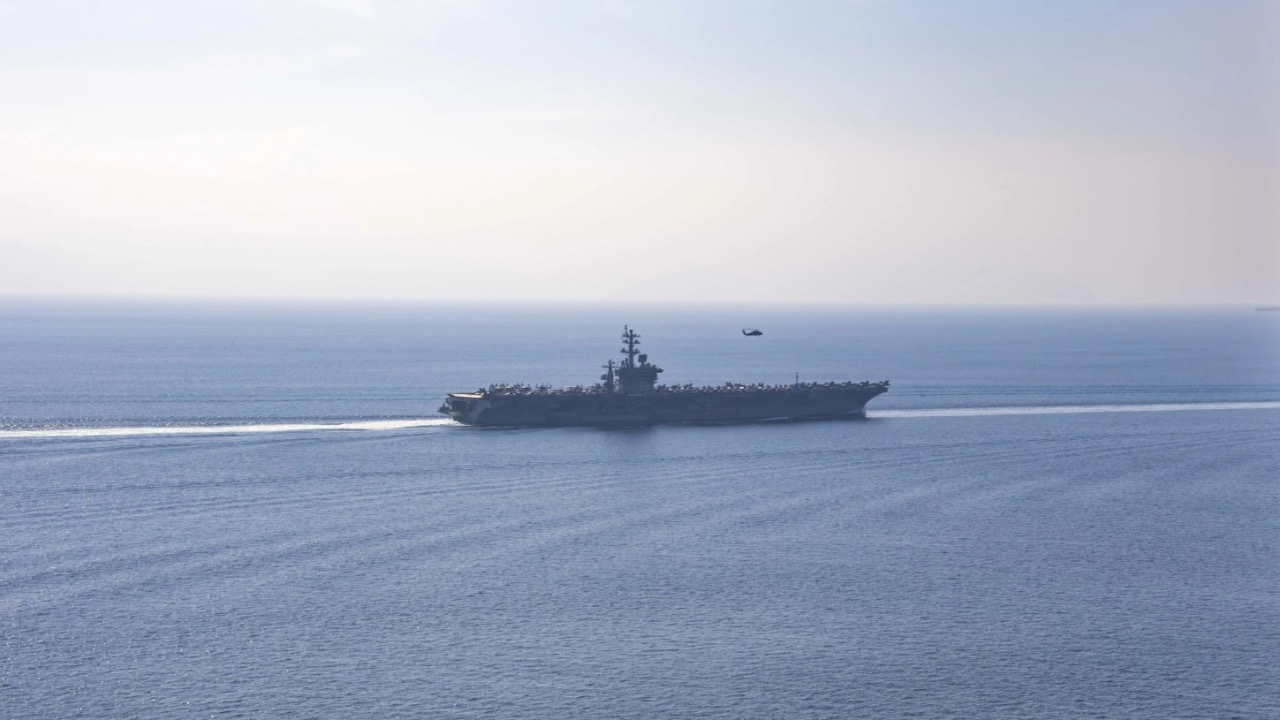
A guided-missile destroyer picked up the tanker on radar as it cleared Iranian coastal waters. Crew members monitored its path closely while preparing the standard radio call. Once in range they transmitted the instructions without delay. The tanker slowed and began its turn within minutes.
Observers noted the lack of resistance from the vessel’s crew. Tracking data later confirmed the ship headed back toward its departure point. Similar scenes played out with other merchant ships in the same window. U.S. Central Command described the early results as ships choosing compliance over confrontation.
This approach keeps the focus on deterrence rather than direct engagement for now. Crews on the American side logged the exchange as routine enforcement of the declared boundaries. The incident fits the pattern seen in the opening phase of the operation.
Details of the Warning Broadcast to Ships
Radio traffic captured the precise language used by the naval team. Officers identified the vessel and reminded it of the blockade rules in clear terms. They directed the ship to reverse course and warned of boarding if it continued forward. The message ended with a statement about readiness to apply force if needed.
CENTCOM later released audio of the exchange for transparency. Listeners heard the measured tone from the bridge watch officer. The warning applied specifically to traffic linked to Iranian ports or coastal areas. Ships bound elsewhere received no such instructions.
You can hear the emphasis on legal authority and measured response in the recording. No raised voices or threats beyond the stated policy appeared. The exchange lasted only a few minutes before the tanker acknowledged and complied.
Reasons the Blockade Targets Iranian Ports
The policy took shape after ceasefire talks in Pakistan reached an impasse. Officials aimed to cut off revenue streams that flow through sea trade. Iran relies heavily on oil exports to fund its government and military activities. By restricting access to and from its ports, the United States seeks to limit those funds without closing the strait to everyone else.
The blockade applies only to vessels that loaded or unloaded at Iranian facilities after the deadline. Traffic between other nations passes without interference. This targeted design leaves room for global commerce while focusing pressure on one party. Planners drew on long-standing maritime law to frame the action.
You notice how the strategy balances enforcement with avoidance of broader disruption. Energy markets around the world watch closely because any wider closure could drive prices higher almost overnight.
Positioning of American Naval Assets
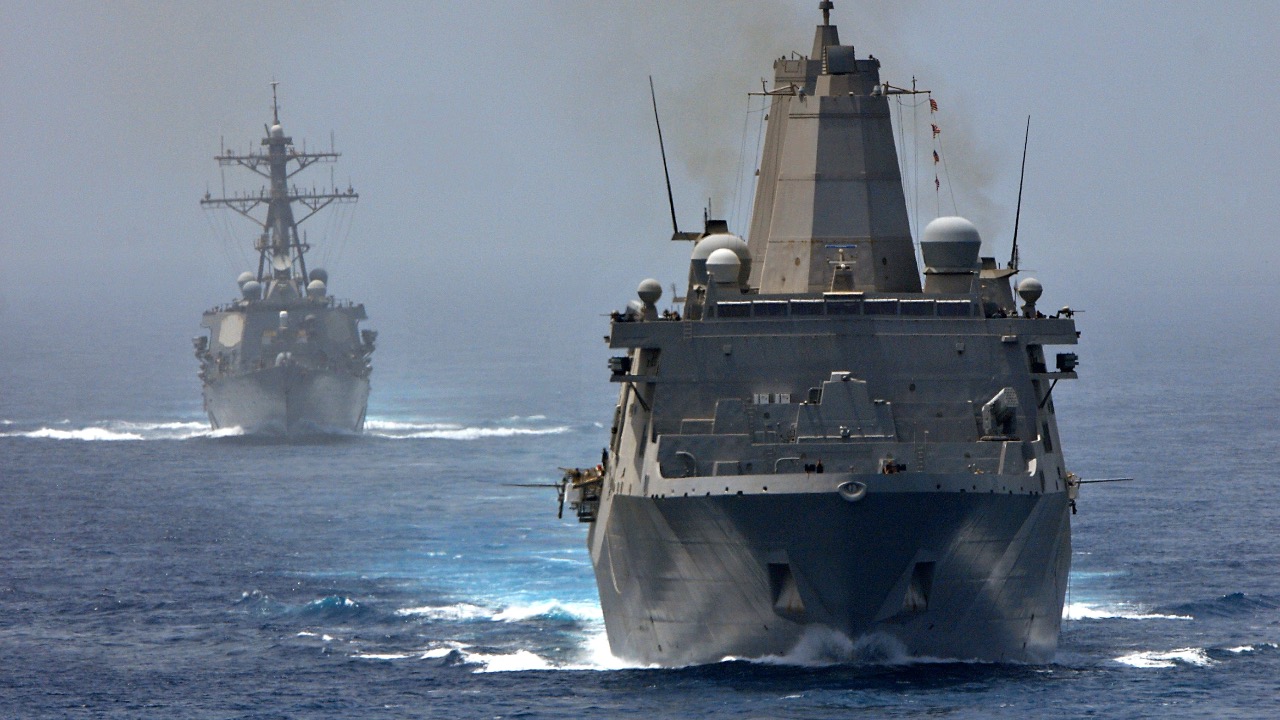
More than two dozen warships spread out across the Gulf of Oman and the Arabian Sea. Commanders placed them in a loose screen rather than inside the narrow strait. The setup acts like a net that catches vessels after they exit Iranian waters. Fighter jets and drones provide additional eyes from above.
This distance reduces exposure to coastal defenses and potential mines. Support ships carry thousands of personnel ready for sustained presence. Destroyers like the one that hailed the tanker handle the direct radio contacts. Larger units stand by farther back for coordination.
The arrangement gives commanders flexibility to respond without crowding the shipping lane itself. You see the careful calibration in how forces stay just far enough to monitor yet close enough to act when required.
Effects on Regional Oil Transportation
Early days of the blockade saw several tankers reverse course rather than test the rules. Oil shipments tied to Iran slowed dramatically as a result. Traders adjusted routes and schedules to steer clear of the affected zones. Global prices reacted with modest upward pressure as uncertainty grew.
Non-Iranian carriers continued their normal passages through the strait without interruption. The distinction matters for companies that depend on steady supply lines. Ports in neighboring countries reported normal activity for their own traffic.
You track the ripple effects through freight rates and insurance costs in the region. Energy analysts note that the volume involved represents a significant share of daily world supply under ordinary conditions.
International Reactions to the Developments
China described the move as risky and likely to raise tensions further. Other governments expressed concern about possible supply disruptions in the energy market. Iran condemned the action and vowed to protect its maritime rights. Regional allies monitored the situation while avoiding direct involvement for now.
Diplomatic channels remained open even as the naval operation continued. Some nations quietly supported the goal of limiting Iran’s revenue while cautioning against escalation. Shipping companies issued new guidance to their fleets to avoid Iranian ports entirely.
The mix of statements reflects the high stakes for everyone who relies on the waterway. You see governments balancing their own energy needs against calls for restraint.
Challenges in Maintaining the Operation
Sustaining a presence this far from home bases requires constant logistics and rotation of crews. Commanders must watch for fatigue while keeping forces alert around the clock. Weather in the gulf can change quickly and complicate maneuvers. Mines and small-boat threats add another layer of caution.
Political pressure mounts at home and abroad as the days stretch on. Lawmakers ask how long the effort can continue without clearer results. Allies seek updates on the timeline for any potential easing. The operation demands steady communication to prevent misunderstandings at sea.
These practical hurdles test the limits of naval endurance. You recognize that patience and precision matter more than dramatic action in this phase.
Future Outlook for Stability in the Area
Planners expect the blockade to remain in place until Iran shows movement toward renewed talks. Naval leaders emphasize that compliance so far has kept the situation contained. Future encounters will depend on how ships respond to the standing warnings. Diplomatic progress could shorten the timeline significantly.
Energy markets will keep a close eye on any signs of relaxation. Shipping firms continue to reroute around potential trouble spots. The strait itself stays open for most traffic, which limits immediate global fallout. Still, the risk of miscalculation lingers if either side raises the stakes.
You follow these developments knowing that small decisions at sea can influence larger negotiations ahead. The coming weeks will show whether the pressure leads to dialogue or deeper standoff.

Asher was raised in the woods and on the water, and it shows. He’s logged more hours behind a rifle and under a heavy pack than most men twice his age.