Trump Administration’s Proposed USDA Budget Cuts Raise Concerns for Ranchers, Farmers and Rural Economies
The Trump administration released its fiscal year 2027 budget proposal earlier this month, calling for $20.8 billion in discretionary spending at the Department of Agriculture. That represents a $4.9 billion drop, or about 19 percent, from the prior year. If you work the land or live in a place where farming and ranching keep the local economy afloat, the numbers carry weight. They reflect a deliberate effort to shrink certain programs while redirecting focus toward what the administration calls core priorities. Critics, including farm advocacy groups, warn that the reductions come at a difficult moment, with many operations already squeezed by high costs and volatile markets. The proposal has sparked fresh debate about the federal role in supporting the people who produce the nation’s food and fiber.
The Scale of the Cuts to USDA Programs
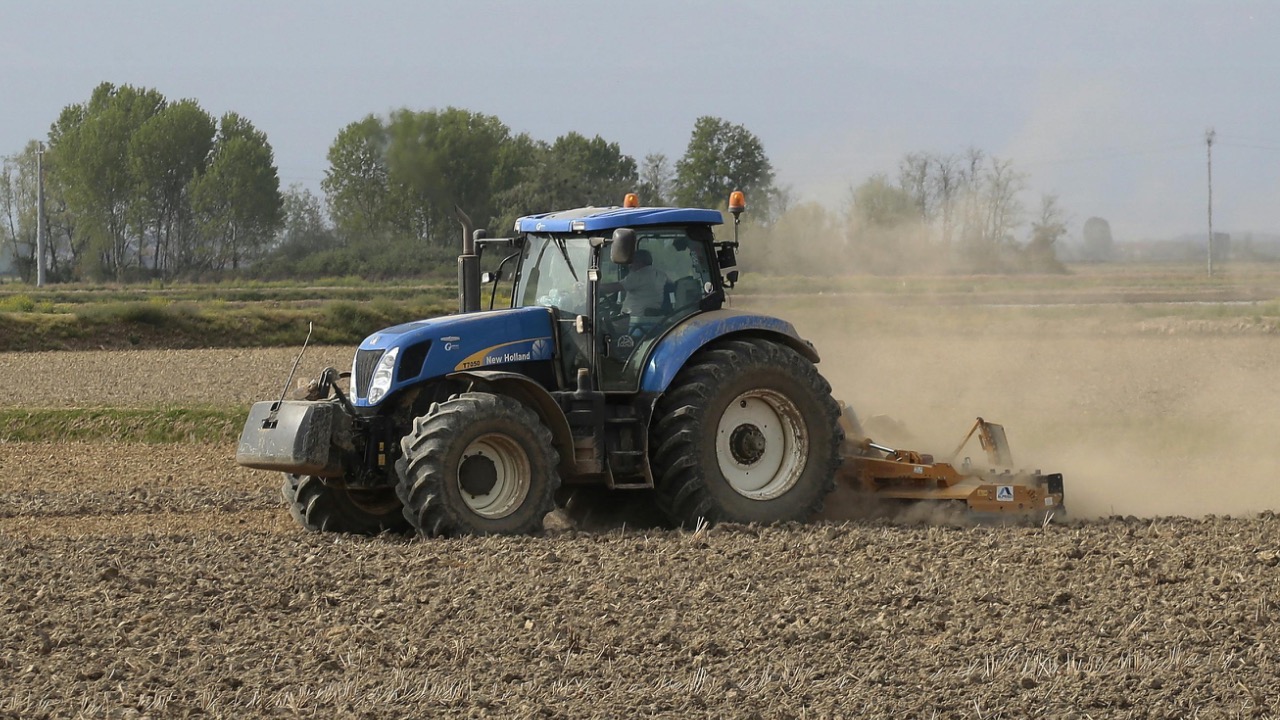
The budget trims discretionary funding across the department by nearly one fifth. Officials argue the agency has grown too large in Washington, with layers of management and initiatives that no longer align with direct support for producers. They point to the need to eliminate what they view as extraneous efforts and concentrate on practical help for farms and ranches.
This shift aims to free up resources for reorganization that moves staff closer to the field. At the same time, organizations that represent agriculture note the proposal arrives when many operations face rising input prices and tighter credit. You might see fewer services available through local USDA offices if staffing and program dollars shrink. The debate centers on whether these savings strengthen the system or leave gaps that producers and their communities will have to fill on their own.
Effects on Rural Community Facilities
One of the largest single reductions targets community facilities grants, cutting $659 million. These dollars have long helped small towns finance fire stations, clinics, and other essential buildings through low-cost loans and guarantees. Many rural counties rely on them to maintain basic infrastructure that keeps daily life running.
Without that support, local leaders could face harder choices about repairs or new construction. If your town depends on these projects for emergency services or health care, the change could slow progress on upgrades. The administration maintains that other federal tools remain available, yet advocates counter that rural areas already lag in access to such funding. The result may be slower development in places where agriculture forms the economic backbone.
Reductions in Research Funding for Agriculture
The proposal slashes formula grants to land-grant universities by $510 million through the National Institute of Food and Agriculture. These funds have supported studies on crop improvement, livestock health, and regional challenges. The budget shifts emphasis toward competitive awards, aiming to prioritize projects the administration sees as more directly useful to producers.
You could notice slower progress on practical tools that help manage pests, conserve soil, or adapt to weather shifts. Universities and extension services have used the grants to deliver research tailored to local conditions. Farm groups express concern that the cut diminishes the pipeline of new knowledge at a time when innovation matters more than ever. The change raises questions about how quickly producers will gain access to updated practices that affect yields and costs on the ground.
Shifts Away from Rural Business Development Grants
Rural business service programs face an $82 million reduction, with some grants eliminated entirely. The funds have backed small enterprises tied to agriculture, from processing facilities to local suppliers. The administration views many of these efforts as duplicative of work already handled by the Small Business Administration.
Producers who rely on nearby processors or input suppliers might feel the pinch if fewer projects move forward. Rural economies often hinge on these connected businesses to keep dollars circulating locally. Critics argue the cuts overlook unique needs that larger programs miss, especially in remote areas. The proposal assumes market forces will fill the void, yet many operators worry that essential services could become scarcer without targeted support.
Changes to Conservation Assistance Programs
Several conservation initiatives lose dedicated discretionary funding under the plan. Technical assistance that helps producers plan soil health practices, water management, and habitat protection would see sharp reductions. The budget eliminates support for certain farmer-led research and education efforts aimed at building long-term resilience.
If your operation uses these programs to address erosion or improve grazing land, options could narrow. Advocates highlight that such assistance has helped farms stay productive while meeting environmental goals. The administration believes other mechanisms can handle core conservation work, but groups tracking rural land use say the timing weakens tools needed amid ongoing weather and market pressures. Producers may need to seek alternatives that come with higher out-of-pocket costs.
Cuts to International Food Aid Initiatives
The proposal reduces or eliminates programs like the McGovern-Dole Food for Education effort, trimming hundreds of millions in foreign food assistance. These initiatives have purchased American commodities for school feeding overseas while supporting U.S. producers. Funding for related aid through other channels also drops.
Farmers and ranchers who benefit from steady export demand tied to these programs could see indirect effects on prices. Rural communities tied to grain handling or livestock marketing feel the ripple when overseas purchases decline. The budget argues that some aid has proven inefficient, with high shipping costs and limited local impact. Still, supporters point out that the programs have provided reliable outlets for surplus production and strengthened diplomatic ties that matter to American agriculture.
The Push for USDA Reorganization
The budget sets aside $50 million to advance a plan that relocates headquarters staff to regional hubs around the country. Officials say the move will cut bureaucratic layers and place employees nearer to the producers they serve. It includes vacating large Washington facilities and streamlining operations.
You might experience faster responses from local offices if the changes deliver on that promise. Yet the transition period could create temporary disruptions in program delivery. Farm organizations have raised questions about whether reduced central staffing will limit expertise on complex issues like crop insurance or disaster aid. The administration frames the effort as a way to make the department more responsive; the outcome will depend on how smoothly the shifts take hold in practice.
Growing Worries Among Producers and Rural Leaders
Agriculture advocates describe the overall proposal as a significant step back for farm support at a vulnerable time. With bankruptcy filings up in several sectors, they argue the cuts compound existing pressures on credit, research, and infrastructure. Groups tracking rural economies warn that reduced services could accelerate consolidation or outmigration from farm-dependent areas.
If you manage a ranch or grow crops in a region already stretched thin, these concerns hit close. Local leaders in small towns echo the unease, noting that community facilities and business grants have helped sustain populations. The administration maintains that refocusing spending will strengthen core agricultural policy. Producers and their representatives continue to watch closely, pushing for Congress to adjust the final numbers before they take effect.
Broader Ramifications for Farm Viability and Rural Economies
Taken together, the proposed reductions could reshape the support network that many operations count on. From research that improves efficiency to infrastructure that keeps towns viable, the changes touch multiple layers of daily work in agriculture. Rural economies often operate with thin margins, and federal programs have provided stability during downturns.
You may find yourself evaluating how to adapt if services contract. Some producers already explore private options or state-level aid, yet those alternatives vary widely by location. The budget debate now moves to Congress, where lawmakers from farm states will weigh the trade-offs. The coming months will show whether the proposal leads to leaner, more targeted support or creates gaps that challenge the long-term health of ranches, farms, and the communities built around them.

Asher was raised in the woods and on the water, and it shows. He’s logged more hours behind a rifle and under a heavy pack than most men twice his age.