San Joaquin River Named No. 2 on America’s Most Endangered Rivers List Because of Proposed Massive Gravel Mine
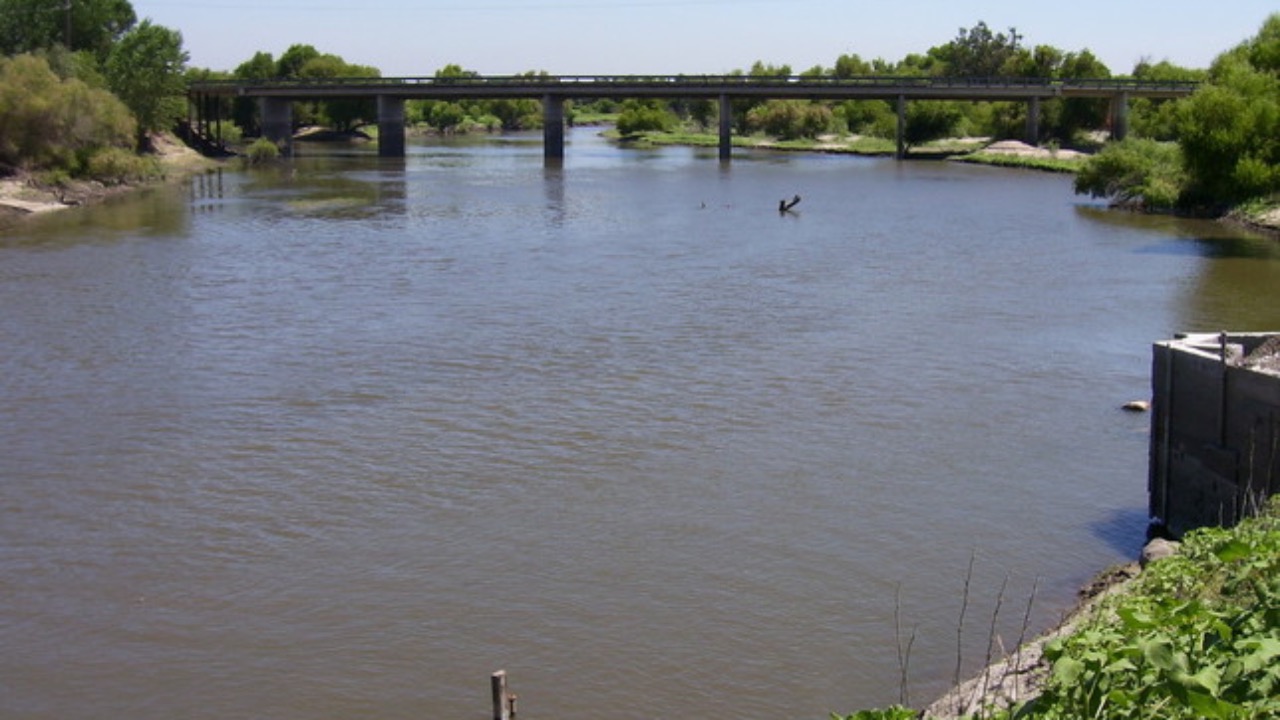
You don’t need to spend long around California water issues to know how complicated they get. The San Joaquin Riverhas been in the middle of that fight for decades—flows, fish, farms, and cities all pulling in different directions. Now it’s back in the spotlight after being ranked No. 2 on American Rivers’ list of the nation’s most endangered rivers.
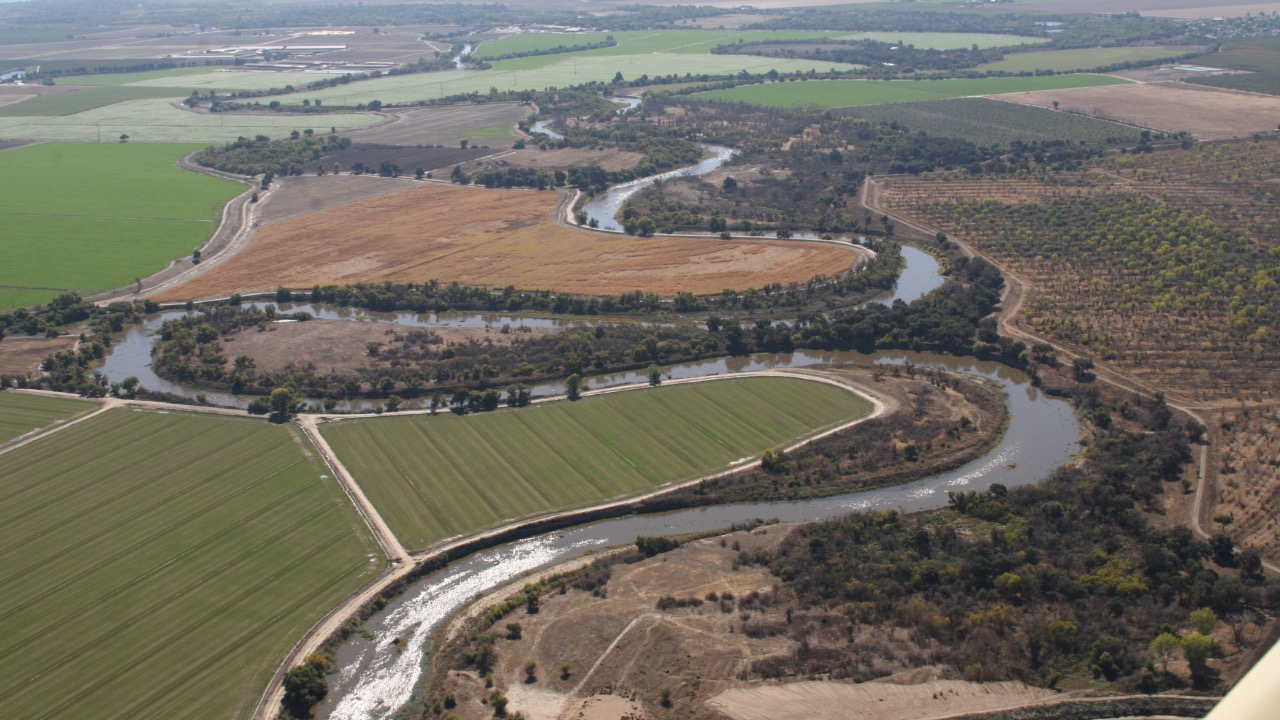
This time, the concern centers on a proposed large-scale gravel mine along the river. On paper, it’s an industrial project. On the ground, it’s a direct hit to habitat, water quality, and access. Here’s what you need to know about why this one is getting so much attention.
Why the River Landed on the Endangered List
When a river climbs that high on the list, it’s not about one small issue. It means there’s a clear, immediate threat with long-term consequences if it moves forward.
In this case, the ranking is tied directly to the proposed mine and what it could do to the river system. Groups tracking the project point to risks that go beyond a single stretch of water. You’re looking at potential impacts to fish runs, groundwater, and downstream users. That combination is what pushed the San Joaquin into the national spotlight again.
The Scale of the Proposed Gravel Mine Raises Concerns
Gravel mining isn’t new, but scale matters. The proposal tied to this listing involves a large operation near the river corridor, not a small extraction site tucked out of the way.
That kind of footprint brings heavy equipment, constant hauling, and long-term disturbance. You’re not talking about a short project—it could run for years. The bigger the operation, the harder it is to avoid affecting nearby waterways. That’s where the concern starts to build, especially in a river system that’s already under pressure.
Sediment and Water Quality Are Front and Center
One of the biggest worries tied to gravel mining is sediment. When you disturb large volumes of earth near a river, fine material can end up in the water.
That affects clarity, temperature, and oxygen levels. Fish don’t handle that well, especially species already struggling in the San Joaquin system. Spawning beds can get buried, and feeding patterns change. You might not see it all at once, but over time, those changes stack up. For a river that’s already been through restoration efforts, that’s a step in the wrong direction.
Salmon and Native Fish Could Take Another Hit
The San Joaquin River has been part of long-running efforts to bring back native fish, including salmon runs that once defined the system.
Those fish depend on stable flows and clean gravel beds to reproduce. A large mining operation nearby puts both at risk. Increased sediment and altered water movement can disrupt spawning conditions. You’re looking at a situation where years of restoration work could be undermined if habitat quality drops again. It’s not a theoretical concern—it’s something fisheries managers have dealt with before in similar conditions.
Groundwater Impacts Are Harder to See but Just as Real
Surface water gets most of the attention, but groundwater is tied closely to what happens along the river. Digging deep pits for gravel extraction can intersect with groundwater levels.
That can change how water moves underground and how it connects to the river itself. In agricultural regions like the San Joaquin Valley, that matters. Wells, irrigation, and seasonal flows are all part of the same system. You might not see those impacts right away, but once groundwater patterns shift, they’re difficult to reverse.
Local Communities Are Caught in the Middle
Projects like this don’t land in empty space. They show up near towns, farms, and working landscapes where people already depend on the river.
Some see economic upside—jobs, materials, local revenue. Others see long-term costs tied to water, land use, and quality of life. Truck traffic, dust, and noise become part of daily life if the project moves forward. It’s a familiar split in rural areas: short-term gain weighed against long-term change. Once the operation is in place, there’s no easy way to roll it back.
Access and Recreation Could Be Affected
You might not think of a gravel mine as an access issue at first, but it can become one quickly. Industrial activity tends to limit public use, especially near active sites.
That can mean fewer entry points, restricted stretches, and changes to how you move along the river. Fishing, hunting, and general recreation all take a hit when access tightens. Even if land remains technically open, the experience changes when heavy equipment and active operations are part of the landscape.
This Fight Fits a Larger Pattern in the West
If you’ve followed land and water issues out West, this situation probably sounds familiar. Competing uses—resource extraction, conservation, agriculture—keep running into each other.
The San Joaquin River is another example of that pressure building in one place. It’s not the first time the river has faced challenges, and it won’t be the last. What makes this one stand out is the timing. After years of effort to stabilize parts of the system, a large new disturbance raises questions about how much ground could be lost.
You’re looking at a river that’s been pushed and pulled for generations. The proposed mine is one more test of how much it can take—and whether the balance between use and protection holds up this time.

Asher was raised in the woods and on the water, and it shows. He’s logged more hours behind a rifle and under a heavy pack than most men twice his age.