Federal Grand Jury Indicts 52 Gang Members on Drug and Firearms Charges
Federal authorities in Puerto Rico delivered a significant blow to one organized crime network last month. A federal grand jury returned an indictment on March 17 charging 52 people linked to a group known as La Familia Nunca Muere. The accusations center on years of drug distribution and illegal gun activity in and around San Juan, Morovis, and Cataño. Investigators say the operation stretched from 2018 right up to the present, pulling in multiple layers of suppliers, sellers, and enforcers. This kind of case shows how federal and local teams keep pressure on networks that move serious amounts of narcotics while arming themselves.
The Group Facing These Federal Charges
Members of this organization went by several names, including Los Incorregibles and La Colectora. They allegedly built their business around selling cocaine, marijuana, heroin, and fentanyl in wholesale batches and smaller street amounts. Leaders coordinated from inside prison walls through smuggled cell phones and video calls. Street crews handled the day to day sales while others stood watch or moved product.
Everyone involved supposedly shared in the profits from these deals. The network reached into several neighborhoods and public housing sites. Communication ran through two way radios, regular phones, messaging apps, and social media posts that sometimes showed off guns, cash, and gang symbols. The structure kept the money flowing even when some members sat in custody.
Areas Hit Hardest by the Activity
The alleged sales points sat inside or right next to public housing developments in three main municipalities. Places like Los Lirios in San Juan and several spots in Cataño saw regular traffic from the group. Similar patterns played out in Morovis and other housing complexes nearby.
Residents in those zones dealt with the daily presence of lookouts, runners, and sellers. The operation stayed close to these concentrated living areas to move product quickly to local buyers. Investigators mapped the activity block by block over the years. The proximity meant the trade touched everyday routines for families living there.
Drug Charges That Span Multiple Counts
The indictment accuses the 52 people of conspiracy to possess drugs with intent to sell them. It also lists straight possession and distribution offenses for the same substances. Prosecutors tie the activity to specific housing project zones and the areas immediately around them.
All defendants face an additional forfeiture demand for more than twelve million dollars in alleged drug proceeds. The charges cover a long stretch of time, showing a sustained effort rather than one off deals. Each count carries heavy mandatory prison time if a jury convicts, starting at ten years and reaching up to life depending on the full set of convictions.
Firearms Violations Included in the Case
Forty of the defendants face a separate count for carrying guns to support the drug trade. Twenty one of those same people also stand accused of using machine guns in connection with the narcotics activity. Federal law treats these enhancements seriously because they add mandatory extra years on top of any drug sentence.
The guns supposedly gave the group an edge in protecting territory and enforcing deals. Investigators linked the weapons directly to the distribution points and the people moving product. These charges highlight how the operation relied on armed presence to keep control of its turf and customers.
Years of Work Behind the Indictment
Agents started piecing the case together in 2018 and kept building evidence right through this year. They tracked communications, watched sales patterns, and documented the movement of people and product. The probe included looking into how the group responded to any challenge with force.
Cooperation between federal agencies and local police allowed them to connect dots across different neighborhoods. Every layer of the organization came under scrutiny, from top decision makers down to the people on the corners. The grand jury reviewed the accumulated material before handing down the charges.
Agencies That Joined Forces on This Effort
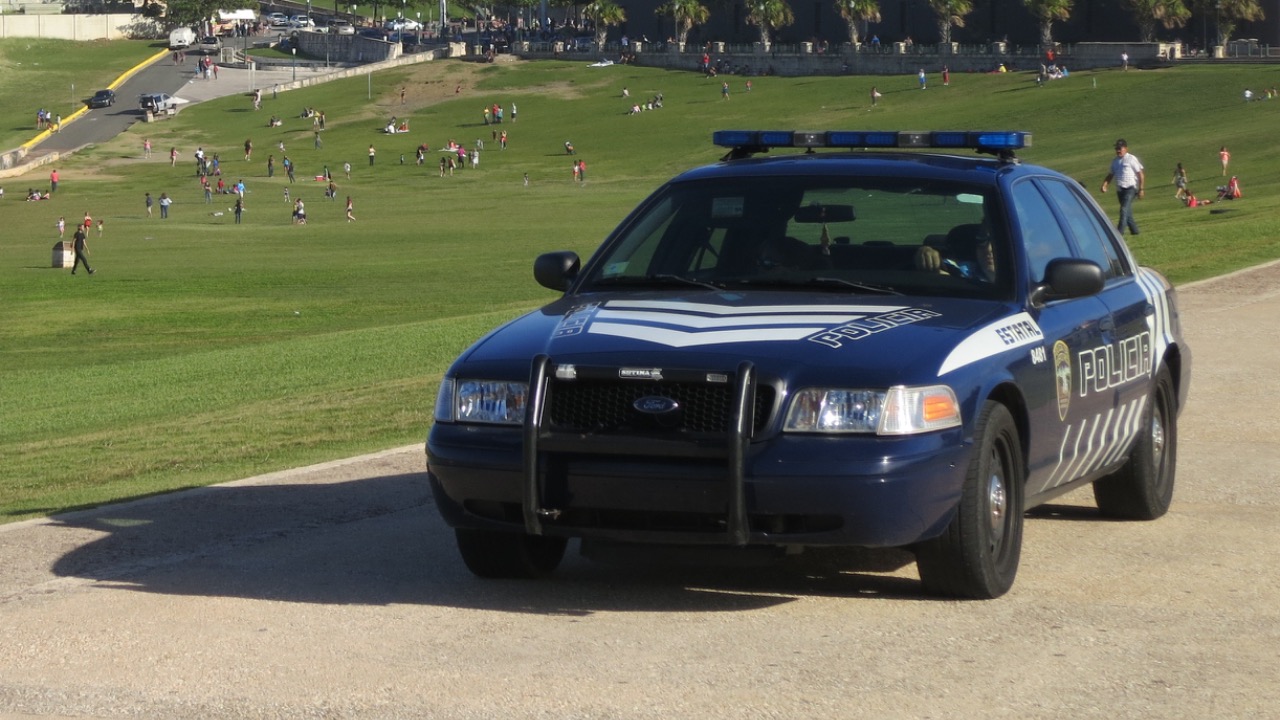
The Drug Enforcement Administration and the Puerto Rico Police Bureau led the day to day investigation through a dedicated strike force in San Juan. They brought in help from the FBI, Homeland Security Investigations, Customs and Border Protection, the Marshals Service, Border Patrol, and the Bureau of Alcohol, Tobacco, Firearms and Explosives.
Local support during the operation came from the Puerto Rico National Guard plus police departments in Guaynabo, Bayamón, and San Juan. The whole effort sits inside a larger Homeland Security Task Force aimed at dismantling transnational crime groups. That coordination let investigators share resources and intelligence without gaps.
Violence Tied to the Organization
The group allegedly reacted to even minor slights with shootings and killings carried out in public view. These incidents happened in broad daylight, sometimes near bars or nightclubs, and in front of bystanders that included children. Members reportedly wore vests, masks, and gloves while using stolen vehicles to get away afterward.
Investigators continue to examine several murders linked to the network. The pattern of quick, visible retaliation supposedly helped the group maintain fear and control over its territory. Public safety in the affected neighborhoods suffered as a direct result of this approach.
What Comes Next for the Defendants
All 52 people now move through the federal court system in Puerto Rico following their arrests. Each one receives the presumption of innocence until a trial or plea decides otherwise. Prosecutors from the U.S. Attorney’s office will present the evidence while defense teams prepare their responses.
Sentencing guidelines look stiff if convictions hold, especially with the added firearms counts. The case could stretch for months as motions and hearings play out. In the meantime, the streets where the group operated may feel a temporary shift while the legal process runs its course.

Asher was raised in the woods and on the water, and it shows. He’s logged more hours behind a rifle and under a heavy pack than most men twice his age.