Beloved Tennessee Park Forced to Close Multiple Areas as Bear Encounters Explode
Great Smoky Mountains National Park draws crowds year after year for its forested ridges, clear streams, and the chance to experience wild spaces up close. Lately officials there have taken steps to limit access in certain spots after bear activity increased. The changes focus on protecting both the animals and the people who come to enjoy the trails. If you head to Tennessee expecting the usual freedom to roam everywhere, you will notice some adjustments right now. Checking conditions ahead of time helps you plan around what remains open while still getting the most from your visit.
Abrams Falls Trail Closes Due to Bear Activity
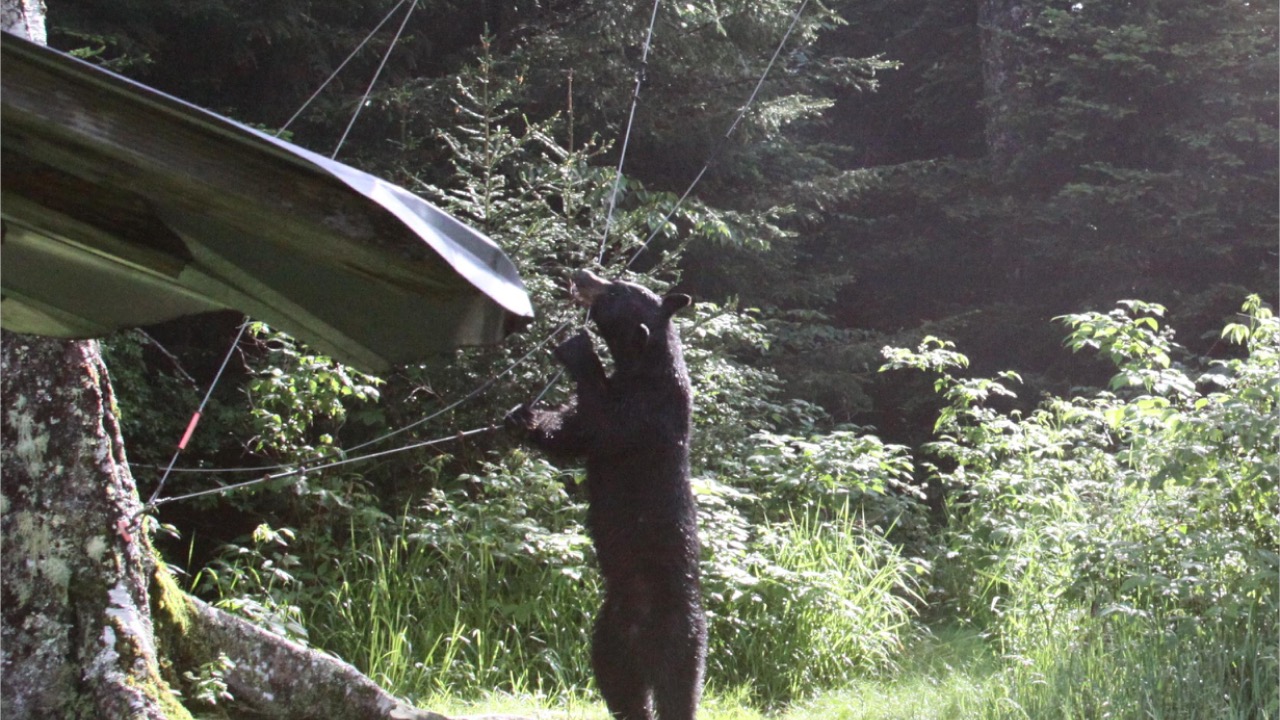
Park rangers shut down the Abrams Falls Trail and the road that leads to it on April 12. They acted after an aggressive bear showed up in the area near Cades Cove. The closure blocks access to the popular waterfall hike until conditions improve. Rangers keep watch and update the status as they assess the situation day by day.
This kind of temporary shutdown gives the bear room to move without constant human presence nearby. It also lowers the chance of any direct contact between visitors and the animal. You can still explore other trails in the park, but the park service lists this one as off limits for now. Checking the official closures page before you drive over ensures you do not arrive expecting to hike a route that stays closed.
Park Officials Prioritize Safety for Everyone
Officials weigh the risks carefully before they close any section of the park. When bear behavior turns aggressive, they step in to separate people from the animals. The goal stays simple: avoid injuries on both sides. Rangers monitor reports closely and act when patterns suggest trouble ahead.
You benefit from their quick decisions even if it means changing your route. The park service works to keep the wider area open while addressing the immediate concern. They share updates through their website and on site notices. Following those details lets you enjoy what remains available without running into unexpected barriers during your day.
Black Bears Thrive in This Landscape
Great Smoky Mountains National Park supports a healthy population of black bears that roam the ridges and valleys. These animals find plenty of natural food sources across the terrain. Their presence forms a core part of what makes the area feel untouched. Biologists track the bears through the seasons to understand their movements.
You might spot one from a safe distance during a hike, which many visitors consider a highlight. The park reminds everyone that these bears remain wild and deserve space to live without interference. Respecting their habitat keeps encounters rare and keeps the population stable over time. Rangers encourage distance at all times so the animals stay wary of people rather than seeking them out.
Encounters Rise When Habits Form
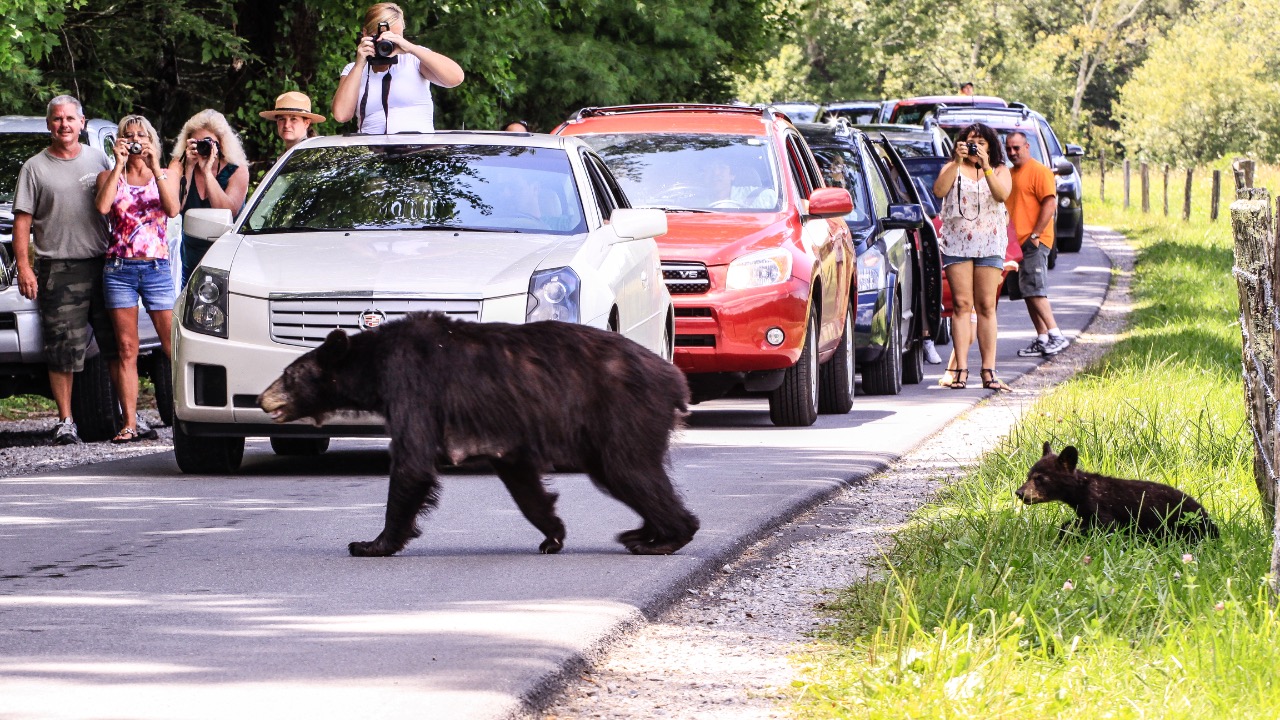
Bears sometimes lose their natural caution around people when they connect humans with easy food. Once that link forms, they approach roads, campsites, or trails more often. The park sees this pattern repeat when visitors leave out snacks or fail to store supplies properly. Rangers note these shifts and respond before problems grow.
You play a direct part in breaking that cycle by keeping food out of reach. Simple actions like using provided storage systems or carrying everything back to your vehicle make a difference. The park service tracks these incidents to guide their management choices. Staying aware helps prevent the kind of activity that leads to closures like the one at Abrams Falls.
Your Role in Keeping Bears Wild
Storing food correctly and keeping a clean campsite prevents bears from learning bad habits. The park provides bear-proof options at many sites for exactly this reason. Avoiding any feeding, even small scraps, keeps the animals focused on natural foraging. Small choices add up across thousands of visitors each season.
You also help by giving bears plenty of room if you see one. Backing away slowly and speaking calmly lets them move off without feeling threatened. The park service shares these practices widely because they work when everyone follows through. Taking them seriously supports the long-term health of both the bear population and the trails you want to keep open.
What Rangers Do When Issues Appear
Rangers respond to reports of bear activity by evaluating the behavior and location. They may close a specific trail or campsite temporarily to let things calm down. Monitoring continues until the area returns to normal patterns. Their work balances access with protection in real time.
You see the results of these efforts when you check current conditions online. The park service posts exact details so visitors know what to expect. Rangers also collect data from each incident to spot broader trends. Their ongoing presence on the ground keeps the park manageable even during busier stretches when bear sightings increase.
Planning Your Visit Around Current Conditions
Check the park website for the latest list of open and closed areas before you leave home. Abrams Falls remains unavailable, but many other trails and viewpoints stay ready for you. Building flexibility into your schedule prevents disappointment if one route stays blocked. Rangers update the page regularly as situations change.
You can still experience the park fully by choosing alternate hikes that match your interests. The Smokies offer plenty of options across different sections. Packing the right gear and reviewing safety guidelines ahead of time prepares you for whatever you encounter. Staying informed turns a potential setback into a chance to explore something new within the same beautiful landscape.

Asher was raised in the woods and on the water, and it shows. He’s logged more hours behind a rifle and under a heavy pack than most men twice his age.