Appalachian legends: separating folklore from fact
Spend enough time in the Appalachian Mountains, and you realize the stories didn’t come from boredom. They came from long nights, hard work, and landscapes that don’t explain themselves easily. Fog settles where it shouldn’t. Sounds travel wrong. Lights appear with no clear source. Over generations, people tried to make sense of what they saw, and those explanations hardened into legends. Some have roots in natural phenomena. Others trace back to real people or misunderstood cultures. A few are cautionary tales shaped by isolation and survival. This isn’t about debunking for sport. It’s about understanding why these stories stuck—and what still holds up when you strip away the exaggeration.
The Brown Mountain Lights

For over a century, mysterious glows have been reported along the ridges near Brown Mountain Lights. Locals described floating orbs drifting through valleys long before cars or highways existed nearby. That matters, because it rules out easy explanations like headlights or modern light pollution.
Scientists have proposed everything from combustion of natural gases to atmospheric refraction. None fully explain why the lights appear inconsistently or move the way witnesses describe. What’s factual is that trained observers, including surveyors and geologists, recorded sightings. The lights aren’t ghosts, but they’re also not campfire stories invented after dark. Something real happens there, even if science hasn’t pinned it down yet.
The Bell Witch
The Bell Witch legend centers on a Tennessee family tormented by an unseen presence in the early 1800s. Accounts include knocking sounds, voices, and physical disturbances, all recorded by multiple witnesses. Unlike many ghost tales, this one appears in journals and local records from the period.
What’s likely is a mix of social tension, stress, and possibly illness playing out in an isolated household. There’s no evidence of a supernatural entity, but the documented fear was real. The story survived because it reflected the anxiety of frontier life, where unexplained events felt threatening and inescapable. The facts don’t confirm a witch, but they do confirm something deeply unsettling happened.
The Green Man
Stories of the Green Man, also known as Charlie No-Face, spread across western Pennsylvania and nearby Appalachian regions. Kids whispered about a glowing face wandering back roads at night. The truth is less frightening and far more human.
Raymond Robinson was a real man severely disfigured by an electrical accident as a child. He walked at night to avoid stares and harassment. Headlights reflecting off his injuries fueled exaggerated stories. Over time, sympathy turned into myth. The legend stuck because people preferred a monster to confronting their own cruelty. The facts remind you how easily fear grows when empathy is missing.
Raven Mockers
Raven Mockers come from Cherokee folklore, described as witches who steal life from the dying. Unlike jump-scare monsters, these stories carried moral weight. They warned against greed, envy, and violating community trust.
What’s factual is the cultural role these stories played. They weren’t meant to frighten outsiders but to reinforce social rules within the tribe. Over time, outsiders twisted the legend into something darker and less accurate. There’s no evidence of literal shape-shifting beings stalking the woods, but the stories reflect real concerns about illness, death, and social responsibility in tight-knit mountain communities.
The Wampus Cat
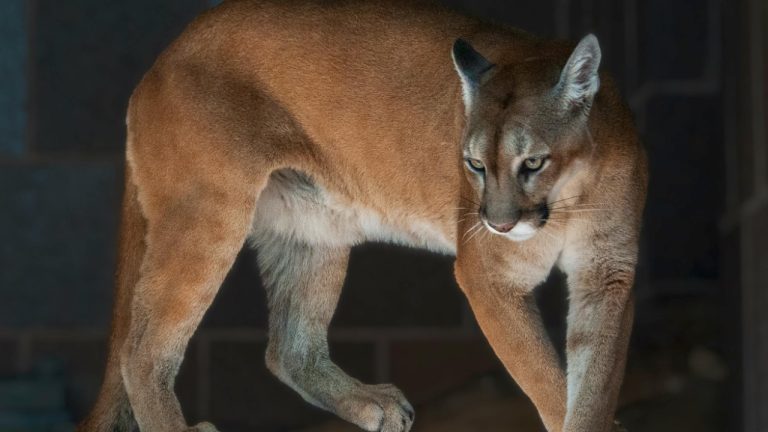
The Wampus Cat is often described as a half-cat, half-creature stalking Appalachian hollows. Sightings usually involve glowing eyes, strange screams, and tracks that don’t quite match known animals.
What’s likely happening is a mix of misidentified wildlife—mountain lions, bobcats, and even bears—combined with unfamiliar sounds echoing through steep terrain. Appalachia carries sound in ways that confuse distance and direction. The legend filled gaps in understanding before wildlife biology was common knowledge. There’s no evidence of an unknown predator, but there is plenty of evidence that the mountains can make ordinary animals seem far more mysterious than they are.
The Melungeon Myths
Melungeons were real people living in isolated Appalachian communities, often described as mysterious or “not quite white.” Rumors claimed they were part Portuguese, Middle Eastern, or even descended from lost colonies.
Modern genetic research shows Melungeons were of mixed European, African, and Native ancestry, which was enough to spark suspicion in rigid social systems. The legends weren’t about monsters but about discomfort with difference. What’s factual is how quickly mystery filled the gaps when people didn’t fit neat categories. The myth says more about fear and prejudice than hidden bloodlines. Understanding that helps separate folklore from a very real chapter of Appalachian history.

Asher was raised in the woods and on the water, and it shows. He’s logged more hours behind a rifle and under a heavy pack than most men twice his age.