Conservation Groups Push New Limits on Harvest Tags, Hunters Push Back Hard
Conservation groups and hunters have locked horns over harvest tags for years, but the tension has sharpened lately. Some organizations focused on wildlife protection are pressing state agencies to issue fewer tags in certain areas. They see it as a necessary step to ease pressure on game populations facing habitat challenges and other stressors. Hunters, meanwhile, are pushing back with organized comments, petitions, and public testimony. They worry that blanket reductions overlook how tags already get set through biological data and could cut into the very funding that keeps wildlife programs running.
As someone who follows these issues, you understand the stakes. Harvest tags serve as the main tool for controlling how many animals get taken each season. When groups call for new limits, they highlight specific herds showing signs of strain. Hunters respond that the system already balances opportunity with sustainability and that sudden cuts risk alienating the people who pay most of the bills for conservation.
The case for tighter harvest limits
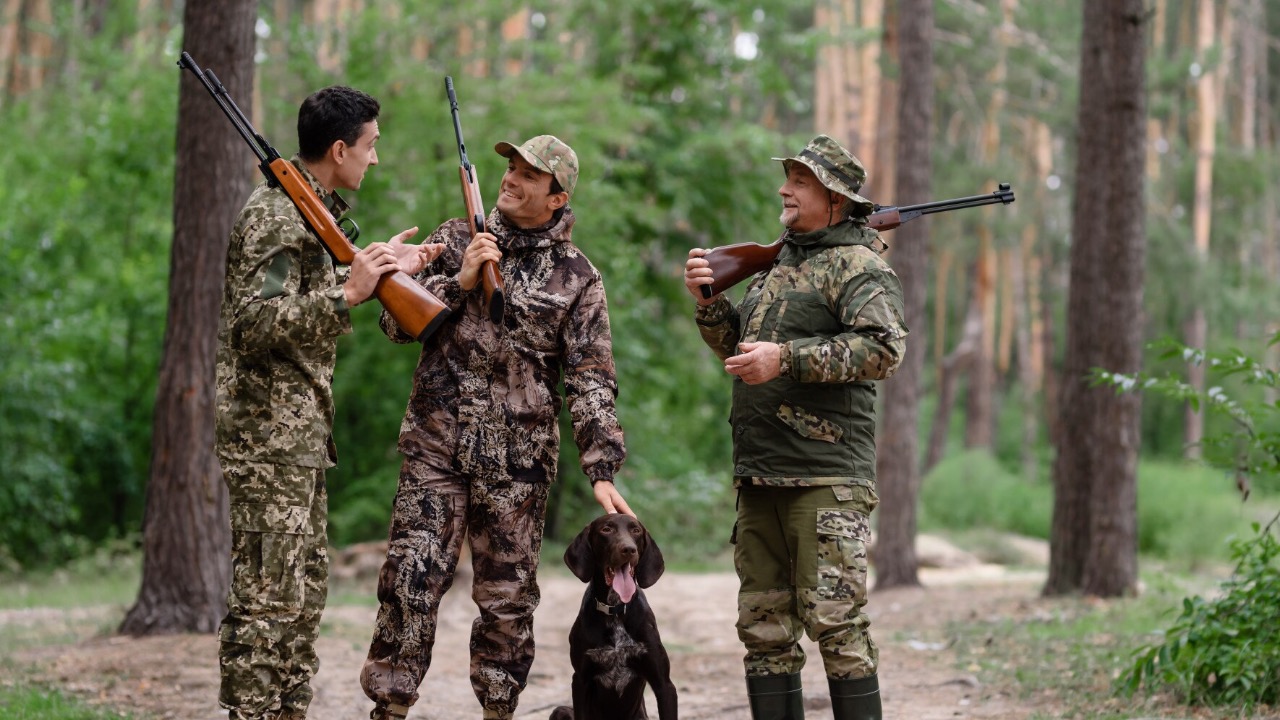
Conservation organizations point to field surveys that show declining numbers in some big-game herds across the West. They argue that issuing fewer tags gives biologists more room to let populations stabilize before any rebound. In states where mule deer have struggled, for instance, advocates say reducing available permits prevents overharvest during vulnerable periods. Their position rests on the idea that proactive limits protect long-term herd health rather than waiting for numbers to crash.
You hear them emphasize habitat changes and competition from other species as reasons to act sooner. They believe lower tag quotas let managers respond faster to local conditions without waiting for emergency measures. Supporters add that this approach keeps pressure even across different land types, public and private. The goal remains steady populations that support both viewing and regulated harvest well into the future.
Hunters question the data behind the push
Many hunters examine the same population reports and reach different conclusions. They note that survey methods sometimes miss animals in thick cover or remote country, leading to estimates that feel too low. In their view, cutting tags based on those figures punishes responsible sportsmen while ignoring other factors like disease or road mortality. You see this skepticism play out in public meetings where hunters share firsthand observations from their hunting areas.
They also argue that tag limits should adjust region by region instead of applying statewide rules. Experienced hunters point out that weather patterns and forage availability shift yearly, so rigid reductions can miss the mark. Their pushback calls for more transparent data collection and greater weight given to local knowledge. That way, decisions reflect what is actually happening on the ground rather than broad averages.
Conservation funding relies heavily on hunters
Here is something often overlooked in these debates. Hunters and anglers generate the bulk of money for state wildlife agencies through license fees, tag sales, and federal excise taxes on equipment. Those dollars pay for habitat projects, research, and enforcement that benefit all species, game and nongame alike. When tag numbers drop sharply, revenue follows, and programs can face shortfalls. You contribute directly every time you buy a license or tag.
Groups pushing limits sometimes overlook this connection. Hunters remind decision makers that their spending built the system now under discussion. Reduced opportunity can mean fewer participants over time, which shrinks the financial base. Maintaining reasonable tag availability keeps people engaged and the funding stream reliable for the work that actually conserves land and animals.
Economic ripples hit rural communities
Small towns near public hunting land feel these tag decisions in real ways. Outfitters, motels, and local stores count on hunters arriving during season. Fewer tags translate to fewer visitors, less spending, and lost jobs in places where options are already limited. You see the pattern repeat in western states where rural economies lean on outdoor recreation. Families who guide or provide services watch their income dip when permits tighten.
Hunters argue that the social costs deserve equal weight alongside biological ones. They point out that many conservation projects in those areas depend on the same local support that could fade if participation drops. The pushback highlights how policy choices affect people who live closest to the wildlife in question. Balanced management, they say, considers both herd numbers and community stability.
Recent examples from western states
Take Montana, where officials trimmed nonresident deer tags and lowered the resident bag limit in some units. The move aimed to address crowding and help mule deer recover in hard-hit zones. Hunters there voiced strong concerns about lost access, especially during general seasons. Similar conversations have surfaced in other states weighing changes to antlerless permits or draw systems. You follow these stories because they show how quickly proposals turn into real limits.
In each case, the state cited population trends and hunter pressure. Opponents countered with their own data on harvest success rates and age structures. The debates played out in commission meetings and online forums, with both sides submitting detailed comments. These examples illustrate how the broader argument over tags unfolds in practice, state by state.
Public meetings shape the final rules
State wildlife commissions hold open hearings precisely because these issues matter to so many people. Hunters show up in force, often with maps, harvest records, and season reports in hand. Conservation groups present their analyses and proposed quotas. You can attend or submit written input to influence what ends up in the regulations. The process, while imperfect, gives voice to those who will live with the outcome.
Commissioners weigh the testimony alongside biological recommendations. Sometimes adjustments follow, like fine-tuning tag numbers for specific units or extending comment periods. Hunters stress the value of keeping these channels open and responsive. Their involvement ensures that rules reflect both science and the practical realities of people who spend time in the field.
Finding workable paths forward
Both sides share the basic aim of healthy wildlife populations. The friction comes when deciding exactly how many tags achieve that goal without unnecessary restrictions. Ongoing research into better population monitoring and adaptive management could help bridge the gap. You see calls for pilot programs that test different tag levels and track results over several seasons. That evidence-based approach might ease some of the distrust.
Hunters continue pressing for clear communication from agencies and opportunities to review raw data. Conservation advocates keep highlighting areas where quicker action could prevent bigger problems later. The conversation remains active because the stakes involve both animals and the people who value them. Staying engaged keeps the focus on practical solutions that work for the long haul.

Asher was raised in the woods and on the water, and it shows. He’s logged more hours behind a rifle and under a heavy pack than most men twice his age.