These Six Gas Brands Are Gaining a Reputation for Lower-Quality Fuel
You don’t think much about gas until something feels off. A rough idle, worse mileage, maybe a check engine light that shows up sooner than it should. Most fuel in the U.S. meets minimum federal standards, but that doesn’t mean every gallon is equal once it hits your tank.
What matters is consistency—how clean the storage tanks are, how often filters are maintained, and whether detergents are present in meaningful amounts. Some brands have picked up a reputation among mechanics and drivers for being less reliable in those areas. Not every station is the same, but patterns show up over time. Here are a few names that tend to come up when folks start talking about lower-quality fuel.
ARCO Gets Mentioned for Minimal Additives
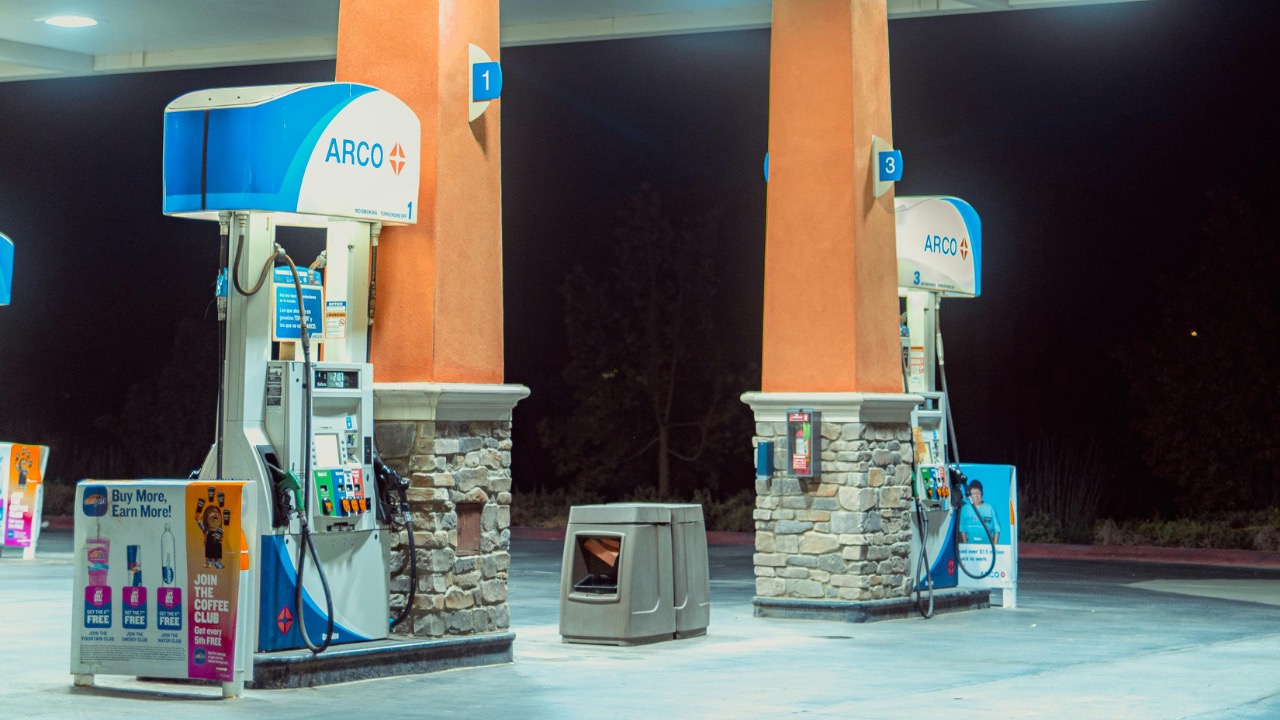
You’ll hear ARCO come up often in conversations about fuel quality, mostly because it’s known for keeping costs down. That usually means fewer additives compared to brands that meet higher voluntary standards.
In real terms, that can show up as more carbon buildup over time, especially in engines that are sensitive to fuel detergents. Plenty of drivers run it without issue, but mechanics will tell you they see more intake and injector deposits from cars that rely on lower-additive fuel long-term. It’s not about one tank—it’s what happens after months or years.
Valero Has Inconsistent Station Quality
Valero supplies a lot of fuel across the country, and the fuel itself meets required standards. The concern you’ll hear isn’t always about the gasoline—it’s about the stations selling it.
Because many locations are independently operated, maintenance can vary. That includes underground tanks, water intrusion, and filter upkeep. If those aren’t managed well, it can affect what ends up in your tank. One location might be perfectly fine, while another down the road causes problems. That inconsistency is where the reputation comes from.
Murphy USA Is Known for Budget Fuel Tradeoffs
Murphy USA stations are often tied to big-box retailers and focus on price. You’ve probably pulled in for the cheaper gallon at some point.
Lower prices don’t automatically mean bad fuel, but cost-cutting can show up in additive packages. Over time, engines running on lower-detergent fuel may see more buildup in injectors and valves. It’s the kind of slow wear you don’t notice until performance drops off. For older trucks, it may not matter much. For newer engines, it can.
Citgo Raises Questions Around Additive Levels
Citgo has a long presence in the U.S., but it doesn’t always get grouped with brands known for higher detergent standards. That’s where some of the criticism comes in.
Engines today rely on cleaner-burning fuel to keep systems running right. Without strong detergent packages, deposits can form faster. Drivers who stick with one brand over time tend to notice differences in throttle response and fuel economy. Citgo fuel meets legal requirements, but it doesn’t always get the same marks as top-tier options when it comes to long-term cleanliness.
Speedway Comes Up in Regional Complaints
Speedway stations are common across large parts of the country, and like others, they operate under a mix of corporate and franchise oversight.
What you’ll hear from some drivers and mechanics is tied to specific locations—fuel contamination, water in tanks, or poor maintenance. These issues aren’t constant, but they show up enough to stick. When fuel systems start acting up, people tend to remember where they last filled up. Over time, those stories shape how a brand is viewed, fair or not.
7-Eleven Fuel Quality Varies by Supplier
7-Eleven sells fuel at many of its locations, but it doesn’t always refine or brand that fuel the same way major oil companies do. Supply can come from different sources depending on the region.
That variation means quality can shift from one location to another. In some areas, you’re getting fuel comparable to major brands. In others, it may lack the same level of detergent additives. It’s not a guaranteed problem, but it does make consistency harder to count on, especially if you’re traveling and filling up at unfamiliar stops.
At the end of the day, most fuel won’t ruin your engine overnight. Problems tend to build slowly, showing up as reduced efficiency or rough performance. If you want to avoid it, consistency matters more than anything—finding a well-maintained station and sticking with it goes a long way.

Asher was raised in the woods and on the water, and it shows. He’s logged more hours behind a rifle and under a heavy pack than most men twice his age.