Two Fatal Rattlesnake Bites Reported in Southern California as Encounters Rise
You have likely caught wind of the reports coming out of Orange and Ventura counties. In the span of a few weeks this spring, two hikers lost their lives after rattlesnake bites, events that stand out because they arrived unusually early in the season. Warmer temperatures pulled the snakes from their winter retreats sooner than normal, and more people headed outdoors at the same time. The combination has raised the odds of contact on trails that many of you use regularly for exercise or escape. Health officials note that while fatal bites remain uncommon nationwide, these cases highlight how quickly conditions can shift when the weather turns mild ahead of schedule.
The First Fatality in Orange County
Julian Hernandez, a 25-year-old from the area, was mountain biking near the Quail Hill Trailhead in Irvine on February 1 when the bite occurred. He reached medical care, but the venom took its toll over the following month. On March 4 he died in a local hospital after a prolonged fight in intensive care. His death marked one of the earliest serious incidents of the year and caught many residents off guard because snake activity usually ramps up later.
The trail itself draws plenty of locals on weekends, which made the news feel close to home for anyone who hikes or bikes there. Emergency responders stressed that even experienced outdoor users can face surprises when snakes move earlier than expected. Hernandez’s case served as an early signal that this season would test the usual safety assumptions people carry onto Southern California paths.
The Second Death in Ventura County
Gabriela Bautista, 46, from Moorpark, was hiking at Wildwood Regional Park in Thousand Oaks on March 14 when she was bitten. She received treatment, yet the effects of the venom progressed, and she passed away on March 19. Ventura County fire officials confirmed the incident as the second fatality in the region within weeks, noting four bites reported in their area since mid-March alone.
Wildwood draws families and solo walkers year-round, so the location amplified concern among regular visitors. Bautista’s loss came after she had already been transported for care, showing that even prompt medical attention does not always reverse the outcome once venom enters the system. The timing, so soon after the first death, pushed local agencies to issue fresh alerts about staying vigilant on any trail.
What Is Driving the Early Surge
Unseasonably warm weather in March pushed rattlesnakes out of brumation well before their typical schedule. Experts point to the combination of mild temperatures and solid winter rains that produced abundant plant growth and plenty of rodents for the snakes to hunt. With food sources plentiful and days heating up faster than usual, the reptiles became active on the surface earlier and in greater numbers.
People responded to the same sunshine by filling trails and parks in record numbers for the time of year. That overlap of snake movement and human foot traffic explains the spike in reported encounters across coastal and inland areas. Officials in several counties have logged more calls than they saw in the same period last year, turning what is normally a gradual spring buildup into an abrupt one.
How Rattlesnakes Adjust to Temperature Shifts
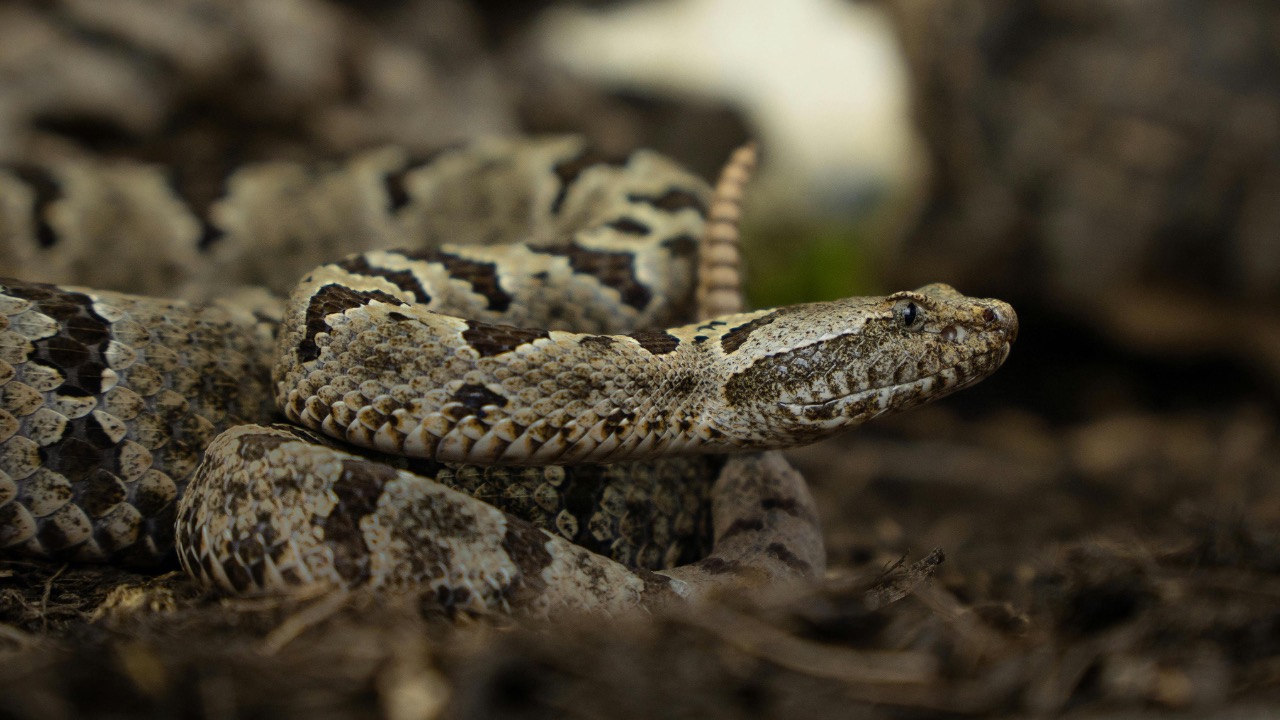
Rattlesnakes do not hibernate the way mammals do. They enter a low-energy state called brumation during cooler months, emerging when conditions feel right for hunting and mating. This year the early heat served as a strong cue, bringing them out to bask and search for prey weeks ahead of schedule.
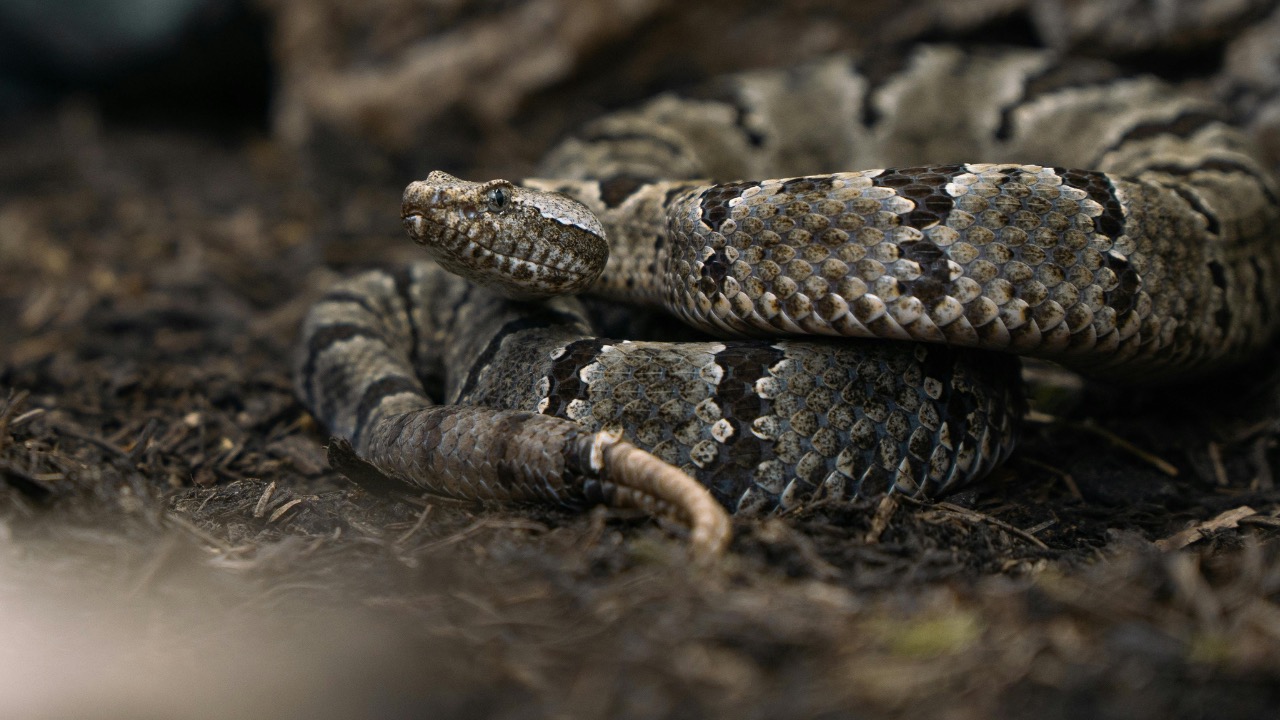
You might notice them near rocky outcrops, brushy edges, or open ground where they can regulate body temperature. Their activity level rises with the mercury, so the warmer forecast through the coming months keeps the potential for contact high. Biologists emphasize that the snakes are not aggressive by nature; most bites happen when someone steps too close without realizing the reptile is there.
Recognizing the Signs of a Bite
Pain at the puncture site usually arrives quickly, often followed by swelling that spreads up the limb. You could also experience nausea, dizziness, or a metallic taste in your mouth as the venom affects your system. Some people report tingling or numbness farther from the bite, and breathing may become more difficult in severe cases.
These symptoms can worsen over hours, which is why time matters. Even if the bite feels minor at first, the venom from Southern Pacific rattlesnakes common in the region packs a potent mix of tissue-damaging and blood-affecting components. Tracking any changes in how you feel becomes essential while you head for help.
Immediate Actions After an Encounter
Stay calm and keep the bitten area still and below heart level to slow the spread of venom. Remove any tight clothing or jewelry near the site before swelling starts. Walk out if you can, but avoid running, which speeds circulation.
Call emergency services right away and let them know you are dealing with a possible rattlesnake bite. Do not try to suck out the venom or apply ice or a tourniquet; those steps can cause more harm. Getting to a hospital equipped with antivenom gives you the best chance, and most facilities in Southern California keep supplies ready during peak season.
Medical Response and Recovery Outlook
Hospitals administer antivenom when tests confirm significant envenomation, working to neutralize the toxins and manage swelling and blood pressure. Supportive care in the ICU often follows for cases like the recent fatalities, where the body needs time to stabilize. Recovery can take days or weeks depending on the amount of venom and how quickly treatment begins.
Doctors stress that survival rates remain high with modern care, yet the two deaths this spring show that outcomes vary. Factors such as the victim’s overall health and the specific snake involved play a role. Prompt transport to the right facility continues to make the biggest difference once a bite is confirmed.
Practical Steps to Protect Yourself on Trails
Stick to cleared paths and avoid stepping into tall grass or over logs where visibility is low. Wear sturdy boots and long pants, and consider carrying a hiking stick to probe ahead. Keep dogs leashed and close so they do not wander into hidden spots.
Scan the ground a few feet in front of you as you walk, especially in the morning or late afternoon when snakes are more likely to be moving. If you spot one, give it a wide berth of at least six feet and back away slowly. These habits cut the chance of accidental contact without spoiling your time outside.
What the Rest of the Season Holds
Snake activity is expected to stay elevated through at least October, with peaks during warmer stretches. Park rangers and fire departments have increased patrols and posted reminders at trailheads, urging everyone to treat the outdoors with added respect this year. The recent incidents have sparked more conversations in local communities about sharing space with wildlife.
You can still enjoy the hills and canyons that make Southern California special. Staying informed, moving with care, and knowing basic response steps help keep those outings safe. The two losses this spring serve as a clear nudge to approach familiar trails with fresh eyes while the weather stays warm.

Asher was raised in the woods and on the water, and it shows. He’s logged more hours behind a rifle and under a heavy pack than most men twice his age.