Most overlooked deer species and where to find them
You’ve probably spent plenty of time in the backcountry tracking whitetails or mules, figuring out their patterns and haunts. But the deer family runs deeper than that, with species scattered across the globe that most hunters never cross paths with. These animals adapt to spots from thick Asian forests to South American swamps, facing pressures like habitat loss or low numbers that keep them out of the headlines. If you’re gearing up for a trip or just curious about what’s out there, knowing these can change how you see the woods. They’re real survivors, each with habits tied to their terrain, and spotting one takes patience and the right setup.
Water Deer
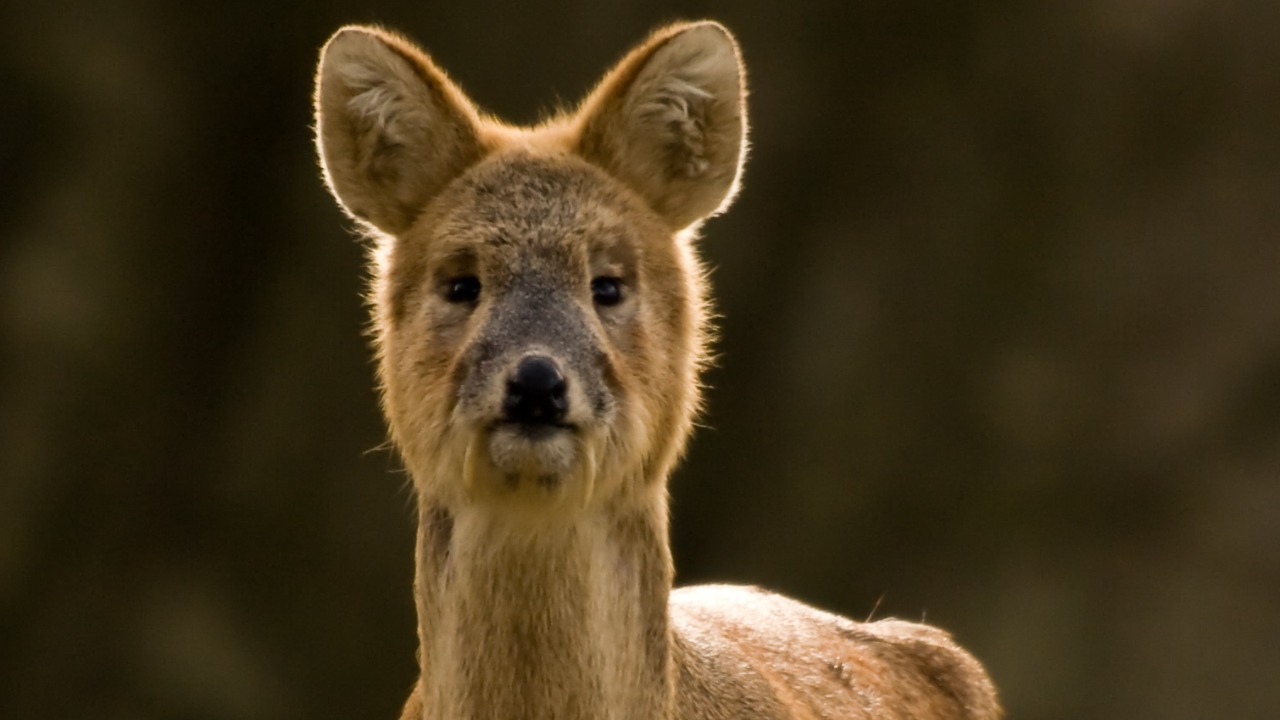
You might mistake these for something out of a storybook at first glance, with their long tusks instead of antlers. They stand small, about knee-high, and move quiet through reeds and brush. Native to parts of Korea and China, they’ve shown up in England too, from old estate releases. Hunters there deal with them as crop raiders sometimes.
If you head to the Korean countryside or eastern China, look along riverbanks where water meets grass. They’re active at dawn and dusk, grazing on soft plants. In England, places like Woburn Abbey hold feral groups—watch from trails without getting too close. Their calls sound sharp, like a bark, giving away their spot.
Pudu
These are the tiniest deer you’ll run across, barely taller than a big dog, with a stocky build suited for dodging through undergrowth. Found in South America’s rainforests, they stick to Chile and Argentina mostly, munching leaves and fruits in the damp shade.
To find them, try reserves like Valdivian Coastal in Chile, where trails wind through thick ferns. They’re shy, so set up early with binoculars—spot their rounded ears or quick bounds. Habitat loss pushes them higher up mountains, making sightings rarer, but patience pays off near streams.
Indian Muntjac
Known for their bark that echoes like a dog’s, these compact deer hide in dense cover across South Asia. They sport short tusks and antlers, feeding on whatever’s around, from grass to fallen fruit. Invasive in Britain now, they thrive in woods there too.
In India’s parks like Kaziranga, scan edges of forests at twilight. Their small size helps them slip away fast. Over in Britain, countryside walks might turn one up—listen for that alarm call. They’re adaptable, even eating carrion if needed.
Truong Son Muntjac
This one’s a ghost in the mountains, discovered not long ago and still hard to pin down. Small and elusive, with basic antlers, they forage in Vietnam’s Annamite range, blending into the mist and vines.
Expeditions to spots like Saola Reserve are your best shot, but expect tough hikes. Trail cams catch them sometimes, showing their striped coats. Numbers are low, so respect the area—poaching hits them hard. Their habitat’s remote, rewarding those who put in the miles.
Pygmy Brocket Deer
Nocturnal and low to the ground, these live in pockets of Brazil, Argentina, and Paraguay. Their reddish fur helps them vanish in leaf litter, grazing quietly on understory plants.
Head to Iguazu Falls area for a chance—night walks along park edges work. They’re solitary, so look for tracks near water. Fragmented forests make them vulnerable, but protected zones keep populations steady. Spotting one feels earned after hours of waiting.
Hog Deer
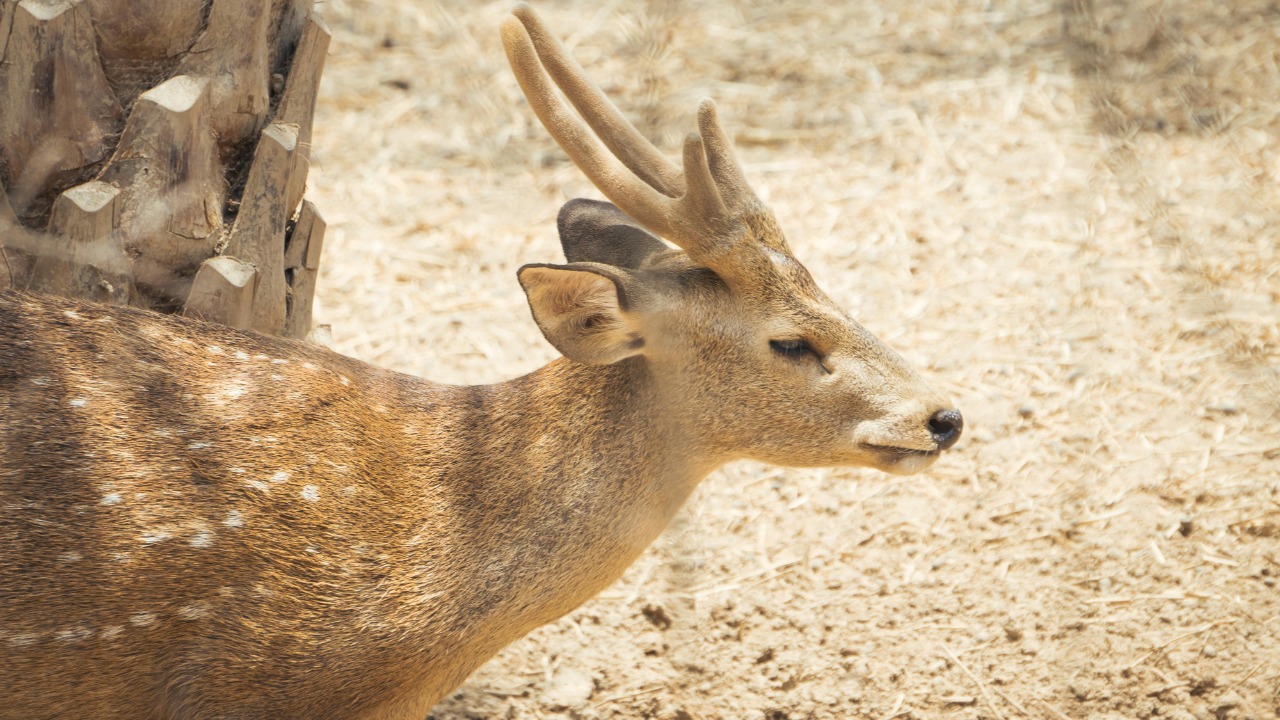
Built sturdy with short legs, they trot like pigs through South Asian grasslands. Found in India and Nepal, they gather after floods or fires, browsing fresh growth.
Kaziranga in India holds strong numbers—watch from elephant backs or jeeps at dawn. In Nepal’s Chitwan, riverside trails offer views. Poaching thinned them, but parks help rebound. Their herds form loose, easy to observe if you stay downwind.
Tufted Deer
With a black tuft on their forehead and fangs showing, these look fierce up close. They roam central China’s mountain forests, solitary and alert, eating bamboo and herbs.
Trek high in places like eastern Tibet or Myanmar borders—damp woods near streams are key. Their range shrinks from logging, so stick to reserves. Calls are soft grunts; tracks show small hooves. Winter pushes them lower, improving odds.
Barasingha
Also called swamp deer, they sport impressive branched antlers and stick to wet grasslands in India and Nepal. Tall grass hides them well as they graze.
Kanha National Park’s your spot—safaris at dusk reveal herds near water. Assam’s Kaziranga works too. Conservation pulled them back from the brink; floods shape their moves. Listen for bellows during rut.
Marsh Deer
South America’s largest, with long legs for wading, they patrol Pantanal marshes in Brazil and nearby countries. Aquatic plants make up their diet, keeping them tied to water.
Boat trips in the Pantanal give close looks—dry season concentrates them. Paraguay’s Chaco has groups too. Threats like dams alter floods; observe from hides. Their golden coats stand out at distance.
Sambar
Big and rugged, these Asian deer handle steep hills and thick woods from India to Southeast Asia. They wallow in mud, feeding on browse at night.
Bandhavgarh in India offers drives for sightings—listen for alarm stamps. Thailand’s parks like Khao Yai hold them. Water draws them; tracks are large. Tigers prey on them, so they’re wary.
Axis Deer
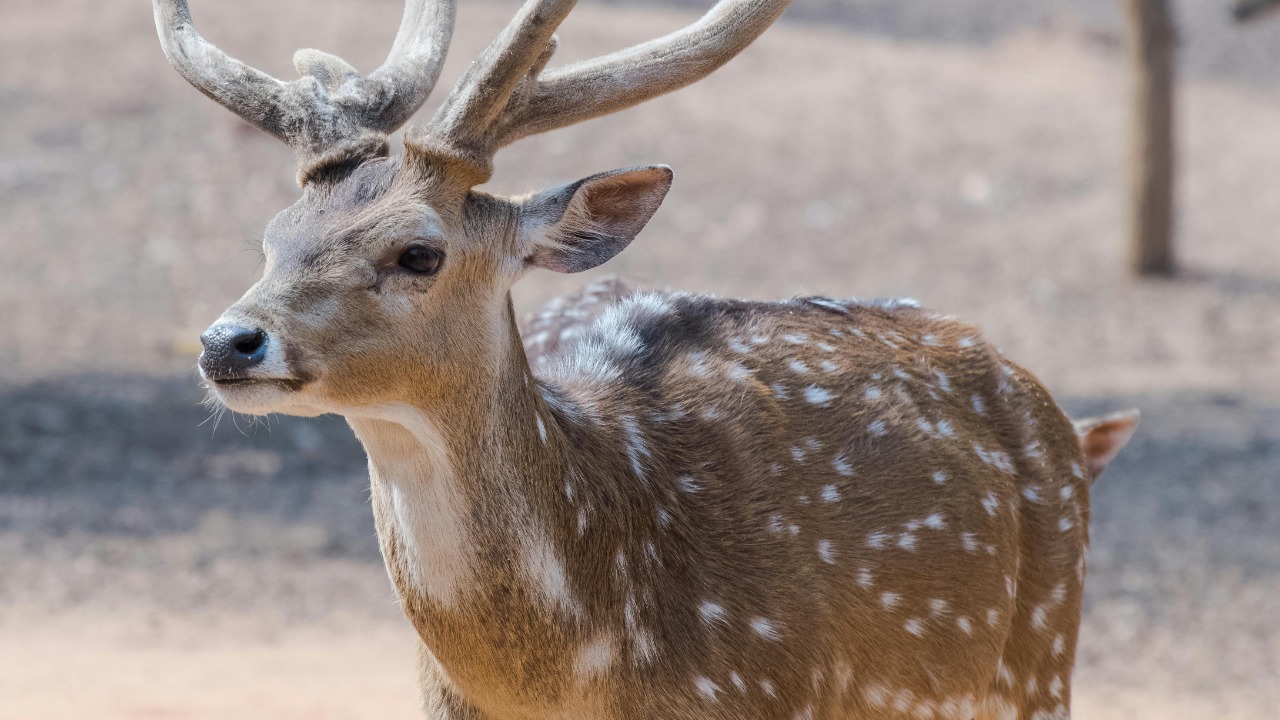
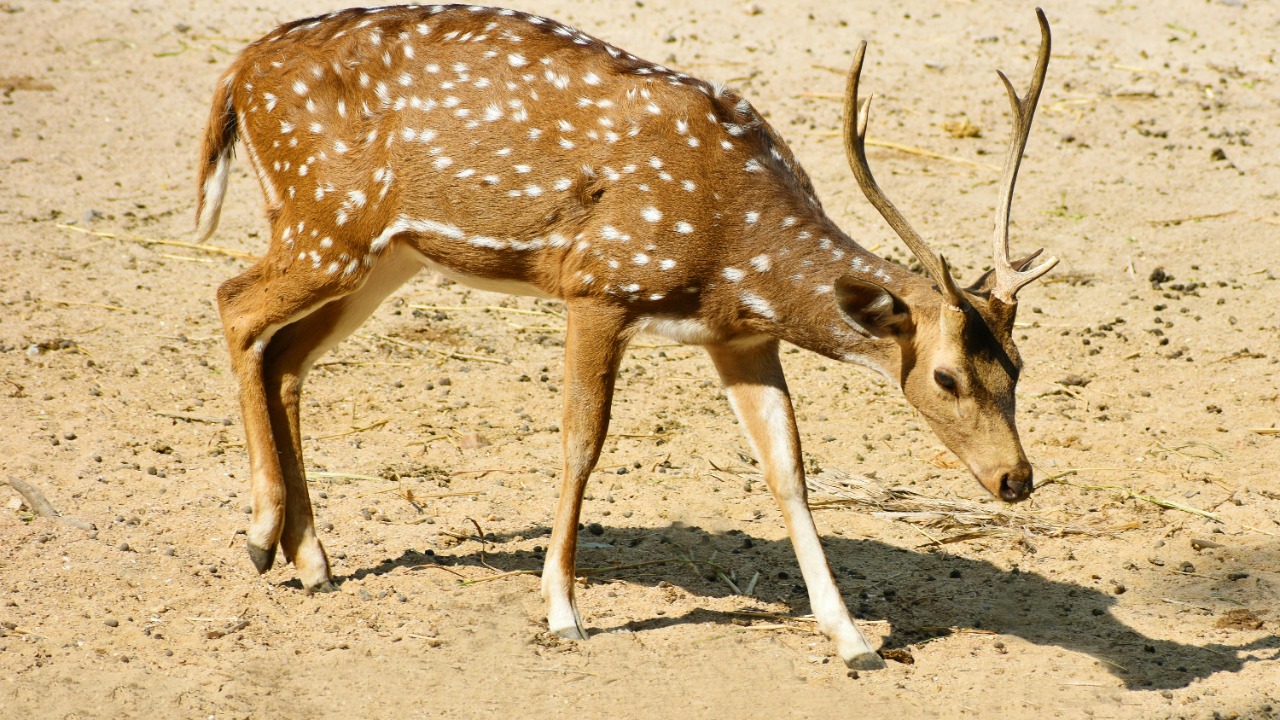
Spotted coats camouflage them in India’s open woods and grass. Introduced in Texas and Hawaii, they form herds, rutting year-round.
In native range, Gir Forest shows them—watch waterholes. Texas ranches allow hunts; they’re vocal with bugles. Adaptable to dry areas, but need cover. Fawns drop anytime, keeping numbers up.
Sika Deer
Smaller elk-like build, with spots fading in adults, native to Japan and East Asia. Introduced in Maryland’s marshes, they thrive wet.
Japan’s forests like Hokkaido for wild ones—calls whistle loud. Chesapeake Bay area for U.S. groups; hunt seasons there. Dense cover suits them; browse edges at twilight.
Fallow Deer
Varied coat colors from white to black, they roam European woods, introduced widely. Antlers palmate broad.
Phoenix Park in Ireland has tame herds—easy viewing. Britain’s estates too. Mixed forests with clearings; graze open, bed in thickets. Rut roars echo far.
Roe Deer
Compact and quick, widespread in Europe from woods to fields. Simple antlers, bark like muntjacs.
Scotland’s highlands or Germany’s farms—scan edges morning. Urban parks sometimes; they’re bold. Twins common; habitat variety helps them spread.

Asher was raised in the woods and on the water, and it shows. He’s logged more hours behind a rifle and under a heavy pack than most men twice his age.