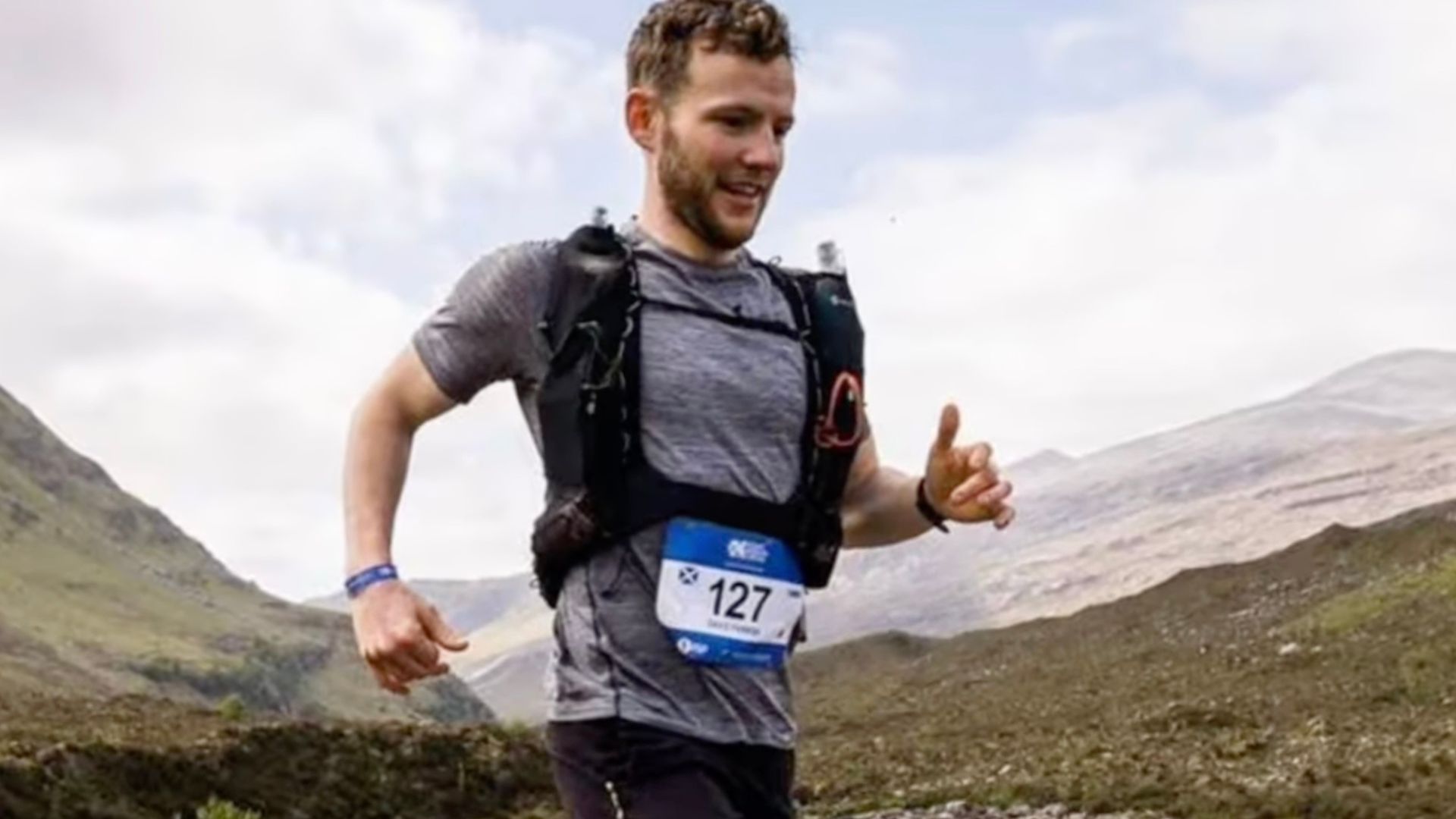
Ultramarathon Runner Dies During Attempt to Set New Continental Record
Ultramarathon running tests what the human body can handle over distances that stretch far beyond a standard marathon. David Parrish, a 35-year-old champion from Dumfries in Scotland, knew those limits well. A former Royal Marine, he had already won the Cape Wrath Ultra in 2023. Last week he headed out alone on the 234-mile Cape Wrath Trail, aiming to set the fastest known time from Fort William to the northwest tip of mainland Britain. He was found unresponsive in the remote Kintail area late on April 11. Police confirmed no suspicious circumstances, and the news hit the endurance world hard. His run was never just about speed. It carried deep personal meaning and highlighted the thin line between ambition and vulnerability in these extreme efforts.
The Demands of the Cape Wrath Trail

The Cape Wrath Trail winds through some of the wildest terrain in the Scottish Highlands. You cover 234 miles of rugged paths, river crossings, and exposed mountains with no support stations along the way. Weather shifts fast up there, and isolation means you handle every decision on your own. Parrish set out unsupported, carrying what he needed and relying on his experience to keep moving. Many runners consider it one of the toughest routes in Britain because it combines distance, elevation, and unpredictable conditions all at once. He had tackled it before, but this time the stakes felt higher than ever. The trail does not forgive mistakes, and even seasoned athletes find themselves tested in ways they cannot fully prepare for.
Parrish pushed through sections most people would never attempt solo. His background as a Royal Marine had taught him discipline and resilience, qualities that served him well on earlier ultras. Yet the Highlands demand more than fitness. Navigation, hydration, and energy management become critical when help sits miles away. His attempt reminded everyone watching that these routes strip away comfort and leave you facing the raw elements head-on.
David Parrish and His Ultrarunning Roots
David Parrish built his reputation through consistent performances in long-distance events. He stood out not only for his results but for the steady way he approached training and racing. Friends described him as warm-hearted and dedicated, someone who showed up fully for every challenge. After leaving the Marines he turned his focus to ultrarunning, where his natural endurance and mental toughness shone. Winning the Cape Wrath Ultra in 2023 marked a high point, proving he could compete at the top level on demanding Scottish terrain.
He often shared miles with his spaniel Munro, turning training runs into shared adventures. That connection to the outdoors fueled him. People who knew him saw a runner who balanced serious ambition with genuine enjoyment of the trails. His death has left those who trained alongside him searching for words. They remember a man who lived fully through movement and who inspired others to test their own boundaries without losing sight of why they run.
A Run Dedicated to a Lost Friend
Parrish chose this record attempt to honor his friend Luke Ireland, who died in 2014 while running. The two had shared a bond forged through miles and mutual respect for endurance sports. By taking on the Cape Wrath Trail, Parrish aimed to raise money for Scottish Mountain Rescue, the organization that helps keep people safe in the same kind of remote places he loved. The run carried that extra layer of purpose, turning personal grief into something that could help others.
He spoke openly about how the memory of his friend kept him motivated. The trail became more than a route; it turned into a way to keep Luke’s spirit alive through action. Supporters followed his progress, drawn to the story of friendship and resilience. In the days since, many have noted how deeply that dedication ran. Parrish showed that some runs matter for reasons that go far beyond finish lines or records.
The Circumstances of His Final Hours
Search teams located Parrish in the Kintail area around 10:25 p.m. on Saturday night. He had been moving through one of the more isolated stretches of the trail when contact stopped. Rescuers responded quickly once concerns arose, but the remote location added hours to any effort. Officials later confirmed there were no signs of foul play, though the exact medical cause has not been released publicly.
Events like this unfold fast in the Highlands, where cell service fades and weather can close in without warning. Parrish had prepared thoroughly, yet the trail still presented variables no runner can control entirely. His experience gave him an edge, but the outcome underscores how quickly conditions can change even for those who know the risks well. The running community continues to process the suddenness of it all.
Life Outside the Races
Beyond the trails, Parrish was weeks away from marrying his fiancée, Jade Lau. Their plans had been coming together, and friends recall how excited he sounded about the next chapter. He balanced training with everyday life, holding onto relationships that grounded him. The Marines had shaped his early years, teaching skills that later translated into his running success. People who spent time with him described a man who listened as much as he pushed himself.
He approached life with the same focus he brought to ultras. Family and friends filled his world with support, and he gave that support back freely. His death has rippled through those circles, leaving a noticeable gap. The stories now shared paint a picture of someone who lived with intention, whether on a mountain path or in quieter moments at home.
The Real Risks in Solo Ultrarunning
Solo record attempts on long trails carry built-in hazards that organized races often manage. You decide when to rest, what to eat, and how to navigate when fatigue sets in. The Cape Wrath Trail offers no aid stations or medical tents, so every choice lands squarely on the runner. Experienced athletes accept those terms, yet the reality can still catch even the strongest off guard. Parrish knew the route well, but the Highlands rarely hand out guarantees.
These efforts highlight broader questions about safety in unsupported ultras. Runners train for years to handle the physical load, yet mental focus and quick decision-making matter just as much when things go wrong. The community has long debated how to balance personal freedom with better preparation. Parrish’s case adds weight to those ongoing conversations without diminishing the drive that draws people to the sport.
How the Endurance Community Is Reacting
News of Parrish’s death spread quickly among runners across Britain and beyond. Many who had competed with him or followed his progress posted memories and tributes online. They described his steady presence and the way he encouraged others without seeking attention. Fundraising efforts tied to his attempt continue, with people donating in his name to Scottish Mountain Rescue. The response shows how closely knit the ultrarunning world can feel, even when distances separate everyone.
Tributes focus on his character as much as his achievements. Organizers of past events he entered have shared statements of condolence. The loss feels personal to those who understand the pull of long trails. At the same time, it has prompted quieter reflections on how to support athletes who chase these records while keeping safety in view. His story now sits alongside others that remind everyone of the human cost sometimes paid.
What His Attempt Leaves Behind
Parrish’s unfinished run has shifted focus from records to remembrance. The Cape Wrath Trail remains a benchmark for endurance, and his effort added another chapter to its history. People who run similar distances now carry his example with them, weighing ambition against the need for caution. His fiancée, family, and friends face the weeks ahead without him, holding onto the plans they once shared.
The broader lesson sits with anyone drawn to extreme challenges. You prepare as best you can, yet the mountains and miles still hold their own power. Parrish lived that truth fully. His story encourages reflection without taking away the respect for those who keep pushing boundaries. The trails will see more runners, but they will remember the one who gave everything on this particular stretch of Scotland’s wild north.

Asher was raised in the woods and on the water, and it shows. He’s logged more hours behind a rifle and under a heavy pack than most men twice his age.