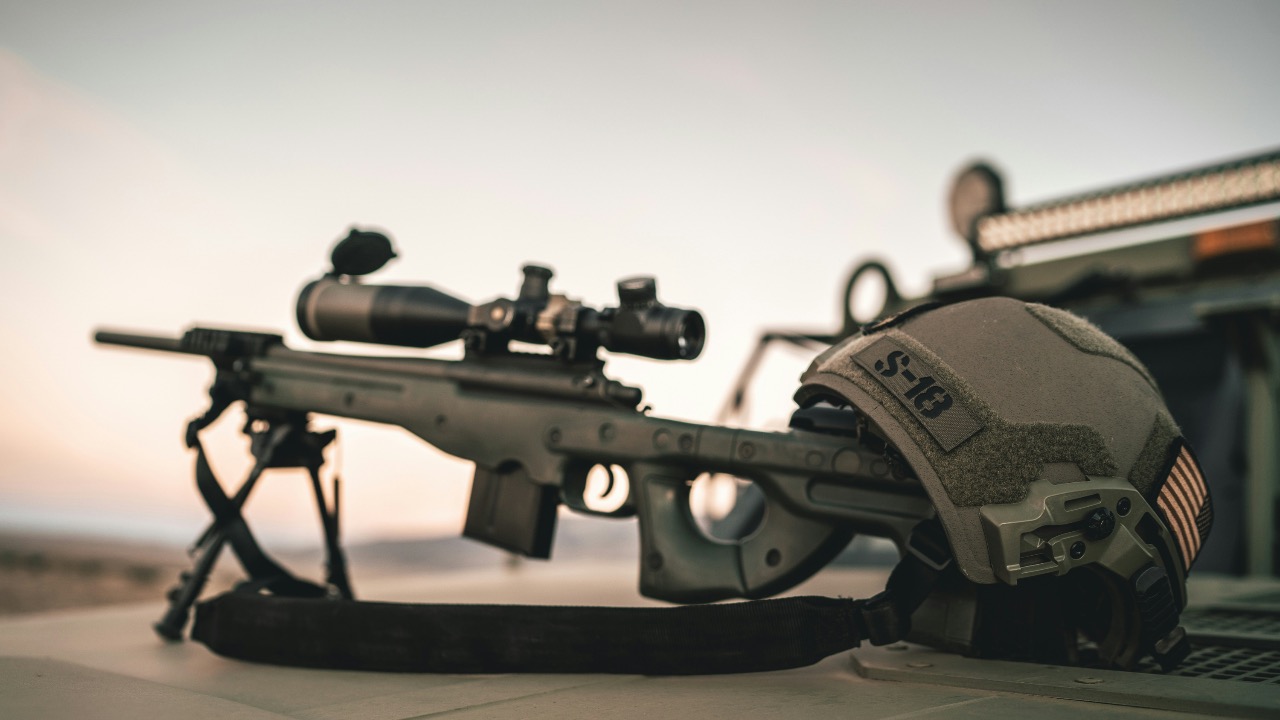
The used rifles buyers keep coming back to because they’re dependable
Used rifles that keep showing up in carts and on layaway slips tend to share a few traits: they run when it counts, they hit where they are pointed, and they do it year after year without drama. I see the same models praised by hunters, competitors, and casual plinkers because they have earned a reputation for dependability that survives changing trends and marketing cycles. From budget rimfires under $500 to classic hunting workhorses, the rifles buyers return to again and again are the ones that prove they can be trusted.
Why dependable used rifles keep selling out
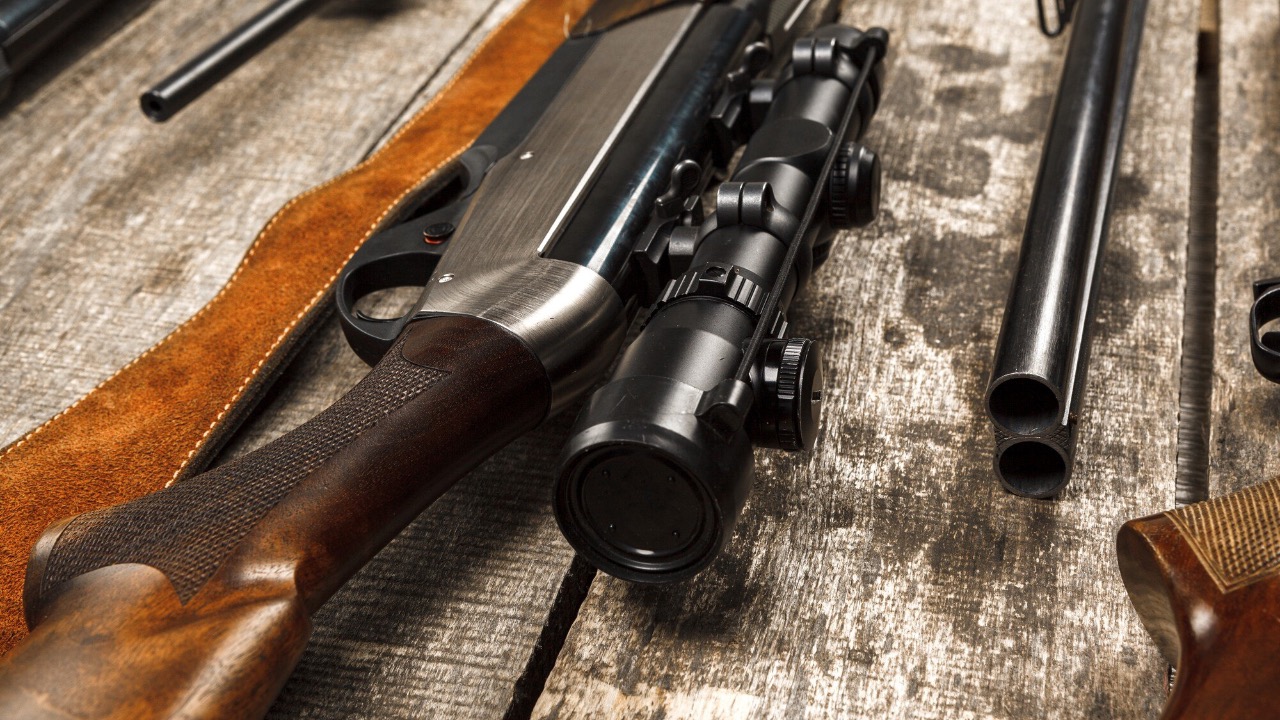
On the used rack, reliability and value show up as the two big drivers. Shoppers want a rifle that has already proven it can function in the field, and they want that performance at a meaningful discount from new prices. Guides and experienced hunters often point to rifles that have taken hundreds of animals without failing, because that kind of track record reassures the next owner that the gun will keep doing its job. A dependable rifle that has already survived hard use is often seen as a safer bet than a brand-new design that has not yet been tested outside the marketing brochure.
Budget pressure also shapes what buyers choose. Lists of the best used firearms under $500 focus on models that combine long service life with affordable parts and ammunition, because that combination stretches every dollar. When I talk to used buyers, they describe these rifles as tools, not trophies, and they care more about a smooth action and consistent groups than fancy engraving. That mindset explains why certain platforms, from classic bolt actions to semi-auto rimfires, keep cycling back through the market instead of disappearing into safes forever.
The Ruger 10/22 and the rise of affordable workhorses
Few rifles illustrate repeat-buy dependability better than the Ruger 10/22. Owners treat it as a training gun, a small-game rifle, and a camp companion, often passing the same gun between generations. When a shooter sells one, another buyer is usually waiting, because the design has decades of proof behind its simple blowback action and rotary magazine. That history of trouble-free use is why I see the same model pop up in conversations about budget rifles and camp guns at the same time.
Budget roundups that highlight the Ruger 10/22 as “Ultimate Rimfire Workhorse” for shoppers under $500 line up with broader data that identifies The Ruger 10/22 as the most popular rifle in the U.S. in 2025, credited for its reliability, modularity, and ease of use. That combination of low recoil and easy customization keeps buyers coming back for second and third copies, often in different configurations. I regularly see used racks where a well-worn Ruger sits next to a newer model with upgraded stocks or optics, and both move quickly because shooters know exactly what they are getting.
Hunting classics that refuse to die
In the hunting world, certain bolt actions have become shorthand for dependability, and that reputation carries directly into the used market. When I watch what serious hunters choose, I see them gravitate toward rifles that have already been dragged through rain, dust, and airline baggage handling without losing zero. Guides often keep a stable of such guns specifically so they can hand a client a backup rifle and trust it to work on a once-in-a-lifetime shot. That kind of confidence is hard to buy new, but it comes baked in when a model has decades of use behind it.
Lists of top hunting rifles to buy used consistently highlight the Weatherby Vanguard Series, positioning it as an option for shooters who are “Clamoring for” a Weatherby but cannot justify the cost of a Mark V. The same reporting describes the Weatherby Vanguard (Series 2) as utterly reliable and superbly accurate for the money, which is exactly the kind of endorsement that keeps these rifles moving briskly on consignment racks. When I talk to hunters who have owned multiple big-game rifles, many describe the Vanguard as the one they regret selling, which is why they often end up buying another used copy later.
Market data: what buyers actually pick
Beyond anecdotes, online sales data paints a clear picture of which used rifles buyers trust enough to purchase in volume. Breakdowns of the most popular used rifles show semi-auto platforms like the Ruger Mini-14 alongside bolt actions that have served hunters for generations. The mix shows that buyers are not locked into one action type, but they consistently reward models that blend reliability with familiar handling and widely available parts. The fact that the same names appear in both budget-focused and premium segments suggests that reputation carries more weight than price tag alone.
One analysis of used rifles under $800 highlights the Ruger Mini (listed as Used) and explains Why buyers see it as a smart pick, largely because it combines tactical utility with traditional styling and a track record of reliability. Another report on the top used rifles in November notes that Market Insights sections titled “Why These Rifles Ranked at the Top” and “Winchester Continues Its Seasonal Dominance” often point to The Winchester Model 70 as a perennial favorite among hunters, praised for its reliability and classic American design, with the number 70 itself becoming shorthand for a dependable bolt gun. When I scan those rankings, I see a common thread: rifles that have earned trust in the field keep landing near the top, regardless of whether they are chambered for .223 or a big-game cartridge.
Camp guns and survival standbys
When shooters talk about “camp guns,” they usually mean rifles that live hard lives in trucks, cabins, and tents, yet still have to work when a pest or predator appears on the edge of camp. In that role, used rifles with simple actions and forgiving finishes dominate. Owners are less concerned about a dinged stock and more focused on whether the gun feeds, fires, and ejects reliably after months of neglect. That is why I see older rimfires and lever actions with worn bluing still commanding attention when they show up on the used rack.
One survey of dependable camp guns singles out the Ruger 10/22 again, noting that There are many good reasons that millions of Ruger 10/22s have been sold, and that a well-used Winchester is a great choice for camp duty. Those comments echo what I hear from backcountry guides who keep a battered .22 LR or .30-30 behind the truck seat year-round. The gun may not look pretty, but it cycles smoothly and hits where it is aimed, which matters far more than cosmetic wear when a coyote or black bear wanders too close to the fire.
How experienced hunters judge a “trustworthy” used rifle
Dependability in the used market is not just about model names; it is also about how individual rifles have been treated. When I watch seasoned hunters evaluate a used gun, they move quickly past the surface finish and go straight to the action, bore, and bedding. They know that a rifle with honest wear but a clean, bright bore and smooth bolt is often a better buy than a glossy safe queen with hidden rust under the stock. That kind of evaluation skill lets them spot rifles that will keep running for thousands more rounds.
One detailed guide to buying a used rifle describes how Namibian PH Matheus Theofelus uses a well-traveled rifle that has “seen a lot of miles and laid low literally hundreds of game animals,” yet it is still reliable and trustworthy because it has been maintained properly. The same advice urges buyers to pick a rifle that would cost at least half again as much new, and to look for an action free of rust freckling and a straight stock, which matches what I see experienced shoppers doing on the used rack. Another technical resource on surplus rifles tells buyers to Look for cracks in the stock and to treat Bore Condition as a key factor, because the inside of the barrel is essential for accuracy. When I inspect used rifles myself, I follow the same checklist, knowing that a clean bore and smooth bolt are better predictors of future reliability than any sales pitch.
Why some owners sell dependable rifles anyway
One question I hear often is why such reliable rifles hit the used market at all. The answer usually has more to do with human behavior than mechanical failure. Shooters trade up to new calibers, shift from hunting to competition, or simply thin the herd to fund another purchase. A rifle can be sold not because it failed, but because the owner’s interests changed, which means the next buyer can inherit a perfectly dependable gun at a discount. Understanding that dynamic helps explain why the same proven models keep circulating.
One seasoned observer of second-hand firearm sales notes that “None of these is a bad reason to sell a gun,” and that Many shooters sell reliable rifles simply to finance another project or to try a different platform. That perspective matches what I see in consignment shops, where a lightly used Weatherby or Winchester often shows up next to receipts for a new build. For the buyer who values dependability, those sales are an opportunity to pick up a trusted design with most of its working life still ahead of it.
Pricing, resale trends, and the dependable-rifle premium
Dependable models do not just resell more often; they also tend to hold their value better. When I scan auction data and shop tags, I see certain rifles commanding a premium even with visible wear, simply because buyers know they are unlikely to be disappointed. That premium is especially clear in categories like military surplus and classic hunting rifles, where specific models have become benchmarks for reliability. As demand for those benchmarks grows, so does the willingness of buyers to pay for them.
Analysts who track gun prices point out that Collectible Military Gun have seen their values rise dramatically, especially for rifles with strong service reputations. A separate look at resale value trends by Dec author Diane Taylor notes that the firearm resale market is shaped heavily by condition and model popularity, which is another way of saying that trustworthy designs in good shape bring more money. When I compare tags on the rack, I routinely see a dependable model priced higher than a lesser-known competitor with similar specs, which confirms that buyers are willing to pay extra for a name they trust.
How I check a used rifle before trusting it
Even with a strong brand reputation, I never assume a used rifle is dependable until I have checked it myself. My process starts with verifying that the gun is unloaded, then working the action repeatedly to feel for grit, binding, or inconsistent lockup. I inspect the bolt face, extractor, and ejector for chips or heavy corrosion, since those small parts can make or break reliability. After that, I look at the stock and bedding for cracks or signs that the action has shifted under recoil, which can affect both accuracy and consistency.
For the barrel, I follow the same advice that online guides give when they say the barrel is critical to a firearm’s accuracy and performance, and that a worn barrel can ruin a deal. I shine a light down the bore to check for pitting, erosion, or an uneven crown, and I run a patch through to feel for rough spots. If I am buying online rather than in person, I ask for close-up photos of the chamber and muzzle, and I rely on the kind of tips outlined by how to spot a good deal on a used gun. When a rifle passes those checks and belongs to a model with a long-standing reputation, I feel comfortable calling it dependable enough to join the short list of guns buyers keep coming back to.

Leo’s been tracking game and tuning gear since he could stand upright. He’s sharp, driven, and knows how to keep things running when conditions turn.