What to Do When You Find a Baby Bird on the Ground
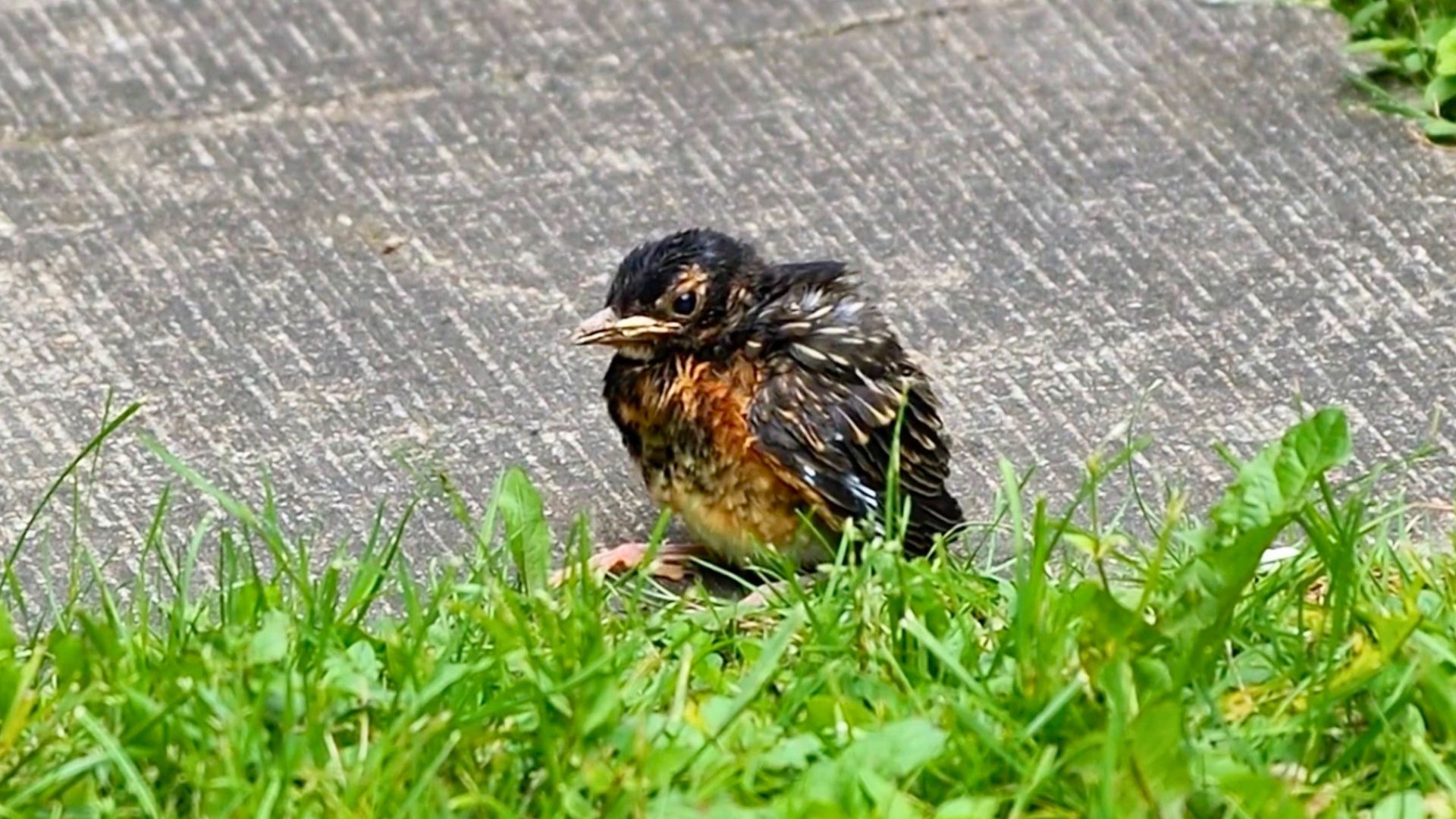
You’re walking outside and spot a small bird on the ground that doesn’t look ready to be there. It’s a situation that stops a lot of people in their tracks, especially when the bird is still feathered and moving but not flying. The first instinct is usually to “help,” but with baby birds, that can go wrong fast if you don’t understand what you’re looking at.
Most of the time, what you’re seeing is part of normal development, not an emergency. Birds leave the nest before they can fly well, and they rely on adults nearby to keep feeding them. Knowing the difference between a healthy fledgling and a true nestling in trouble matters more than anything else.
First figure out what kind of baby bird you’re looking at
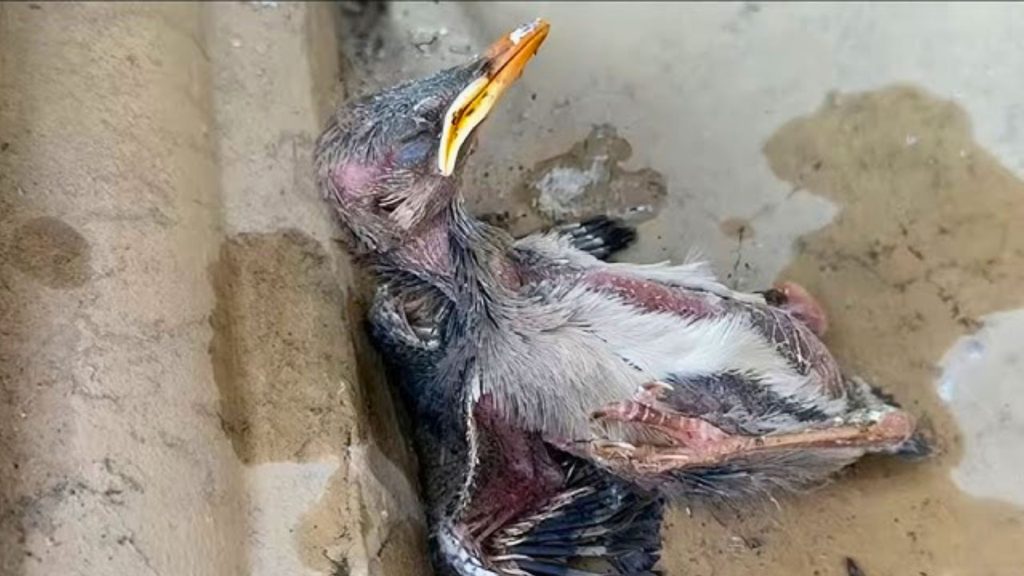
Not all baby birds on the ground are in trouble. A fledgling will usually have most of its feathers, may be hopping around, and can grip your finger or a branch. That bird is supposed to be outside the nest and learning how to survive.
A nestling looks different. It’s often mostly bare skin or soft down, with limited movement and no real ability to stand. If you’re seeing a nestling on the ground, it likely fell out or was pushed out too early. That’s the one that may need help. Misreading this stage is where most well-meaning mistakes happen, so take a minute before you act.
Look around for the nest before you do anything else
If the bird is a nestling or clearly too young to be on its own, your first move is to search for the nest. It may be close by, hidden in a shrub, tree, or even a structure like a porch.
If you find it and it’s intact, you can usually place the bird back inside. Parent birds don’t reject babies because of human scent, despite what people often think. Watch from a distance afterward. In many cases, the adults will return quickly. If the nest is destroyed or unreachable, that’s when you start considering other options.
Leave fledglings alone unless they’re in immediate danger
A fledgling on the ground often looks helpless, but it’s usually right where it should be. The parents stay nearby, feeding and guarding it while it builds strength.
Your role here is mostly to back off. The only time intervention makes sense is if the bird is in danger—like in the middle of a road, exposed to pets, or trapped in a hazardous spot. Otherwise, stepping in can do more harm than good by separating it from its parents. Nature handles this stage better than people can.
Keep pets and people away from the area
One of the biggest threats to a baby bird on the ground isn’t abandonment—it’s disturbance. Dogs, cats, and even heavy foot traffic can push parents away or put the bird at risk.
If you can, create a quiet buffer zone. Bring pets inside or leash them, and limit how often you check on the bird. Constant hovering can stress the adults enough that they delay returning. Giving the area space and calm conditions increases the odds the parents will resume care without interruption.
Don’t feed or give water to the bird
It’s a common mistake to try to feed baby birds bread, milk, or water, but their systems aren’t built for that. Aspiration and malnutrition can happen quickly.
Wild birds have very specific dietary needs depending on species and age, and feeding them the wrong thing can do real damage in a short time. If the bird truly needs help, feeding is something for trained rehabilitators, not field intervention. The safest move is to avoid putting anything in its mouth at all.
Know when to contact a wildlife rehabilitator
If the bird is injured, cold, or clearly orphaned with no nest nearby, that’s the point where professional help matters. Wildlife rehabilitators are trained to raise and release birds properly, and they’re usually the best chance for survival.
Look for local licensed rehab centers rather than trying to manage care yourself. Time matters here—especially for very young birds that can’t regulate temperature or feed themselves. Getting the bird into the right hands quickly gives it the best shot at making it back into the wild.
Understand that most baby birds don’t need rescuing
It can feel wrong to walk away, but most baby birds you see on the ground are part of a normal process. Fledging is messy, and it often happens in open view where it looks like something went wrong.
In reality, nature expects a certain level of loss and learning at this stage. The best help you can often give is distance. Once you understand what’s normal, you’ll find yourself stepping in less—and making better calls when it actually counts.

Asher was raised in the woods and on the water, and it shows. He’s logged more hours behind a rifle and under a heavy pack than most men twice his age.