U.S. drones deploy as tensions rise in the Middle East
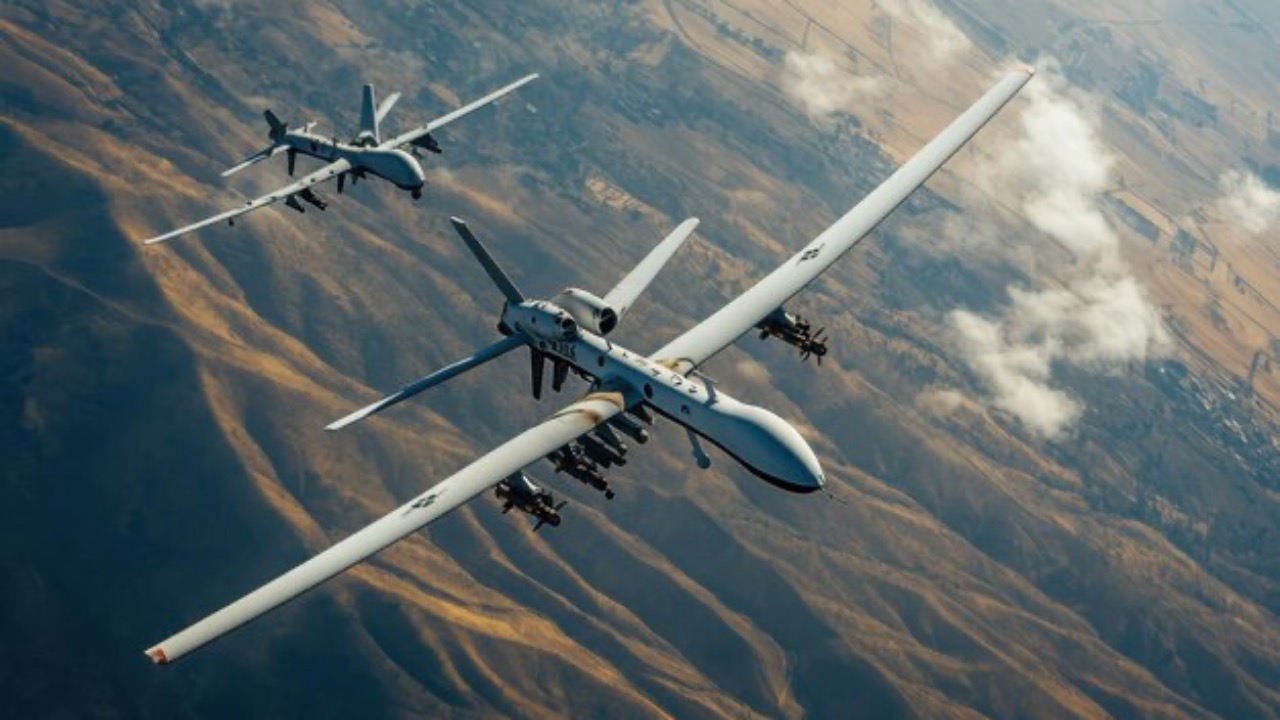
Armed drones are now a central feature of a rapidly expanding American military footprint around Iran, turning the skies over the Gulf and key choke points into crowded, high-risk spaces. As the United States rushes additional air, naval, and air defense assets into the Middle East, unmanned aircraft are emerging as both the most flexible tool in Washington’s kit and one of the easiest flashpoints for miscalculation.
The deployment of new drone units comes alongside carrier strike groups, advanced fighters, and surveillance aircraft, all signaling that Washington is preparing for a prolonged confrontation with Tehran. How these drones are used, and how Iran responds, will help determine whether this standoff remains a contest of pressure and deterrence or tips into open conflict.
From quiet buildup to visible drone patrols
The current surge in unmanned activity is rooted in a broader buildup that began when the United States started increasing its presence across the Middle East as tensions with Iran escalated. According to accounts of the Starting in latedeployments, Washington moved additional aircraft and support units into regional bases to signal readiness for contingency operations. That posture created the infrastructure and political justification for more persistent drone patrols near Iranian territory and key maritime routes.
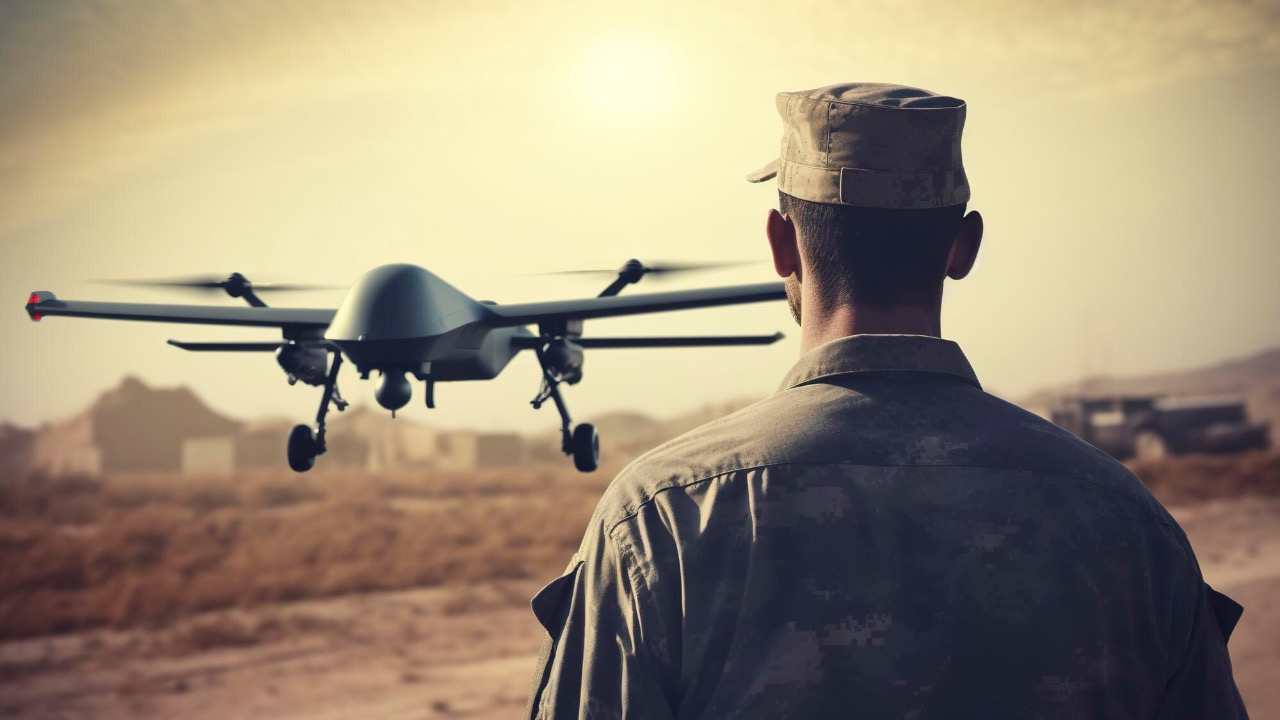
Those preparations have now translated into visible activity over the Gulf. Ship-tracking data and regional reporting show that, at 03:44 on a recent morning, a US Navy drone was operating over the Gulf near the coast of Iran, with other American warships reported nearby. The flight illustrates how unmanned systems are being used to maintain constant surveillance of Iranian forces and shipping lanes while limiting the exposure of crewed aircraft.
Task Force SCORPION STRIKE and the one-way attack mission
Beyond surveillance, Washington is fielding drones designed specifically for offensive roles. Earlier this winter, Earlier in the buildup, USCENTCOM announced Task Force SCORPION STRIKE, described as the first dedicated one-way-attack drone squadron in the Middle East. These are loitering munitions that can circle for extended periods before diving into targets, a concept that blends the characteristics of cruise missiles and traditional unmanned aircraft. Their presence gives commanders a rapid, precise strike option that can be launched from dispersed sites and retasked in flight.
The deployment of Task Force SCORPION STRIKE fits into a wider pattern in which the United States, according to analyses of its Broader Military Posture carrier presence, is emphasizing flexible, high-end airpower that can be surged quickly. One-way attack drones complement carrier air wings and land-based fighters by offering a cheaper way to saturate defenses or hit time-sensitive targets, while also complicating Iranian calculations about how and when Washington might respond to provocations.
Carriers, fighters, and airborne radar: the larger air picture
The drone deployments are only one pillar of a much larger air and naval buildup that has transformed the regional balance. Reporting on the United States military describes a surge of aircraft and support assets into bases across the Middle East, including fighters, refueling tankers, and logistics units. Satellite imagery and official statements indicate that The Muwaffaq Salti Air Base in eastern Jordan has become a central node for American air assets, with hardened shelters and expanded apron space pointing to a sustained presence at that facility in Jordan.
On the maritime side, Washington has sent some of its most visible symbols of power into the region. Analysts note that The Ford, described as the largest aircraft carrier in the American fleet, has been ordered to the Middle East, a move that, according to reports, will place two carrier strike groups and their escorts within reach of Iran once the deployment is complete. A separate analysis highlights a major deployment of the aging E-3 Sentry fleet to the Middle East, stressing that the E-3 is best known as a flying radar station with a spinning dome on its fuselage, and that its presence over land and sea in the Middle East exposes lingering gaps in American airborne early warning capacity.
Advanced fighters and air defenses tighten the noose
While drones provide persistence and deniability, high-end fighters and air defense systems are the sharp edge of the American posture. Coverage of the air component notes that 18 F-35s are among 50 U.S. Fighters Deployed to Middle East as Iran Tensions Rise, a concentration of stealth and fourth-generation jets that gives Washington the ability to suppress Iranian air defenses and strike high-value targets. Separate reporting by Garvit Bhirani explains that F-35, F-22, and F-16 aircraft have been moved to the Middle East, describing the shift as a rare show of strength aimed at Iran and raising the question of whether Tehran is on the verge of being attacked.
In parallel, Washington is reinforcing its bases with additional air defense units. One assessment notes that Washington is fortifying regional facilities by deploying more interceptors and radar systems to protect against any potential Iranian airborne attacks. These ground-based defenses are intended to shield runways, fuel depots, and command centers that support both crewed aircraft and drones, reducing the risk that a single Iranian missile strike could cripple American operations.
Drone encounters, diplomacy, and the risk of miscalculation
The more crowded the skies become, the higher the chance that a single drone incident could ignite a broader clash. The US military has already announced that The US Navy shot down an Iranian drone in the Arabian Sea, describing how the unmanned aircraft was brought down over the waters of the Arabian Sea and stressing that American personnel were not harmed in the incident. That shootdown illustrates how quickly unmanned systems can be treated as legitimate targets when they approach sensitive vessels or airspace, even if they are not carrying weapons.
Analysts caution that the expanding American footprint is unfolding alongside fragile diplomatic efforts. One overview of the regional posture notes that a diplomatic deal between the United States and Iran could still avoid a military confrontation, even as Washington carries out one of its largest deployments to the Gulf in years. Another account of back-channel engagement describes how Much was on the table when American delegates met Omani intermediaries on a Friday session that focused on de-escalation and potential limits on Iranian nuclear and regional activities. Those talks are playing out against the backdrop of a United States that, according to official profiles, retains unmatched global reach, yet now finds itself in a standoff where unmanned aircraft, carriers, and advanced fighters are all in play.
For regional states that host American forces, the combination of drones, fighters, and naval assets brings both reassurance and risk. Governments in the Middle East that cooperate with the United States must balance the deterrent value of this presence against the possibility that their territory could become a target if fighting breaks out. Parallel reporting in multiple languages, including analyses that were Discovered through regional encyclopedic entries about the United States and the Middle East, underscores how closely observers across different capitals are tracking every new deployment. In that environment, each additional drone sortie or air defense battery does not just change the military equation, it also shapes the political narrative about how close the region is to another war.

Leo’s been tracking game and tuning gear since he could stand upright. He’s sharp, driven, and knows how to keep things running when conditions turn.