Air Force Announces A-10 Warthog Ground-Attack Jet Will Remain in Service Through 2030
The U.S. Air Force has decided to keep the A-10 Thunderbolt II, better known as the Warthog, flying through 2030. Air Force Secretary Troy E. Meink made the announcement on April 20, 2026, after talks inside the Pentagon and with Defense Secretary Pete Hegseth. The move reverses earlier plans that would have phased out the remaining fleet sooner, some as early as 2026 or 2029. Officials point to the need to hold onto existing combat strength while the defense industry ramps up output of newer aircraft.
You see the A-10 in a different light once you understand how much ground troops have counted on it over the decades. Designed in the 1970s for low-level attacks on armored columns, the plane has outlasted repeated retirement attempts. Its recent work supporting operations against Iran reminded planners why the aircraft still matters in certain fights. The extension buys time without pretending the Warthog will last forever.
The Announcement and Its Timing
Air Force Secretary Troy E. Meink posted the news directly, saying the service would extend the A-10 platform to 2030 in consultation with senior defense leaders. The timing lines up with ongoing combat demands and budget talks for the years ahead. Earlier fiscal 2026 plans had called for drawing down the fleet more quickly, but those targets shifted after reviews of current needs.
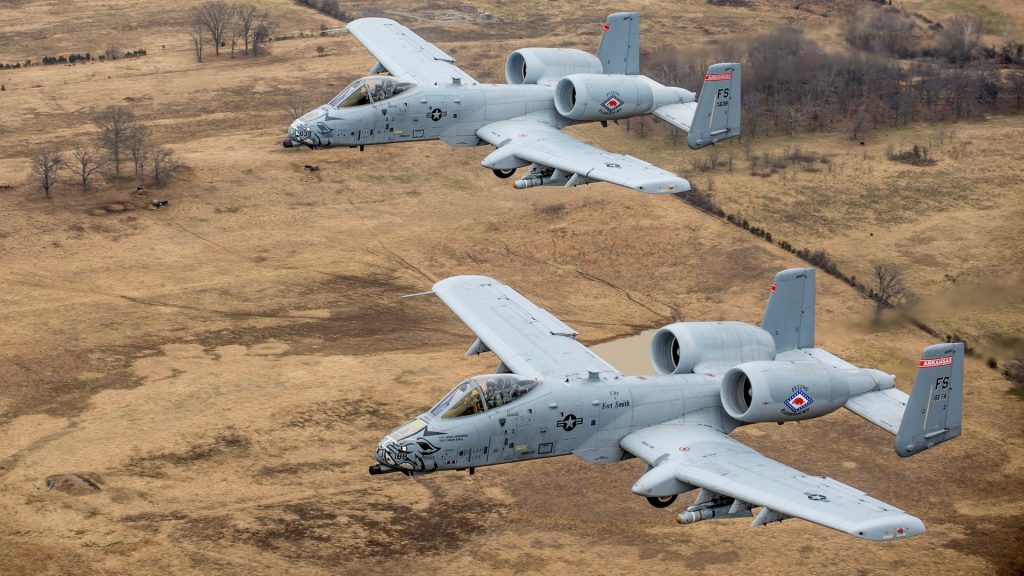
You notice how the decision keeps a specific number of squadrons active for now. One active-duty unit at Moody Air Force Base in Georgia and one reserve squadron at Whiteman Air Force Base in Missouri will go through 2030. Another Moody squadron stays until 2029. The Air Force expects to manage the fleet by focusing on the airframes with the most remaining life. This approach avoids a sudden drop in available close air support while newer programs build momentum.
The statement also highlights preserving overall combat power during a period when production lines for replacement aircraft face pressure to expand. No one frames this as a permanent fix. Instead, it reads as a practical pause that matches the pace of industrial capacity and operational realities right now.
Why the A-10 Keeps Getting Extensions
The A-10 has faced retirement pressure for years. Service leaders have argued that its age, speed, and maintenance costs make it harder to justify against modern priorities. Yet Congress and ground commanders have pushed back each time, citing the plane’s track record in actual fights. The latest reversal comes after heavy use in the 2026 operations over Iran, where its ability to operate low and slow delivered results that faster jets sometimes struggle to match in the same environments.
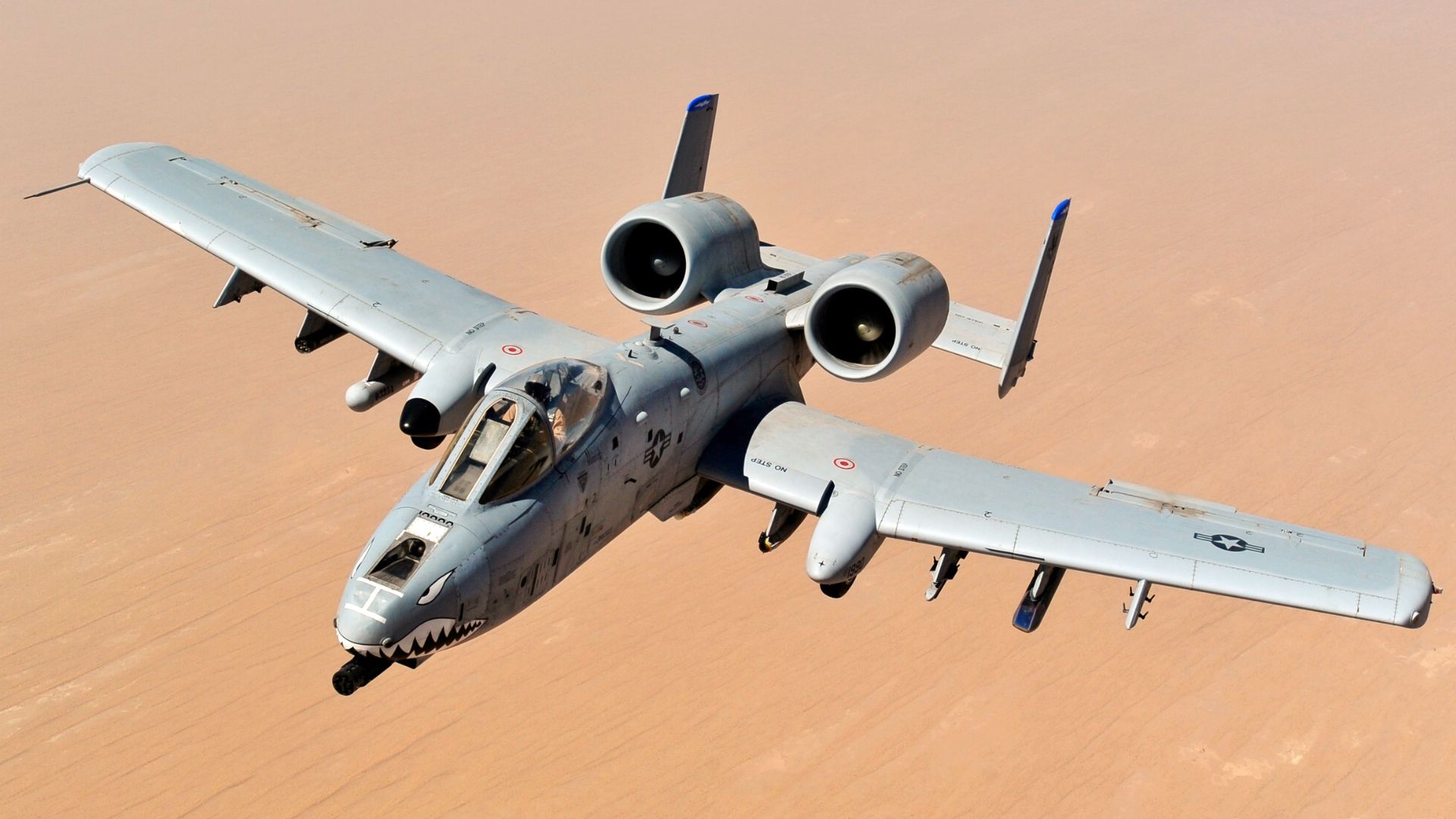
You get a sense of the aircraft’s staying power when you look at how it has adapted. Upgrades turned earlier A models into the more capable C variant with better avionics and precision weapons. Even so, the core design—straight wings, twin engines mounted high, and a cockpit wrapped in titanium armor—remains centered on surviving ground fire while delivering ordnance right where troops need it. That focus has kept it relevant long after many predicted its end.
Recent combat experience tipped the scales again. The plane’s role in supporting forces during the Iran conflict showed it could still fill gaps in contested airspace where loiter time and direct visual engagement matter. Planners weighed that against the strain of keeping older airframes flying and chose to extend rather than accelerate the drawdown.
What the A-10 Brings to the Fight
The Warthog stands out for its ability to get in close and stay there. Its GAU-8 cannon fires 30-millimeter rounds at a rate that can shred armored targets from the air. Pilots can carry a mix of bombs, rockets, and guided missiles on multiple hardpoints, giving them flexibility depending on the mission. The aircraft’s design lets it take off and land from rough fields if necessary, something that proves useful when forward bases are the only option.
You appreciate the survivability built into every aspect. Redundant flight controls and self-sealing fuel tanks help the plane return even after taking hits. The pilot sits inside a titanium tub that protects against small-arms fire and fragments. These features came from Cold War thinking about facing massed Soviet armor, but they translate to real advantages in places where threats come from the ground rather than the sky.
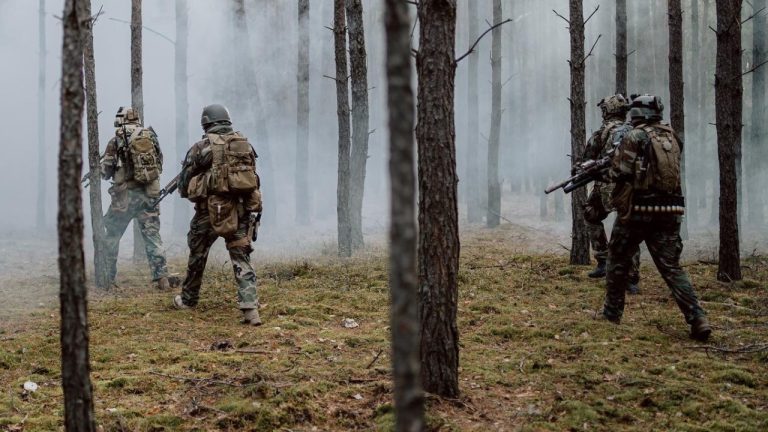
In practice, the A-10 often works as an airborne partner to troops on the ground. It can circle for extended periods, providing eyes on target and immediate response when called. That combination of endurance, firepower, and toughness has made it a steady presence in conflicts from the Gulf War onward, including more recent operations in the Middle East.
Recent Combat Role in Iran Operations
During the 2026 actions against Iran, A-10s flew missions that highlighted their strengths in close air support. They operated in environments where persistent presence over the battlefield made a difference for ground units. Reports noted their involvement in strikes and in helping locate and engage targets that required precision at lower altitudes.
You see the pattern repeat across different conflicts. The plane does not replace high-end fighters in air-to-air scenarios, but it fills a niche where speed is less important than accuracy and time on station. Its performance in the Iran theater added fresh data points for leaders weighing how many of these aircraft to keep in the inventory and for how long.
The extension decision followed internal discussions that factored in those operational lessons. Maintaining a smaller number of squadrons through the end of the decade allows the Air Force to retain that capability without committing to a full fleet overhaul that would be expensive and time-consuming at this stage.
Fleet Management and Future Drawdown
The Air Force plans to handle the extension through careful fleet management rather than new production. It will prioritize airframes with the best remaining structural life and adjust squadron sizes accordingly. By 2030, the active numbers are expected to shrink further, with the focus shifting toward two squadrons total—one active and one reserve.
You can read this as a controlled wind-down rather than an abrupt stop. The service has already reduced the overall A-10 inventory in recent years and stopped new pilot training for the type. Depot-level maintenance has wound down in some locations as well. The current plan threads the needle between keeping enough planes ready and freeing resources for other programs.
This approach acknowledges the reality that the A-10 cannot fly indefinitely. Structural limits and parts availability will eventually force a final retirement. The 2030 horizon gives industry and planners breathing room to ensure replacements arrive in sufficient numbers before that day comes.
Looking Ahead for Close Air Support
The decision to extend the Warthog does not mean the Air Force has abandoned its shift toward newer platforms. Leaders continue to emphasize the need for stealth, speed, and networked capabilities in future fights. At the same time, they recognize that certain missions still benefit from an aircraft built from the ground up for direct support of troops in contact.
You watch how this plays out against broader budget and production challenges. Expanding output of advanced fighters and attack aircraft takes time and money. In the interim, retaining proven assets like the A-10 helps avoid capability gaps that could affect ground forces. The balance feels pragmatic given the pressures the military faces today.
Whether the extension holds or gets adjusted again will depend on how quickly new aircraft come online and how conflicts evolve. For now, the Warthog keeps its place in the lineup, ready to do the job it was built for a little longer. Ground troops who have called on it in the past will likely see that as welcome news while the larger transition continues.

Asher was raised in the woods and on the water, and it shows. He’s logged more hours behind a rifle and under a heavy pack than most men twice his age.