The Yellowstone grizzly attack that shows why you should never hike unprepared
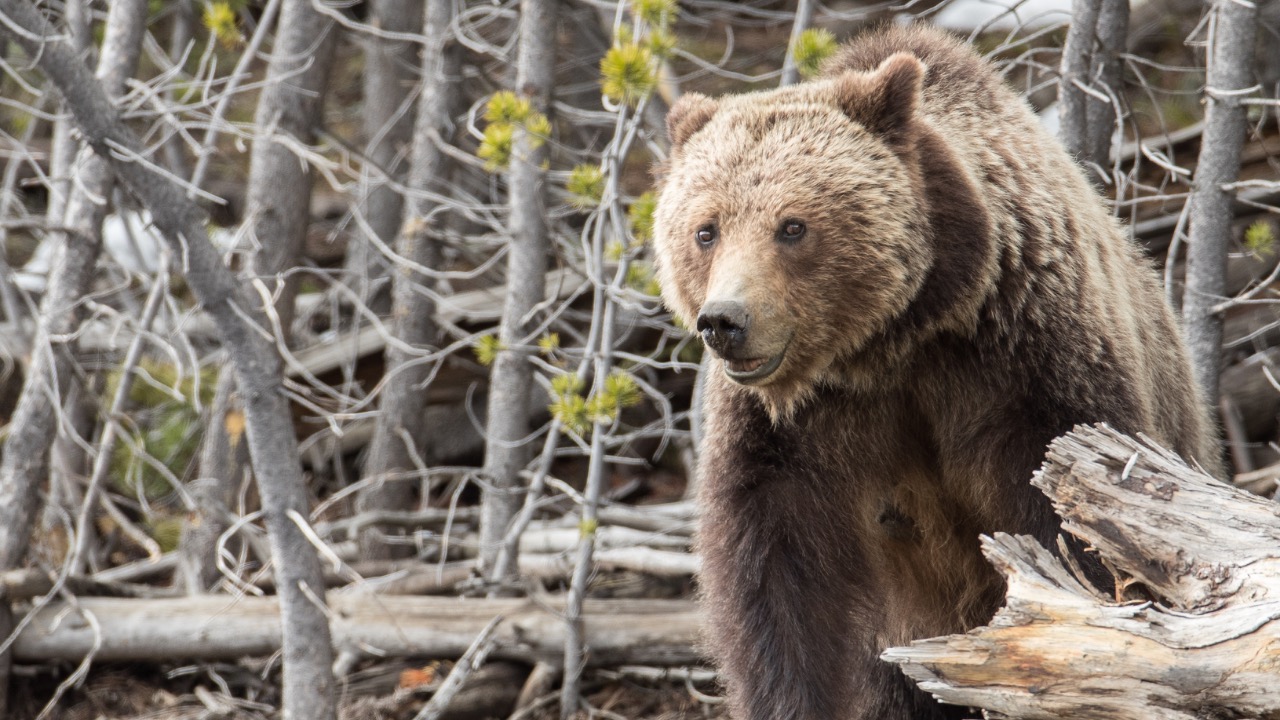
On a remote stretch of Yellowstone backcountry, a 29-year-old hiker did almost everything wrong that matters in grizzly country, yet survived because a few things went right. His encounter with a bear believed to be a grizzly turned a routine outing into a fight for his life and forced Yellowstone National Park to close a popular trail. The details of that attack read like a checklist of what every visitor should and should not do before stepping onto a wild trail.
The incident has already become a reference point for rangers and safety educators, not because it was the most dramatic attack, but because it illustrates how small lapses in preparation can compound in seconds. For anyone who hikes, hunts or fishes in bear habitat, the story is a real-world lesson in why gear, planning and behavior matter more than bravado.
What happened on the Turbid Lake Trail
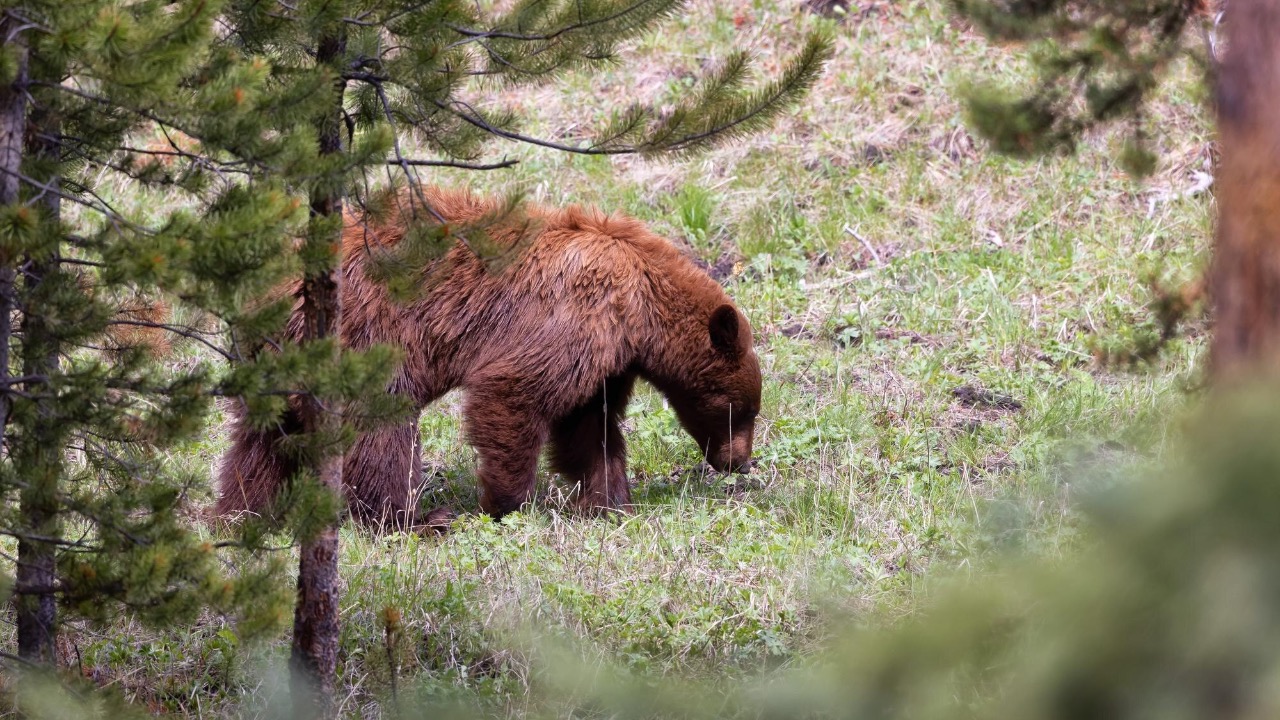
The hiker, a 29-year-old man, set out alone on the remote Turbid Lake Trail in Yellowstone National Park. According to park officials, he had been hiking by himself when he apparently surprised a bear believed to be a grizzly, turning a quiet afternoon into a violent confrontation in dense country near Turbid Lake. The route is popular with experienced hikers, but its remoteness means help is a long way off when something goes wrong.
Investigators later confirmed that the attack occurred approximately 2.5 miles from the trailhead, in an area where Grizzlies are known to defend carcasses and can react aggressively when startled. Park staff later found a carcass near the trail, which likely explained the bear’s defensive behavior and the speed of the charge.
In the seconds before impact, the hiker reached for his bear spray. Multiple accounts describe how he began to deploy the canister just as the animal made contact, leaving him little margin for error. The bear knocked him down and inflicted serious injuries before breaking off the attack, behavior consistent with a surprise defensive charge rather than a prolonged predatory mauling.
Inside the attack: seconds that decide survival
The most chilling part of the story is how quickly the situation escalated. The hiker was moving through habitat where visibility can be limited and where a bear focused on a food source may tolerate very little intrusion. As he encountered the animal and tried to use his spray, he sustained significant but non-life-threatening injuries to his chest and left arm, a pattern that matches what officials later described in several accounts of the incident.
One detailed summary noted that while trying to use bear spray, he suffered “significant but not life-threatening injuries to his chest and left arm,” a description that matches how officials described the outcome. The same injury pattern was echoed in another account that explained the hiker began to deploy bear spray when the bear made contact, and that he sustained significant but non-life-threatening wounds to his chest and left arm as a result of the brief but violent encounter.
Those injuries were serious enough to require hospital care, yet they also highlight how much worse things could have been if the bear had continued its attack. Defensive grizzlies often stop once they perceive the threat has been neutralized, which is why experts stress that playing dead and protecting vital areas can sometimes limit the damage. In this case, the combination of a defensive bear, partial deployment of spray and the hiker’s ability to shield himself likely kept the incident from becoming fatal.
How rescuers reached him and what happened afterward
Despite the trauma, the hiker stayed conscious and was able to call for help. National Park Service medics responded to the scene and reached him in the backcountry. According to one account, National Park Service helped him walk back to the trailhead, where he was transferred for further medical treatment and later released from the hospital.
Another detailed report described how the 29-year-old man was recovering after suffering significant but non-life-threatening injuries to his chest and left arm following the bear attack in Yellowstone National Park, which officials said was likely caused by a grizzly. A separate update explained that the 29-year-old man who was attacked inside Yellowstone National Park on Tuesday, September 16th, 2025 had been released from the hospital, confirming that his condition had stabilized after the initial emergency care.
Because the attack was defensive and likely linked to a carcass near the trail, park managers decided not to pursue lethal control of the bear. One account noted explicitly that because the attack was defensive, the park would not take management action against the animal, and that Grizzlies are known to defend carcasses, which can lead to sudden attacks when people approach too closely.
Yellowstone’s first bear attack in years
The Turbid Lake incident did not occur in isolation. It was Yellowstone’s first recorded bear attack in several years and immediately revived questions about visitor behavior in grizzly habitat. One analysis pointed out that the last bear attack in Yellowstone occurred in 2021 and also involved a solo hiker, and that Hiking in groups of three or more can help avoid surprise encounters and give people a better chance to respond before a bear closes the distance.
In response to the Turbid Lake attack, park officials temporarily shut down the trail to protect both visitors and wildlife. Coverage of the closure explained that park medics responded to the incident and assisted the hiker, whose injuries were non-life-threatening, and that the hiker was helped to the Turbid Lake area before being moved out of the backcountry. The closure highlighted how a single incident can ripple through visitor access and park operations when a grizzly defends a food source near a trail.
Beyond Yellowstone, the episode unfolded in the same season that a separate fatal attack near the park killed a backcountry guide. In that case, the agency involved reminded people traveling in grizzly country to move in groups whenever possible, to make noise and to carry bear spray in an easily accessible location, reinforcing the same safety themes that Yellowstone rangers emphasize every season.
What the hiker did right, and where he fell short
For safety experts, the Turbid Lake attack is a mixed picture. On one hand, the hiker carried bear spray and tried to use it, which aligns with long-standing guidance that spray is one of the most effective tools in a surprise encounter. On the other hand, he was hiking alone in a remote area with limited visibility, and he apparently surprised a bear near a carcass, which stacked the odds against him from the start.
Officials later summarized the sequence in a way that makes the stakes clear. A male, age 29, sustained injuries from a bear while hiking approximately 2.5 miles from the Pelican Valley Trailhead in the Pelican Valley, and the hiker began to deploy bear spray when the bear made contact, which limited but did not prevent his injuries. That description underscores how little time hikers have once a grizzly decides to charge.
The fact that he survived and was able to walk out with help suggests he had at least some familiarity with bear country practices, including carrying spray and not attempting to fight the animal hand to hand. Yet the decision to travel solo in an area with documented grizzly activity and to move quietly enough to surprise a bear near a carcass shows how even partial preparation can leave dangerous gaps.
What Yellowstone tells visitors about bears
Yellowstone National Park has spent years refining its bear safety messaging, and the Turbid Lake attack fits squarely within the scenarios rangers warn about. Official guidance on the park’s bear management pages explains that grizzly and black bears occupy large portions of the park and that visitors must treat every hike as if a bear could be just out of sight. The same material stresses that people should carry bear spray, know how to use it and keep it where it can be reached in seconds rather than buried in a pack.
The park’s broader bear information pages describe how bears use carcasses, berry patches and river corridors, and they outline the difference between defensive and predatory behavior. Defensive attacks are often tied to cubs or food sources and usually end quickly once the bear perceives the threat is gone. Predatory incidents are rarer but more prolonged and require different responses. Yellowstone’s home page and safety sections consistently remind visitors that they share the landscape with large carnivores and that the responsibility for safe behavior starts long before a boot hits the trail.
How to actually prepare for grizzly country
The Turbid Lake attack has already become a case study in what thorough preparation should look like. Experts point to several key steps that go far beyond tossing a can of spray into a backpack.
- Travel in groups. Multiple sources emphasize that hiking in groups of three or more reduces the chance of surprising a bear and gives people more eyes and voices to detect wildlife. Yellowstone’s own materials and independent analyses of past attacks both reinforce this point, especially for routes like the Turbid Lake Trail that cut through prime grizzly habitat.
- Carry bear spray where you can reach it. The agency that investigated the fatal guide attack near Yellowstone reminded people to carry bear spray in an easily accessible location, not buried in a pack. Holsters on hip belts or chest straps allow hikers to draw the canister in one motion, which can be the difference between deploying a full cloud of deterrent and only partially triggering it as the bear makes contact.
- Make consistent noise. Guidance tied to the Turbid Lake closure urged visitors to keep an eye out for signs of bears nearby, such as fresh tracks, scat and sites where the animal has tried to find food, and to make noise as you hike so wildlife hears you coming. One advisory put it simply: Keep an eye for bear sign and Make noise as you hike, especially in dense vegetation or near running water where sound does not travel as far.
- Read the landscape. Yellowstone’s bear pages urge visitors to recognize carcass sites, diggings and heavily used game trails. The Turbid Lake case involved a carcass near the trail, which likely triggered the bear’s defensive response. Hunters and anglers are especially encouraged to scan for scavenging activity and to give carcasses a wide berth.
- Pair hiking gear with survival gear. Standard day-hike equipment like water, layers and navigation tools should be paired with survival gear suited for bear country. That means a tested can of bear spray, a first aid kit that can handle deep lacerations, a satellite communicator in areas without cell coverage and knowledge of how to use each item under stress.

Leo’s been tracking game and tuning gear since he could stand upright. He’s sharp, driven, and knows how to keep things running when conditions turn.