Barron Trump’s Automatic Military Registration Draws Backlash Amid Rising Global Conflicts
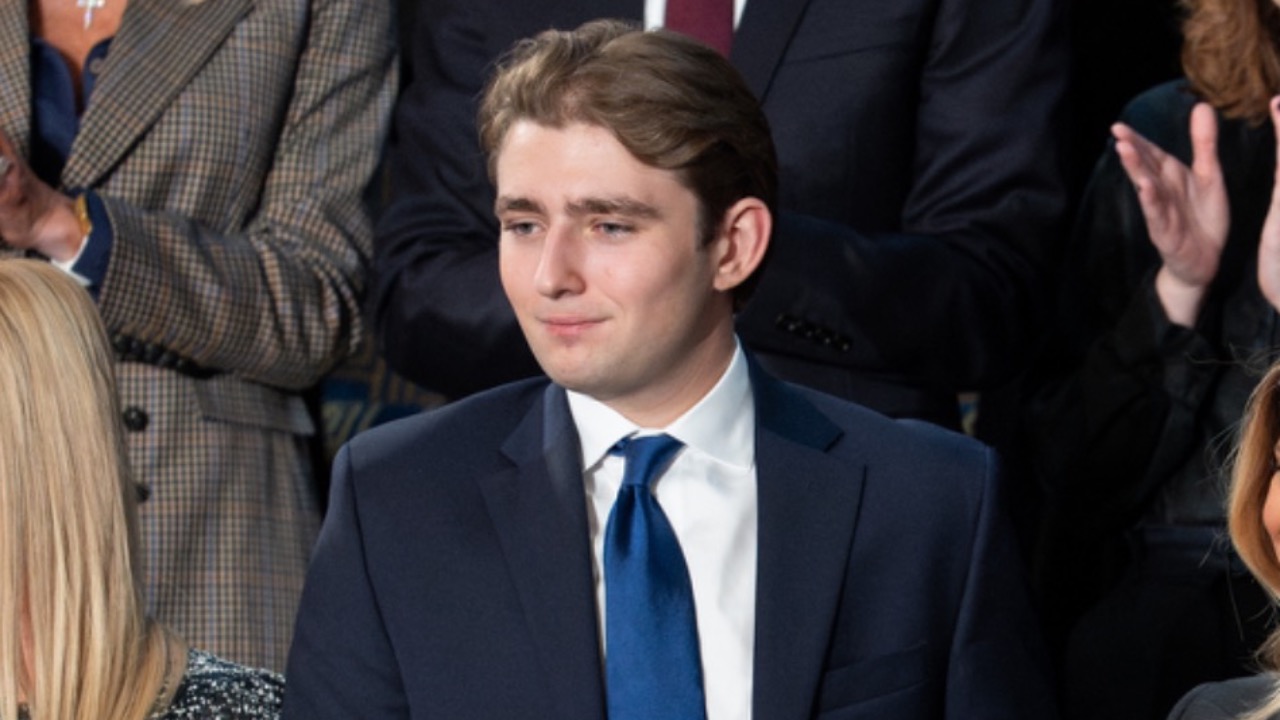
The announcement that the Pentagon will automatically register young men for Selective Service starting in December 2026 has pulled Barron Trump squarely into the national conversation. At 20 years old, the president’s youngest son now falls under the same system that applies to millions of other American men his age. This change, tucked into the defense policy bill signed late last year, shifts from self-registration to automatic enrollment drawn from federal databases. It arrives as tensions simmer in several parts of the world, from ongoing fighting in Ukraine and the Middle East to concerns over potential flashpoints involving China and Taiwan. Many people see the timing as more than coincidence, especially given the family’s high profile.
You notice the reactions online and in commentary right away. Some view the policy as a straightforward administrative update meant to streamline a long-standing requirement. Others treat it as a test of fairness at the highest levels, with questions about whether the first family shares the same obligations everyone else does. The debate has grown louder amid reports of U.S. military actions in places like Iran and Venezuela, even as no actual draft exists today. The registration simply keeps the pool ready if Congress and the president ever decide one becomes necessary.
The Shift to Automatic Registration
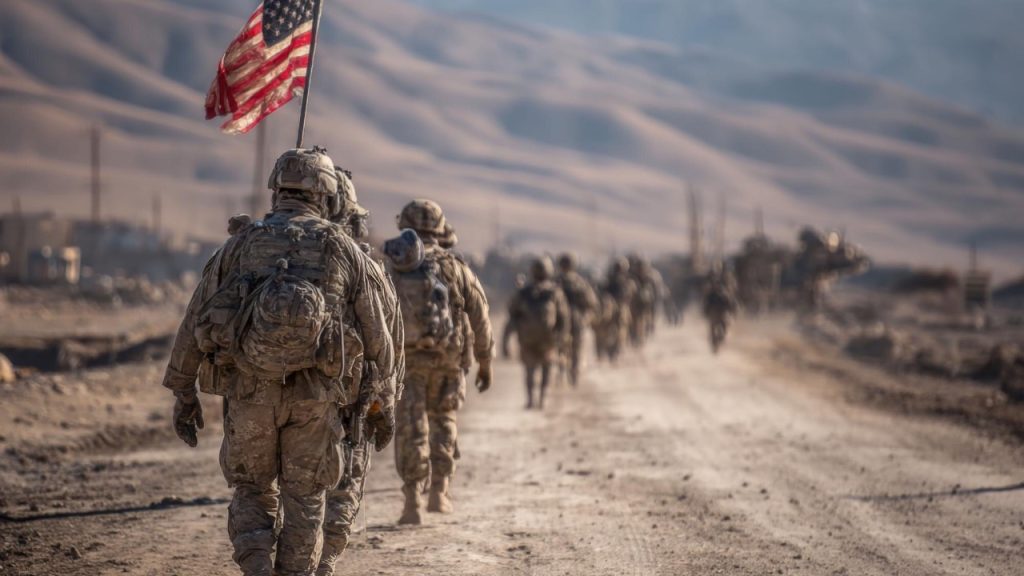
The Selective Service System has kept records of draft-eligible men since the draft ended after Vietnam. Until now, most males had to register themselves within 30 days of turning 18, with penalties for failing to do so that could affect student loans or federal jobs. The new approach pulls information directly from government records, so eligible men no longer handle the paperwork themselves. Officials say this will cut costs on reminders and improve accuracy across the board.
Barron Trump turned 18 during his father’s previous time in office and would already have been subject to the old rules. Under the updated system, his information gets added automatically along with everyone else’s in the 18-to-26 age range. Supporters call it modern and efficient. Critics point out that it happens while the administration manages active military engagements abroad, which raises the stakes for families watching their own sons get registered.
Public Reactions and Social Media Trends
You see hashtags and memes spread quickly once the policy gained attention. Phrases urging fairness circulate alongside calls directed specifically at the president’s son. Former public figures, including veterans, have weighed in publicly, suggesting that leadership families should demonstrate the same commitment they ask of others. Some Trump supporters push back, arguing the focus distracts from larger security needs.
The conversation often circles back to equity. Parents whose sons face the same registration wonder aloud whether exceptions will quietly apply at the top. Social platforms amplify personal stories from military families alongside speculation about the Trump household. Even without a draft in place, the symbolism lands hard when casualties from recent operations make headlines.
Family History and Military Service
Donald Trump received multiple medical deferments during the Vietnam era and has spoken about his own lack of service over the years. No immediate family members from his previous marriages served in the armed forces either. That background sits in the background as people discuss the current registration rules. Barron, now a college student focused on business studies, has not made public statements about enlisting.
The absence of prior service in the immediate family becomes part of the broader talk. Observers note that many presidents across parties have sent relatives into uniform during past conflicts. Others argue that holding one young man to a different standard misses the point of a universal system designed for national emergencies, not personal choices.
Height and Potential Exemptions
At around 6 feet 9 inches, Barron Trump exceeds the current Army height limit for enlistment, which sits at 6 feet 8 inches. That physical detail has fueled separate speculation about whether he could even serve if a draft were activated. Military branches set standards for a reason, including equipment compatibility and safety considerations in the field.
Still, registration itself carries no height requirement. The Selective Service simply tracks eligibility. Any future draft would involve medical screenings and classifications that could account for factors like height. For now, the automatic process puts his name in the system like any other qualifying man, without immediate consequences beyond the legal record.
Global Conflicts Shaping the Debate
Tensions remain high in several regions. Russian forces continue operations in Ukraine, with periodic escalations affecting energy infrastructure and civilian areas. In the Middle East, U.S. involvement in responses to Iranian actions and related strikes has led to American casualties. Concerns also linger over Chinese military activities near Taiwan, including drills that test regional responses.
These developments make the registration update feel more immediate to many Americans. When news of troop movements or attacks appears, questions about who might eventually fill any expanded force grow sharper. The policy does not create a draft, but it keeps the mechanism ready during a period when international stability looks fragile on multiple fronts.
Questions of Fairness in Leadership
You hear variations of the same point repeated in interviews and opinion pieces: if the country faces real risks abroad, the burden should fall evenly. Some mothers at political events have said their own sons deserve to see the president’s family held to identical rules. Others frame the discussion as political theater that overlooks how Selective Service has operated quietly for decades.
The administration has not signaled plans to reinstate conscription. Officials emphasize that registration serves as preparedness, not mobilization. Even so, the visibility of Barron Trump’s name in the system has turned an administrative change into a proxy argument about privilege, sacrifice, and consistency at the top of government.
What Registration Actually Means Today
Automatic enrollment does not mean anyone gets called up. The United States has relied on an all-volunteer force since 1973, and maintaining that approach remains the stated preference. The database exists as a contingency for true national emergencies, when Congress would have to authorize any actual draft and set its terms.
For most young men, including those in the Trump family, the process stays in the background. It may affect certain federal benefits or jobs if ignored under the old system, but the new automatic method removes that personal step. The real weight comes from the wider context of global instability, where preparedness discussions suddenly feel relevant again.
This situation leaves plenty of room for continued debate as events unfold. The policy stands as a technical adjustment on paper, yet it has exposed deeper feelings about shared responsibility when the world looks uncertain. How the conversation evolves will likely depend on developments overseas and the choices made closer to home.

Asher was raised in the woods and on the water, and it shows. He’s logged more hours behind a rifle and under a heavy pack than most men twice his age.