
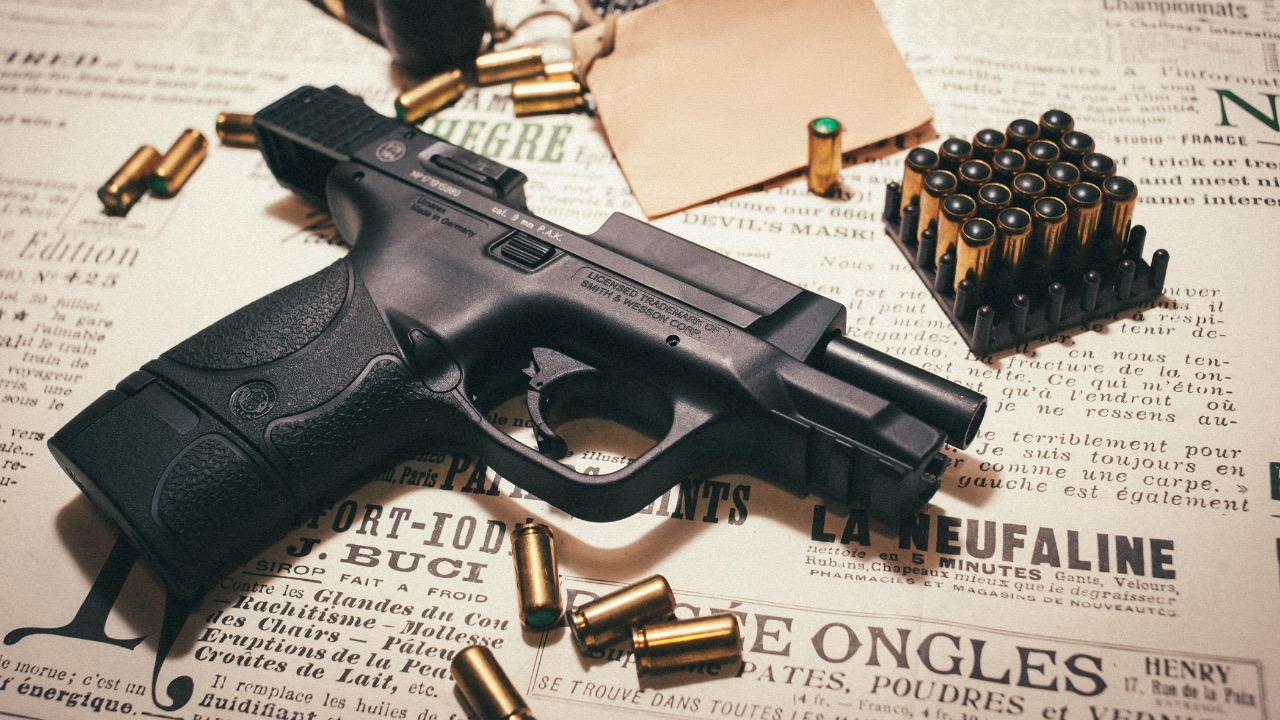
The truth about overpenetration in home defense scenarios
When people start talking about guns for home defense, the word “overpenetration” shows up fast, usually followed by horror stories about bullets sailing through walls and hitting someone in the next room or even the next house. The risk is real, but the way it gets discussed online often has more fear than physics behind it. The truth is more nuanced, and if you understand how bullets behave in real structures, you can pick gear and tactics that protect your family without being paralyzed by worst‑case scenarios.
I have spent a lot of time looking at how different loads perform in drywall, how real shootings play out, and how experienced shooters set up their homes. Once you strip away the myths, you find two big truths: most common defensive rounds will go through interior walls, and the bigger danger is a complete miss, not a bullet that exits a bad guy. That sounds scary, but it is something you can plan around.
What “overpenetration” really means inside a house

In plain language, overpenetration is when a bullet goes through what you meant to stop it, then keeps traveling with enough energy to hurt someone or damage something you care about. In a home defense context, that might be a round that passes through an intruder, through drywall, and into a child’s bedroom or a neighbor’s apartment. As one detailed breakdown of home defense ballistics points out, over‑penetration in a home defense situation can cause more harm than the original threat, especially when your family is in the same structure and you are responsible for every round you fire, whether it hits or misses the attacker or not, which is why serious trainers treat it as a planning problem rather than an abstract debate about calibers and gear, and why careful testing of home defense overpenetration matters.
Inside real houses, bullets do not behave like movie lasers. They yaw, tumble, break apart, and lose steam as they punch through studs, furniture, and insulation. Yet they still travel farther than most people expect. A widely shared set of wall tests, summarized in a handy graphic, showed that typical interior construction with drywall and wood studs does very little to stop common handgun and rifle rounds, and that Insulation in walls seems to make very little, if any, difference in penetration of the rounds tested. That is the uncomfortable baseline: if you fire a gun indoors, you should assume that round can go through multiple rooms unless it hits something solid like a major appliance or a brick exterior wall.
Myths, internet arguments, and what data actually shows
Spend five minutes on gun forums and you will see two camps yelling past each other. One side insists overpenetration is the main reason to avoid rifles or “too much gun” in the house, while the other claims it is a made‑up fear that keeps people from using effective tools. A detailed look at defensive shootings from a veteran trainer argues that, to the best of his knowledge, there has never been a documented case where a homeowner shot a bad guy in justified self defense and the bullet then went on to kill an innocent person in another room, and he uses that record to argue that the panic over overpenetration is largely misplaced, while still reminding readers that bullets are not infinite laser lines and that you are responsible for every shot, a point he drives home when he writes To the best of my knowledge, there has never been a documented case where a homeowner shot a bad guy in justified self.
On the other hand, people who have actually shot through walls, or watched bullets zip through multiple rooms in training, know that the risk of a stray round is not theoretical. In one school shooting discussion, a commenter bluntly notes that many walls do not stop bullets, a shooter does not have to get in the room to kill, which lines up with what range tests in typical drywall construction keep showing. The truth lives between those poles: the statistical record of a bullet passing through a criminal and then killing a bystander in a home is extremely thin, but the physics of rounds sailing through interior walls is very real, and you ignore that at your family’s risk.
How different calibers and loads behave in real structures
Caliber debates tend to generate more heat than light, but there are some grounded points worth paying attention to. A detailed comparison of 9 mm and 45 ACP notes that the 9 mm Luger has approximately half the Recoil of the 45 ACP, which makes it easier for many shooters to control, and that is undeniably a distinct advantage over the 45 ACP when you are trying to make fast, accurate hits under stress, even though the fact that the 45 ACP is a larger and heavier bullet means it is more likely to pass through its target, a tradeoff that matters when you are thinking about home defense and concealed carry in tight spaces with family nearby.
At the other end of the spectrum, some people look at .22 LR as a “safe” option because it is small and soft shooting. A careful review of rimfire for self defense makes it clear that no cartridge is perfect, and that 22 self defense rounds come with notable limitations, and while the .22LR can be effective, it struggles with penetration through heavy clothing or barriers, especially at distance, which is why the author cautions against relying on it as a primary stopper even though it may penetrate fewer walls than a centerfire handgun, a point driven home in the line that begins No cartridge is perfect. On the rifle side, a Tennessee commentary on gun policy notes that a 9 mm bullet will go through a human liver while An AR‑15 (AR‑15s) bullet will destroy a liver, and that An AR‑15 (AR‑15s) is more lethal than most handguns and is easier to shoot rapidly, which is why some homeowners like the control and capacity of a carbine even as they accept that a centerfire rifle round can be devastating inside a house, a reality that piece spells out in the line that starts A 9mm bullet will go through a.
Handguns, shotguns, and rifles: what really happens indoors
There is a persistent belief that shotguns are “safe” indoors because the pellets supposedly lose steam quickly and will not go through walls. Reality is more complicated. A detailed look at home defense scatterguns points out that, yes, the shotgun is a powerful firearm, but there are myriad factors that go into determining its effectiveness, and that Reality, Yes, the shotgun is a powerful firearm, but there are myriad factors that go into determining its effectiveness, including load choice, patterning, and recoil management, all of which affect both stopping power and the risk of sending stray pellets through drywall, which is why that guide on home defense shotgun myths and realities spends so much time on pattern size and pellet selection instead of repeating the old “just rack it” clichés.
Rifles and pistols bring their own tradeoffs. A technical breakdown of indoor ballistics notes that as you climb the ladder from .22 LR to magnum handgun rounds to centerfire rifles, penetration through common barriers tends to increase, and that the little .22 LR is lethal and offers high sectional density and great penetration, while lead bullets can behave differently from jacketed ones in drywall, which is why the author warns that you should not count on any round to magically stop in a single wall and urges shooters to understand that Common Myths about “safe” calibers indoors are often wrong. On the practical side, one seasoned poster in a long‑running handgun discussion flatly states that he does not think it is even a concern with pistol caliber rounds in typical home defense distances, but then immediately adds that the real problem is when you have friendlies downrange and you are forced to shoot with loved ones behind or near the threat, a tension he lays out in a thread that includes the line Posted November 30, 2011 when you have friendlies downrange.
Ammo design, “magic bullets,” and what actually helps
Once people accept that walls are not bulletproof, they often go hunting for a magic load that will stop a threat but somehow refuse to go through drywall. That product does not exist. What you can do is pick ammunition that is designed to expand and dump energy in soft tissue instead of acting like a drill bit. A straightforward explanation of defensive ammunition notes that personal defense ammo means that whenever a hollow point self defense round hits an intruder, the bullet is designed to expand, slow down, and transfer energy, which both increases its ability to stop the threat and reduces the odds that it will exit with enough velocity to keep traveling through multiple rooms, a tradeoff that piece spells out in the line that begins What does this mean.
There are also specialty loads marketed specifically as being less likely to go through walls, often using lighter, faster bullets that fragment quickly. A detailed guide to home defense ammunition that will not go through walls points out that the problem is that not all ammo is created equal, and that some loads are much more likely to zip through drywall and keep going, which is especially concerning if you live in an apartment, and that the truth is, you do not have to settle for dangerous over‑penetration if you are willing to choose purpose built rounds, a point that guide makes when it introduces The Best Home Defense Ammo That Wont Go Through Walls. Even then, you still have to assume that a clean miss can travel a long way, which is why ammo choice is only one piece of the puzzle.
Angles, backstops, and why misses matter more than pass‑throughs
When you look at real incidents and range tests, a pattern jumps out: the rounds that hurt people you did not intend to shoot are usually complete misses, not bullets that went through an attacker. That is why serious home defense planning starts with where you stand, what angles you use, and what is behind your target. One thoughtful breakdown of indoor tactics reminds readers that every window and door is a point of ingress for an assailant and urges homeowners to figure out where you will post up, where your lines of fire are, and what is behind those lines, stressing that there is not a magical caliber that will not go through walls and that mapping your house and staging your defense is all you can do, really, a mindset laid out in the thread that includes the line There isn’t a magical caliber that will not go through walls.
Planning also means thinking about where your family will move if something goes bump in the night. A practical guide to avoiding over penetration in home defense scenarios urges readers to Build Your Plan and go Back to Basics by identifying safe rooms, teaching family members to move to those spots, and positioning yourself so that your shots, if they are required, are directed into known backstops like exterior walls or heavy furniture, while also warning that for all of their pros, rifles and shotguns can still send pellets or bullets through multiple layers of drywall and that a clean miss is very high risk in a crowded home, a point that guide makes when it tells readers to Build Your Plan and go Back to Basics. The more you can funnel any potential fight into a hallway or a room where you know what is behind your target, the less you have to rely on luck.
Rifles in the hallway, neighbors on the other side, and a realistic risk picture

Many gun owners like the idea of a rifle for home defense because of its capacity, ergonomics, and ease of mounting lights and optics, but they worry about punching through multiple houses. A thoughtful post on integrating a carbine into home defense points out that if you are planning to integrate a rifle into home defense, then there are things to consider, including the fact that the highest chance of sending a round into an unintended area comes from a miss, not a bullet that has already hit the attacker, and that as long as you are aware of your backstop and do not shoot toward rooms where your family sleeps, you can manage the risk, advice that is laid out in a discussion that notes that as long as you are aware of your backstop you can move from side to side to change angles, a point captured in the line that begins As long as you’re paying attention to what is behind your target.
At the same time, people who live in apartments or townhouses have to accept that their neighbors are only a few layers of drywall away. A detailed home defense overpenetration study notes that over‑penetration in a home defense situation can cause more harm than the original threat when you share walls with other families, and that you should factor in your building’s layout, the thickness of your walls, and the location of neighbors when choosing both firearms and ammunition, a point that guide makes when it walks through how over penetration can harm your family in your home. In that environment, a shorter carbine with controlled, purpose built defensive ammo, or a handgun with quality hollow points, combined with strict control of angles and a clear plan for where your loved ones will be, often makes more sense than obsessing over caliber charts or chasing a mythical “safe” bullet that will somehow ignore drywall but still stop a determined attacker.

Asher was raised in the woods and on the water, and it shows. He’s logged more hours behind a rifle and under a heavy pack than most men twice his age.


