Close Calls With Wolves and Coyotes Rise Among Hunters, Raising Alarms About Changing Predator Behavior
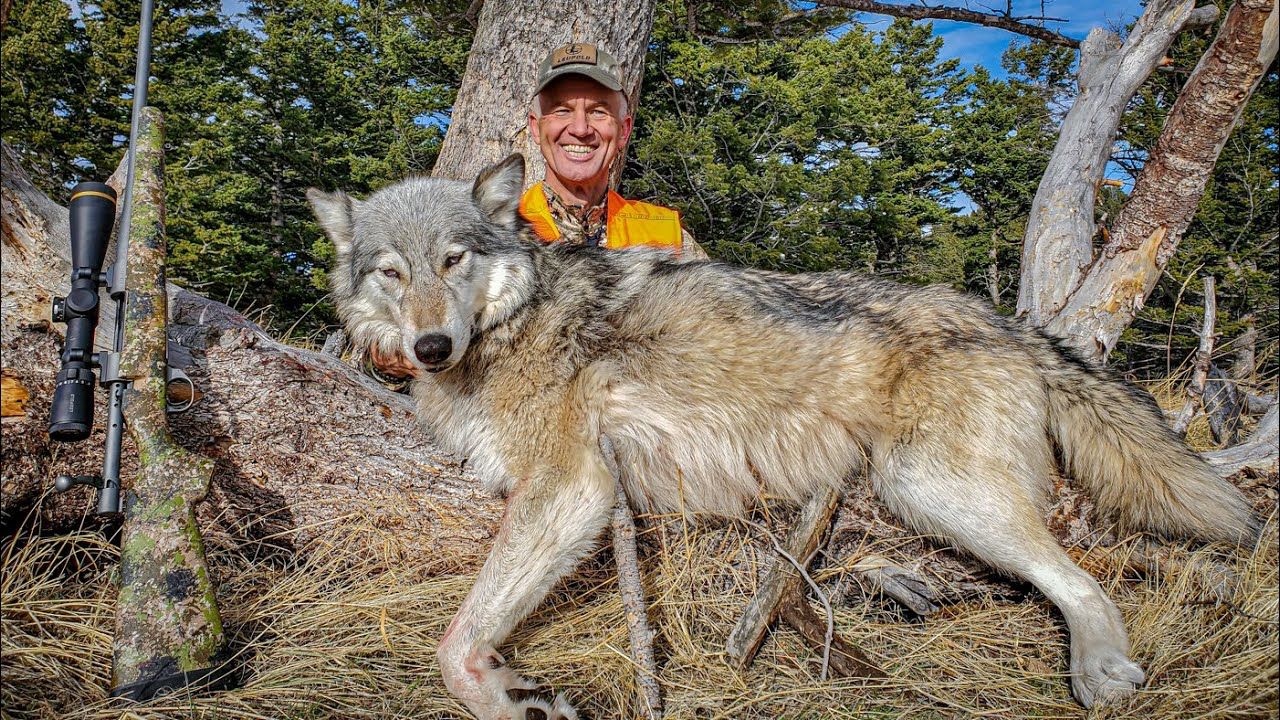
For many hunters, encountering predators like wolves or coyotes has always been a possibility — but usually from a distance. That’s what made a recent wave of online stories stand out, as more hunters began sharing close encounters that felt different from what they were used to.
Across forums and discussion threads, people described situations where predators weren’t just passing through — they were getting closer, lingering longer, and in some cases showing little hesitation around humans.
It’s raised a bigger question: are these encounters becoming more common, or are people just noticing them more?
When Encounters Feel Different
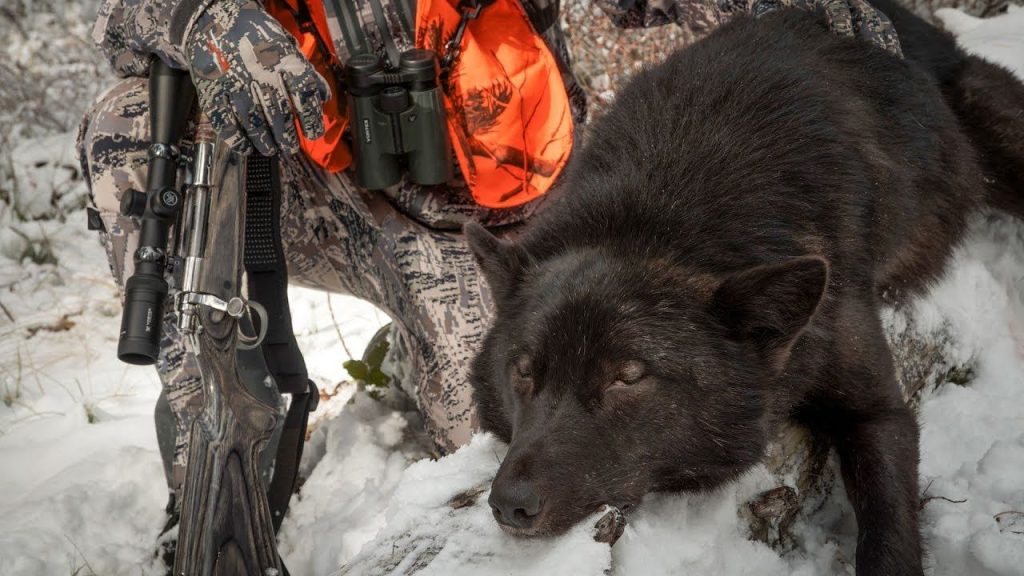
Several hunters described moments where they realized something was off.
In some cases, they said they heard movement behind them while sitting in a stand, only to spot a coyote or wolf much closer than expected. Others described animals circling at a distance or watching from the edge of cover instead of immediately moving on.
What stood out wasn’t just the presence of predators — it was how long they stayed.
A Shift in Behavior — or Perception?
Traditionally, predators like wolves and coyotes tend to avoid people. That’s part of why sightings often feel rare or brief.
But some hunters said these encounters didn’t follow that pattern. Instead of quickly disappearing, the animals appeared more comfortable holding their ground or slowly moving through the area.
That’s led to speculation about whether something is changing — either in predator behavior or in how often humans are crossing into their space.
Possible Factors Behind the Change
While the stories vary, a few common explanations came up in discussions:
- Habitat overlap: As more people spend time in rural and semi-wild areas, encounters naturally increase
- Food sources: Changes in prey availability can push predators to explore new areas
- Habituation: In some regions, animals may be getting more used to human presence over time
None of these explanations fully explain every encounter, but they offer a starting point for understanding why these moments might feel more frequent.
The Reaction From Hunters
When these stories were shared, reactions were mixed.
Some hunters said they’ve noticed the same thing — more sightings, closer encounters, and animals that don’t immediately retreat. Others said they haven’t experienced any change and believe the stories could be isolated incidents or simply getting more attention online.
Still, even those who were skeptical acknowledged that the accounts felt different from the typical quick glimpse most people expect.
Why These Stories Stick
Part of what makes these encounters stand out is how they unfold.
They’re not dramatic attacks or extreme situations. Instead, they’re quiet moments — realizing something is watching you, noticing movement that doesn’t go away, or recognizing that an animal isn’t acting the way you expected.
That subtle difference is what stays with people.
The Bigger Picture
At its core, this isn’t just about wolves or coyotes.
It’s about what happens when patterns people are used to start feeling less predictable. Whether it’s a real shift in behavior or just a change in how often these encounters are shared, the result is the same: more people are paying attention.
And when enough stories start to sound similar, it raises a question that’s hard to ignore — not necessarily about what’s happening in every case, but about whether something is changing at all.
For now, there’s no single answer. But the growing number of close encounters is enough to keep the conversation going.

Leo’s been tracking game and tuning gear since he could stand upright. He’s sharp, driven, and knows how to keep things running when conditions turn.