Knives That Hunters Take Into the Woods and Keep
A knife can make or break a day in the field. You don’t want a blade that folds when bone meets steel or loses its edge halfway through a deer. Hunters tend to stick with tools that work year after year—knives that start in camp and end in the truck covered in dried sap and fat, still sharp enough for another task. These aren’t novelty blades. They’re the ones that get picked up season after season because they feel familiar in hand, easy to sharpen, and never complain when asked to work harder than they should.
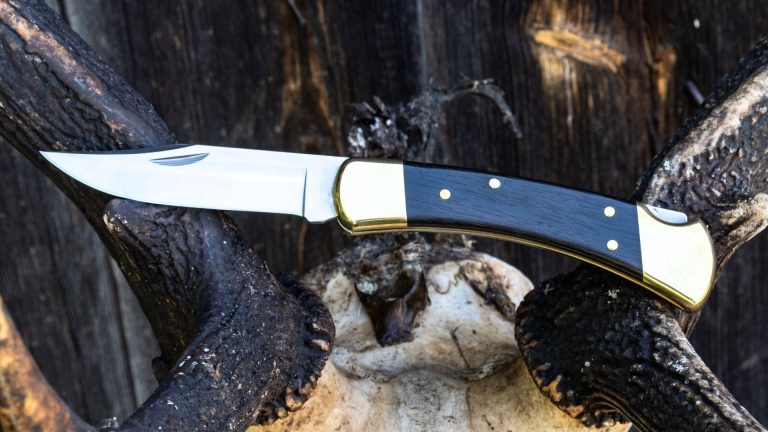
Buck 110 Folding Hunter

The Buck 110 has been riding on belts since long before people cared about weight savings or exotic steels. The lock-back design is strong, and the clip point blade handles meat work, hide, and general camp tasks with ease. The 420HC steel may not hold an edge forever, but it sharpens quickly on a stone in the field. Many hunters get one handed down from dad and keep using it without much thought.
It’s heavier than modern folders, but that heft gives confidence during joint work and precise cuts. Plenty of knives come and go—this one rarely leaves rotation.
Morakniv Companion (Carbon or Stainless)
The Mora Companion is the definition of a knife that gets used instead of babied. Lightweight, grippy, and easy to sharpen, it handles skinning and wood tasks without hesitation. The Scandinavian grind bites well into wood for feather sticks or tent stakes, and the blade geometry works for slicing backstraps clean.
It’s inexpensive enough that losing one doesn’t ruin a hunt, but dependable enough that you rarely do. Many hunters carry one as a backup and end up using it more than their primary. Quietly, it earns loyalty.
Havalon Piranta
For hunters who process multiple animals a season, the Havalon feels like a cheat. Replaceable scalpel blades keep an edge sharper than most traditional knives, and you can skin and quarter a deer without pausing to sharpen. The slim profile slips easily into packs and pockets.
It’s not a baton or pry tool, but for caping work and clean hide separation, very few knives beat it. Once a hunter tries one, it often becomes the dedicated game processing blade that never gets loaned out.
Benchmade Griptillian
The Griptillian is a favorite among hunters who like a folding knife that handles big tasks without locking hiccups. The Axis lock keeps things secure while still easy to open with gloves, and the blade shapes suit both field dressing and utility tasks. The 154CM or S30V steel options hold an edge well and respond to a touch-up quickly.
It’s built for real carry—light on the belt, tough in hand. Many buyers run one for years before even thinking about replacing it. It’s the kind of knife that becomes habit.
Buck 119 Special
The 119 is one of those knives that shows up around campfires across the country. The classic shape lends itself to steady control when skinning ribs or separating joints, and the 420HC steel with Paul Bos heat treat sharpens easily to a keen hunting edge. It’s long enough for big game processing and short enough to feel manageable.
Carry it for a few seasons and it starts to feel like part of the kit. You may buy fancier knives, but the 119 keeps coming along because you trust it.
ESEE 4
If you want a knife that handles hide, wood, and camp chores without worry, the ESEE 4 fits the bill. The 1095 steel responds well to sharpening stones and strops, letting you repair an edge in minutes. The full tang build inspires confidence during harder work—splitting light kindling, scraping fatwood, or trimming branches.
Some knives hate abuse. The ESEE 4 tolerates it. Many hunters carry it as their main fixed blade because it keeps working long after cold and grit set in.
Outdoor Edge RazorLite
Similar in concept to the Havalon, the RazorLite uses replaceable blades that swap out quickly without tools. Hunters who process elk or multiple deer appreciate not having to fight a dull edge mid-quartering. The handle has more substance than ultralight scalpel-style knives, which is easier on hands during long cuts.
It won’t baton wood, but that’s not its job. It goes from hide to muscle to sinew without slowing down. Once a hunter trusts replaceable blades, this one becomes a pack regular.
Case XX Trapper
The Trapper represents tradition—two blades, slim pocket form, and a history rooted in real use. While not a heavy-duty field dressing knife, its sharp carbon blades excel at skinning, fine cuts, and food prep around camp. The carbon option patinas with work, adding character instead of corrosion if cared for.
Some hunters carry one as a companion knife rather than primary, but those who do rarely give them up. It’s a field friend, reliable and easy to sharpen at night on a river rock.
Gerber StrongArm
Built tough for military and outdoor tasks, the StrongArm handles rough environments well. Its blade shape suits both slicing and mild prying, and the full-tang construction endures camp abuse. It sharpens cleanly and holds an edge surprisingly long for field work.
It’s not a finesse scalpel for delicate game caping, but as a general-purpose blade, few fixed knives around this price point see more real dirt. Hunters keep them because they never make excuses.
Fallkniven F1
The F1 earns loyalty in cold wet conditions with its laminated VG10 steel and comfortable thermorun handle. It carves wood, processes game, and slices meat with minimal resistance. The convex grind takes practice to sharpen, but holds beautifully under heavy use.
Water and snow don’t scare it. Hunters who run an F1 often keep it for decades, handing it down instead of replacing it. It’s a professional tool built to work when weather turns ugly.
Victorinox Fieldmaster
While not a single-blade hunting knife, the Fieldmaster stays in packs because the tools make camp life easier. The saw processes small wood, the main blade handles meat cuts, and the screwdrivers fix gear failures in the field. The stainless blade sharpens quickly and resists rust during wet hunts.
For many hunters, it isn’t the main skinning knife—but it’s the one that never gets left behind. When camp needs a tool, this one usually gets the first call.
Ontario RAT 5
Durable and strong, the RAT 5 handles scraping, batoning, and hide work without feeling fragile. The 1095 steel strops back to sharp with ease after bone contact, and the ergonomics reduce hand fatigue during long processing sessions.
It isn’t flashy, but it’s dependable. Many hunters start with one and stick with it for years because it feels familiar, trustworthy, and capable of handling more than it should.

Leo’s been tracking game and tuning gear since he could stand upright. He’s sharp, driven, and knows how to keep things running when conditions turn.