Rising Tensions in the Strait of Hormuz: U.S. Naval Actions and Iranian Responses
The narrow waterway between Iran and Oman carries about one-fifth of the world’s seaborne oil and a similar share of liquefied natural gas in normal times. Right now, in late April 2026, traffic has slowed to a crawl amid a fragile ceasefire in the broader conflict. You see U.S. forces enforcing a blockade on Iranian ports while Iranian forces push back with ship seizures and threats. This standoff stems from months of fighting that began earlier this year, with both sides claiming control over passage. The risks extend far beyond the region, affecting fuel prices and supply chains that touch everyday life. Understanding the moves on both sides helps make sense of why things remain so unsettled.
The Strait’s Critical Role in Global Trade
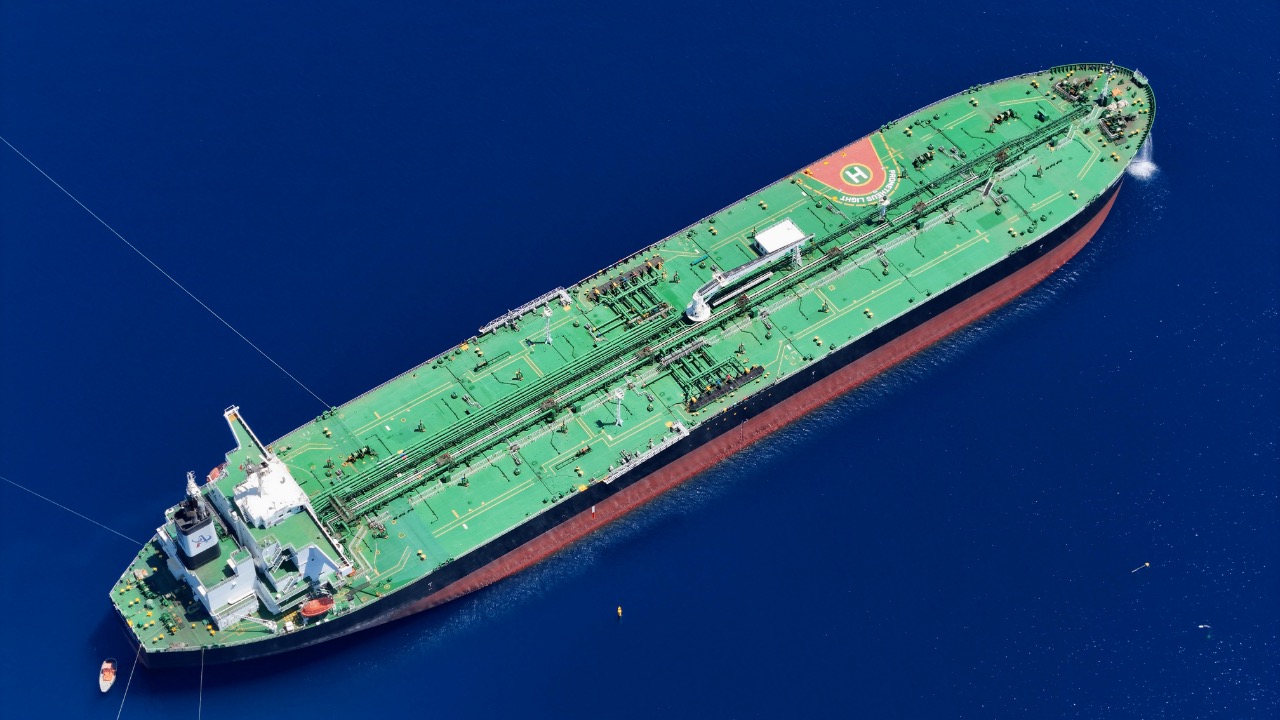
You rely on this passage more than you might realize. Tankers move millions of barrels daily under ordinary conditions, feeding economies from Asia to Europe. When disruptions hit, prices swing and shortages can follow in distant ports. Iranian officials have used the waterway as leverage before, but the current scale feels different because of the active naval confrontation. U.S. commanders emphasize keeping routes open for international shipping, yet Iranian actions have made captains cautious. Many vessels now wait outside the area or reroute at high cost. The geography itself—a channel as little as 21 miles wide in spots—leaves little room for error when tensions flare.
Naval experts point out that even limited mining or attacks can create outsized effects. Insurance rates have climbed sharply, and some companies simply avoid the zone. You watch the flow of energy reshape in real time, with ripple effects on gas stations and manufacturing back home. Both governments know the stakes, which explains why rhetoric stays heated even during pauses in direct fighting.
How the Latest Round of Conflict Began
Events escalated after strikes in February 2026 targeted Iranian military sites. Iran responded by declaring the strait off-limits to many vessels and launching attacks on commercial traffic. U.S. and allied forces hit back against naval assets, including boats used for laying mines. By early April, a ceasefire took hold through regional mediation, but it left key disagreements unresolved. The U.S. then tightened controls on approaches to Iranian ports starting around April 13.
This sequence created overlapping restrictions. Iran continued to challenge ships it viewed as violating its interests, while American forces redirected or boarded others. You see a pattern where each side justifies its steps as defensive. Shipping data shows only a handful of transits on many recent days, compared to over a hundred normally. The human cost has included crew injuries and deaths in some incidents, adding urgency to any diplomatic progress.
U.S. Naval Operations in the Area
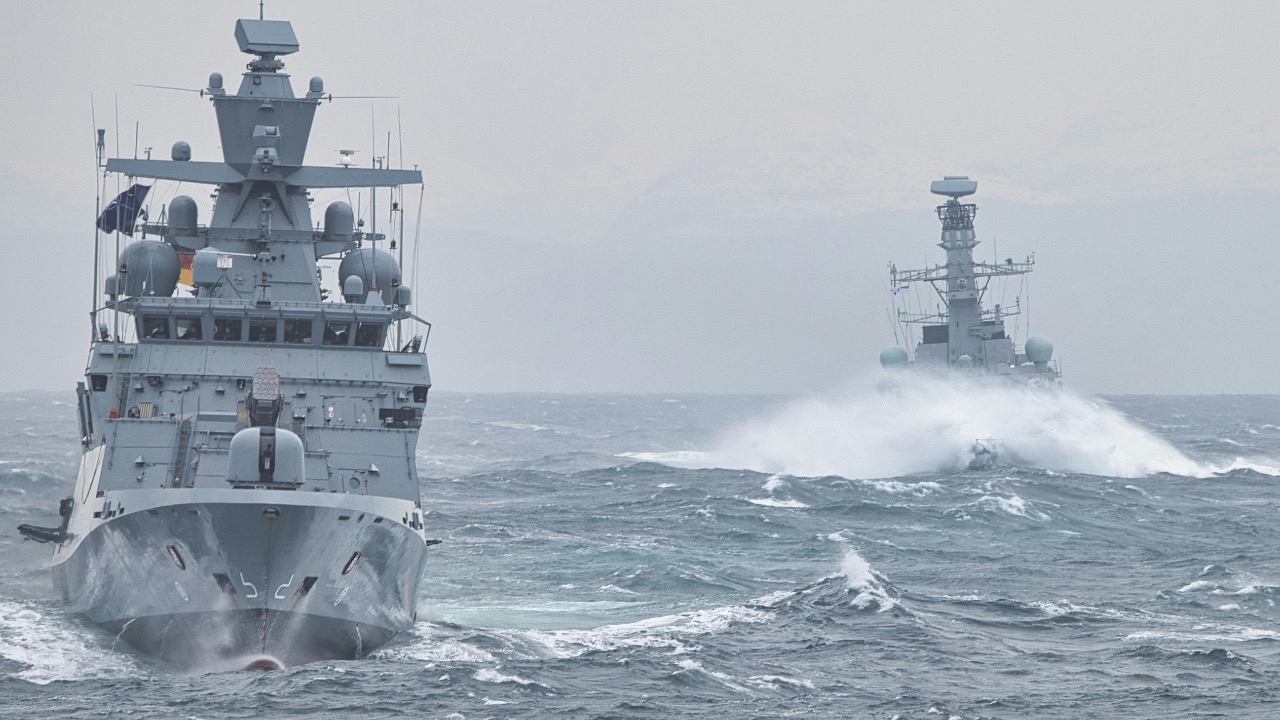
American warships, including destroyers and support vessels from the Fifth Fleet, patrol these waters to enforce the port blockade and protect commercial routes. Crews have intercepted tankers trying to evade restrictions, sometimes using warnings followed by disabling fire on engines when needed. Mine-sweeping efforts have increased, with orders to engage any boats caught deploying new threats.
You notice the emphasis on rules of engagement that allow decisive action against immediate dangers. Additional carriers have moved into supporting positions, signaling longer-term commitment. Commanders report destroying numerous Iranian fast-attack craft and minelayers in earlier phases. These operations aim to restore safe passage, though the confined space makes every encounter risky for everyone involved.
Iranian Tactics and Countermeasures
Iranian Revolutionary Guard units rely on speed boats, drones, and missiles to monitor and sometimes halt traffic. In recent weeks they seized container ships and fired on others attempting passage. Officials frame these moves as responses to the U.S. blockade and protection of national rights. Threats against American vessels continue, with warnings that naval assets could face direct targeting.
Their approach mixes conventional naval remnants with asymmetric tools that proved effective earlier in the conflict. You see reports of boarding parties and selective attacks that raise insurance costs and deter shipping companies. Despite losses to their surface fleet, enough capability remains to complicate safe transit. This back-and-forth keeps the waterway tense even under the extended ceasefire.
Recent Ship Seizures and Incidents
Over just a few days in April, Iranian forces targeted multiple vessels, capturing at least two and firing on another. U.S. units responded by boarding and diverting tankers linked to Iranian oil exports, including operations far into the Indian Ocean. One guided-missile destroyer disabled an Iranian-flagged cargo ship after hours of ignored warnings.
These events highlight how fragile the pause in fighting really is. Crews face sudden boardings or warnings to turn around. Data trackers show traffic dropping sharply after each clash. You can imagine the pressure on captains deciding whether to risk the route or absorb delays and extra fuel costs. Both governments publicize their versions, adding to the information fog around what actually happened at sea.
Effects on Energy Markets and Daily Life
Oil prices react quickly to every headline from the region. When the strait tightens, global supplies tighten too, pushing costs higher for refiners and consumers. Countries dependent on these flows draw down reserves or seek alternatives, but options remain limited in the short term. You feel it indirectly through higher transportation and goods prices.
Analysts track daily transits closely because even small changes matter. The dual restrictions—one from each side—have kept most large tankers away. Longer term, this could accelerate shifts toward other suppliers, yet the strait’s centrality makes full bypass difficult. Markets stay on edge while diplomats search for a lasting arrangement.
Diplomatic Moves and the Ceasefire
Pakistan helped broker an initial pause, with talks continuing in Islamabad. Iran recently floated ideas about reopening the strait in exchange for easing the U.S. blockade, while setting nuclear questions aside for later. The Trump administration has extended the ceasefire but insists on broader terms.
You follow statements from both capitals that mix offers with firm red lines. Progress remains slow because trust is low after months of exchanges. Regional players and allies watch closely, offering quiet support for de-escalation. Any breakthrough would need to address security for shipping while satisfying core interests on each side.
What Lies Ahead for the Region
The presence of advanced U.S. naval assets and Iranian coastal defenses suggests this could drag on. Mine clearing continues alongside patrols. New proposals may emerge soon, but past patterns show how quickly incidents can restart the cycle. You weigh the possibility of calmer waters against the chance of renewed flare-ups that affect far more than local waters. Staying informed on developments here helps anticipate shifts that reach well beyond the Persian Gulf.

Asher was raised in the woods and on the water, and it shows. He’s logged more hours behind a rifle and under a heavy pack than most men twice his age.