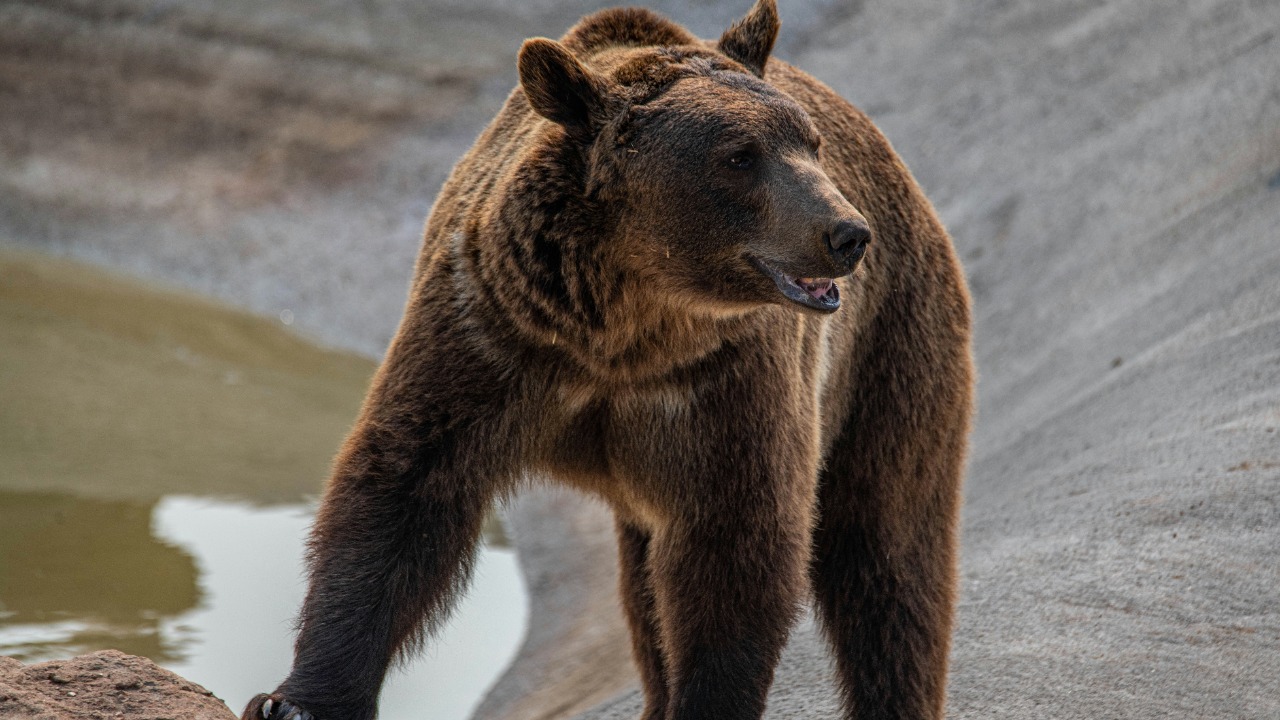
Why bear attacks remain rare — but serious when they happen
Bear attacks loom large in the imagination, yet for most people who hike, camp, or live in bear country, a close encounter will never turn violent. The risk is low because bears are wired to avoid conflict with humans, but when things do go wrong, the consequences can be catastrophic. Understanding why attacks are uncommon, and why they turn deadly when they do occur, is essential for anyone sharing space with these powerful animals.
I see the story of bear attacks as a tension between statistics and emotion. The numbers show that lethal encounters are rare compared with other outdoor risks, but each mauling or fatality is so shocking that it can reshape local policy, tourism, and public attitudes overnight. The challenge is to hold both truths at once: attacks are unlikely, yet they demand serious respect and preparation.
How often bears actually kill people
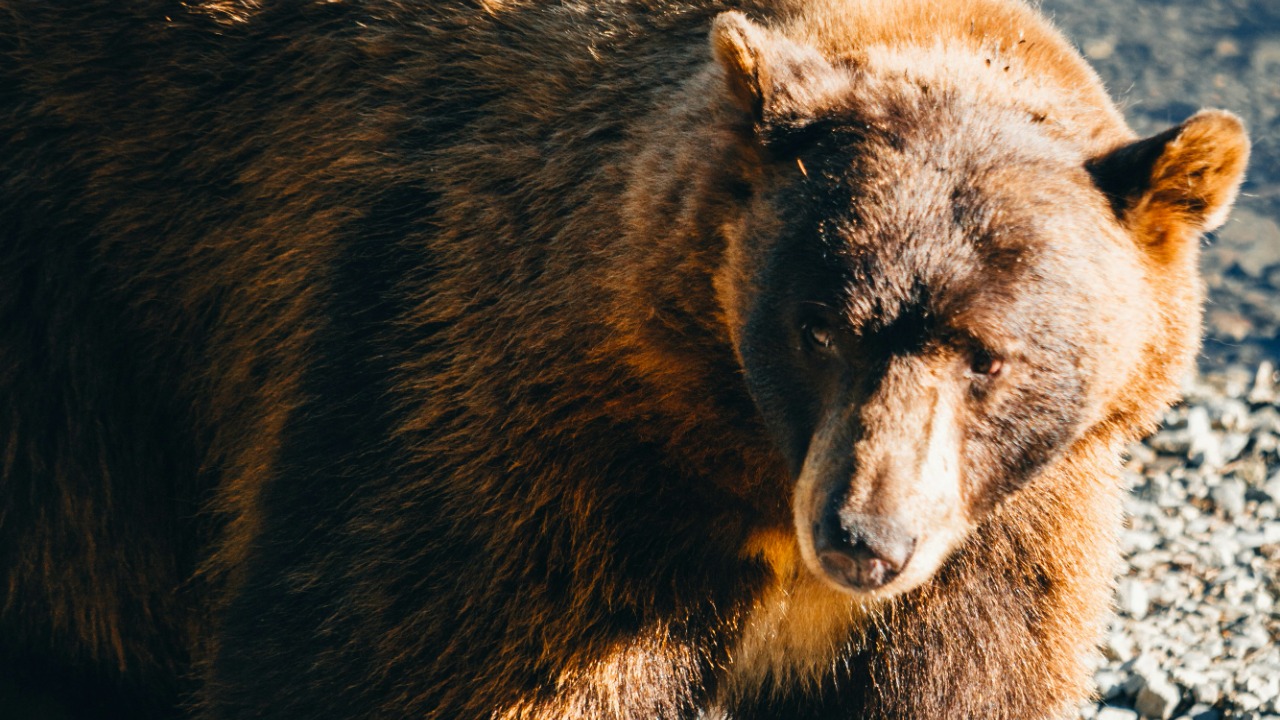
To understand rarity, it helps to look at patterns over time rather than isolated headlines. A compiled List of fatal bear attacks in North America shows that deaths are scattered across decades, with notable clusters in places where people and bears overlap heavily, such as remote camping areas and backcountry hunting zones. Even in those hotspots, the incidents number in the dozens over long stretches of time, a tiny fraction compared with the millions of annual visits to wild landscapes. The same record highlights that many fatalities occur in just a few regions, underscoring that geography and human behavior matter more than any blanket fear of bears.
Species differences also shape the risk profile. Data summarized from multiple incidents indicate that brown and grizzly bears are more likely to be involved in deadly encounters than black bears, and that most lethal cases involve a bear that has lost its fear of humans or is defending cubs or food. A breakdown of states with the most deaths notes that, according to the National Park Service, Alaska has recorded the most fatal bear attacks in the United States, and that the majority of human fatalities are linked to brown bears, which have been responsible for 82 fatal attacks. Those numbers are sobering, but they also show that even in the most dangerous bear country, lethal encounters remain rare compared with the sheer volume of human activity on the landscape.
Why bears usually avoid us
The main reason attacks are uncommon is that bears are not naturally looking for a fight with people. A detailed breakdown of encounter behavior stresses that the common MYTH that bears are inherently aggressive toward humans does not match field observations. The corresponding TRUTH is that bears usually avoid conflict, often leaving the area once they smell or hear a person. Most dangerous encounters arise when a bear is surprised at close range, is defending cubs, or has learned to associate humans with food, not because it is roaming the forest in search of people to attack.
Psychology research on animal behavior reinforces this picture. One analysis notes that the vast majority of bears are uninterested in humans and that, Once they smell and recognize a human, they usually retreat and go on their way. This avoidance is an evolved survival strategy: a large omnivore that picks unnecessary fights with something as unpredictable as a human is more likely to be injured or killed. That instinctive caution, combined with the fact that most people make enough noise to alert wildlife without realizing it, keeps the vast majority of encounters from ever turning violent.
Where and which bears pose the greatest risk
Geography and species combine to create very different risk landscapes. In North America, brown bears and grizzlies, especially those living in the interior of the continent, have been described as more aggressive and more likely to charge than coastal bears that have richer food sources. Reporting on maulings notes that Here in North America, brown bears or grizzlies are more prone to attack if they are surprised at close range or if they perceive a person as a threat to cubs or a carcass. That helps explain why interior mountain ranges and remote river valleys, where visibility is limited and bears rely on scattered food, show up repeatedly in fatality records.
By contrast, black bears are widespread but generally more timid. A review of incidents points out that Black bears attacks on humans are rare and often begin as scuffles involving dogs, with the bear reacting defensively when a pet chases or harasses it. Experts quoted in that reporting describe black bears as “kind of timid animals” that may have developed a strategy of climbing trees or moving away rather than confronting people. That does not mean black bears are harmless, but it does underline that species behavior, not just raw strength, shapes how likely an encounter is to escalate.
How human behavior tips encounters toward danger
When bear attacks do happen, human choices are often a key part of the chain of events. A synthesis of incident data notes that, according to documented Causes, almost all recorded bear attacks in the wild have resulted from humans surprising them at close range. Hunters are identified as the people most at risk because they move quietly, focus on game, and often approach carcasses that bears may already be using. In many black bear incidents, the majority of attacks have involved animals that were previously fed by people or had access to garbage, which erodes their natural fear and encourages bold, sometimes aggressive, behavior.
Other patterns emerge from how people travel and recreate. A research Survey summarized in the same record notes that, as a rule, brown bears tend to charge when surprised at close range, and that solitary hikers or pairs are more often attacked than large groups. That finding aligns with practical safety advice that encourages people to hike in groups, make noise, and stay alert for tracks, scat, or overturned logs that signal a bear is nearby. When people ignore food storage rules, walk silently through dense brush, or let dogs run off leash, they increase the odds of startling a bear into a defensive reaction that can turn deadly in seconds.
Environmental change and bears pushed into conflict
Beyond individual choices, broader environmental shifts are nudging bears and people into closer contact. Neil Carter, an associate professor at the University of Michigan who studies the relationship between wildlife, people, and the environment, has linked recent fatal bear attacks to human changes in land use and resource availability. As development expands into former habitat and climate shifts alter the timing and abundance of natural foods, bears may be forced to roam farther and take more risks to find access to food and water. That can bring them into farms, suburbs, and roadside campgrounds where the chance of a dangerous encounter rises.
Similar dynamics are visible in other parts of the world. A widely shared social media post from thejapantimes described bears in Japan coming down from the mountains and getting close to human settlements, with the author attributing this desperate and extremely aggressive behavior to changes in food availability and weather. While that commentary is not a formal scientific study, it echoes the same basic mechanism: when natural food sources fail or are fragmented, bears are more likely to push into human spaces, where fear, inexperience, and poor waste management can turn a foraging visit into a crisis.
Why Alaska and other hotspots see more fatalities
Some regions stand out as statistical outliers, not because bears there are uniquely bloodthirsty, but because of how people use the landscape. A breakdown of states with the most fatal bear attacks notes that, Which State Has is answered clearly: Alaska has had the most fatal bear attacks in the United States. That is partly a numbers game. Alaska has vast tracts of wilderness, high densities of brown bears, and a culture of backcountry travel, hunting, and fishing that puts people into remote areas where help is far away. When something goes wrong in that setting, the odds of a fatal outcome are higher simply because medical care is delayed.
Alaska’s own wildlife agency has responded by emphasizing practical safety steps for anyone traveling in bear country. Its Fast Facts for urge people to make noise so they do not surprise a bear, stay alert and look for signs of bears, and never approach or crowd an animal that is feeding or with cubs. Those guidelines are grounded in the same incident data that show most attacks follow a pattern of surprise or provocation. In other words, the very places that see more fatalities are also the ones where simple, consistent precautions can dramatically reduce the risk.
How attacks unfold when they do happen
When a bear attack does occur, the behavior often follows recognizable stages. National park guidance explains that Bluff Charges are meant to scare or intimidate and are more common than aggressive charges. In a bluff, the bear may run toward a person, then veer off at the last moment, huffing, jaw popping, or swatting the ground. Predatory bears are described as very different, often approaching slowly and deliberately, sometimes circling or following, which can signal that the animal is testing whether a person might be a potential food source. Recognizing those distinctions in the moment is difficult, but they illustrate why not every charge ends in contact and why many encounters that feel terrifying never become physical attacks.
When contact does occur, the violence can be extreme. The same incident record that analyzes causes notes that, as a rule, brown bears tend to attack with repeated bites and swipes, sometimes focusing on the head and neck. A separate summary of severe cases points out that brown bears have, in some documented attacks, crushed the heads of some human victims. Those details are grim, but they explain why even a single misjudged encounter can have life altering consequences, and why medical evacuation and trauma care are so critical in the aftermath of a mauling.
Practical steps that keep encounters rare
Despite the horror of worst case scenarios, the toolkit for prevention is straightforward and well tested. Outdoor safety guides emphasize that bears have a better sense of smell than dogs and love human food, so the main strategy to avoid run ins is to manage attractants. One widely cited set of tips advises people to secure food and trash, never run, and speak loud in a calm voice if they encounter a bear at close range. Another practical checklist notes that Bears have a better sense of smell than dogs, recommends learning to identify different species in North America, and urges people to travel in groups, which are less likely to be attacked.
Public agencies have tried to distill this advice into simple reminders. National parks in Alaska created a safety sticker that lays out steps for Avoiding an encounter, including being especially cautious if you see cubs, staying away from carcasses, and keeping your distance from bears at all times. Animal protection groups add that you are more likely to be struck by lightning than attacked by a bear, and that in most encounters the bear flees once it realizes a human is present. One such guide stresses that more likely to be injured by a dog or bee sting than by a bear, and that the most common outcome of a bear encounter is that the animal runs away. Those statistics do not eliminate risk, but they show how effective basic precautions can be.

Leo’s been tracking game and tuning gear since he could stand upright. He’s sharp, driven, and knows how to keep things running when conditions turn.