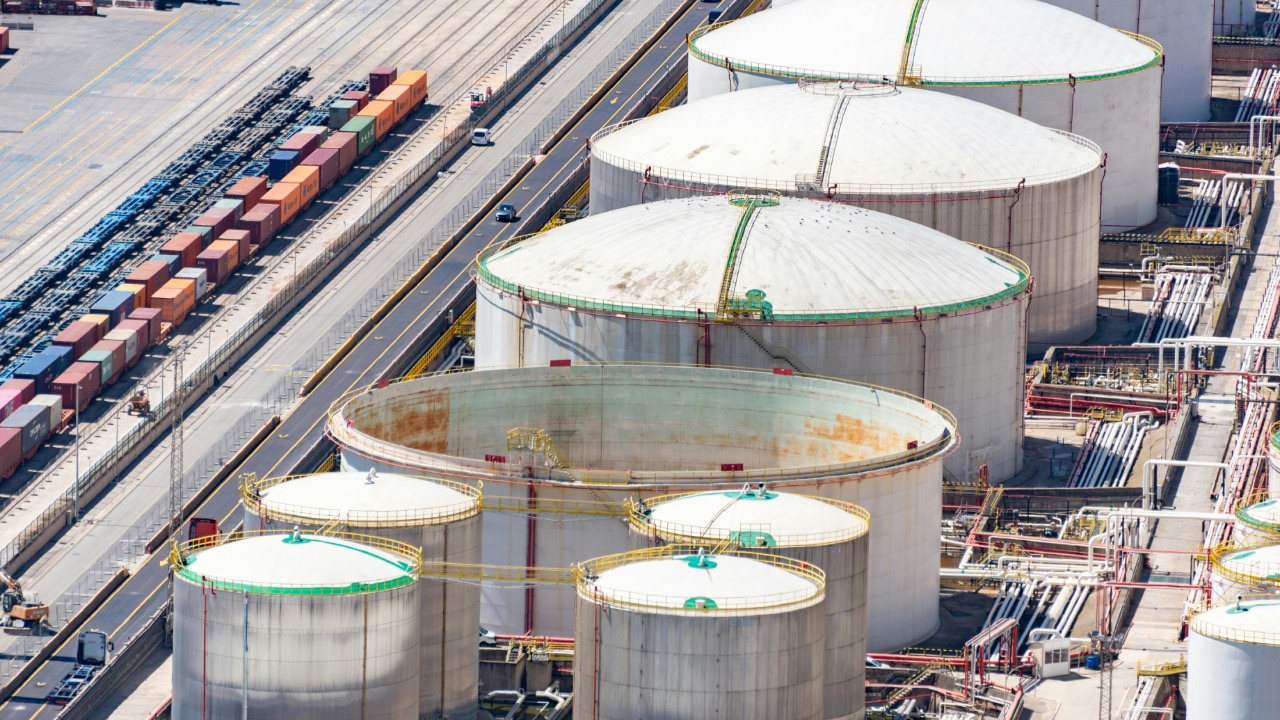
Iran Supply Disruptions Highlight U.S. Shale’s Role as Potential Global Oil Stabilizer Amid Market Volatility
Disruptions tied to Iranian oil flows and shipping routes in the Middle East have put renewed focus on how fragile global energy supply can be. With tensions affecting movement through key chokepoints like the Strait of Hormuz, markets have reacted quickly, pushing oil prices higher and increasing volatility across energy and financial sectors.
In that environment, attention has shifted toward the United States shale sector as a possible stabilizing force. Because shale production can respond faster than many traditional oil sources, it is often viewed as a flexible supply buffer when global output is disrupted or uncertain.
Supply shocks in the Middle East and market reaction
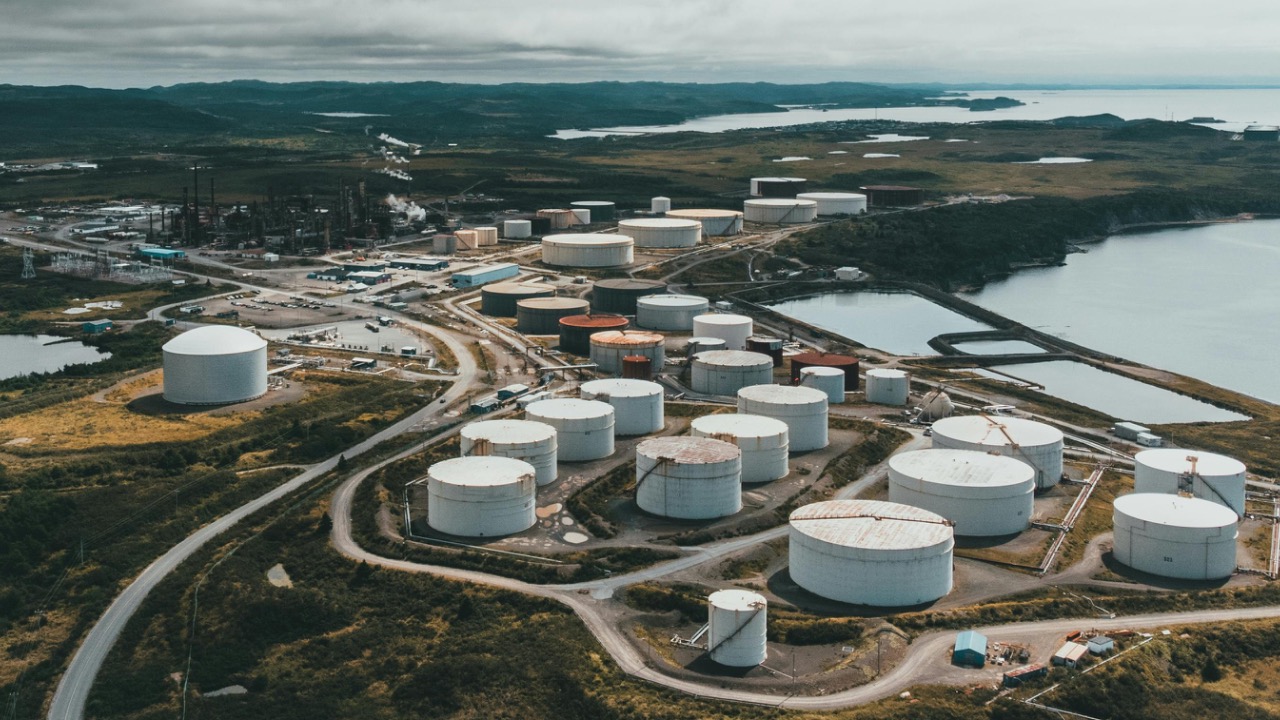
Recent disruptions in Iranian-linked supply routes have tightened global oil availability, especially given the importance of the Strait of Hormuz, which handles a large share of global crude shipments. Even partial interruptions in that corridor tend to create immediate price pressure in global markets.
As a result, oil prices have seen sharp swings, with traders adjusting expectations based on shipping risk, geopolitical tension, and potential further escalation. In some cases, prices have spiked significantly in short periods as supply concerns outweigh normal demand forecasts.
Why U.S. shale is being viewed as a stabilizer
U.S. shale production has become an important factor in global energy balance because of how quickly output can increase compared to traditional oil projects. Unlike offshore or long-cycle developments, shale wells can often be brought online faster when prices rise, helping respond to shortages.
This flexibility is why analysts often describe shale as a “shock absorber” during global disruptions. When international supply tightens, increased U.S. production can help prevent prices from climbing even higher, although it doesn’t eliminate volatility entirely.
Limits of shale response in real-world conditions
Even though shale can ramp up faster than other sources, it is not an instant fix. Production still depends on infrastructure, investment conditions, and available drilling capacity. If disruptions are large enough, shale growth may not fully offset global shortfalls in the short term.
There is also a financial side to consider. If oil prices swing too sharply or stay unstable, companies may hesitate to invest heavily in new production. That can slow the stabilizing effect shale is expected to provide during periods of uncertainty.
Global energy markets remain sensitive to disruption
The current situation highlights how interconnected global oil supply really is. When one major region faces instability, the effects are quickly felt across pricing, shipping routes, and national energy planning worldwide.
At the same time, governments and markets are increasingly aware that no single producer can fully control global stability. Instead, the system depends on a mix of supply sources, reserves, and rapid-response production like U.S. shale to prevent extreme shortages.
Outlook for oil prices and energy stability
For now, oil markets are likely to remain sensitive to developments in the Middle East, especially around shipping routes and political tensions. Even small changes in supply expectations can lead to noticeable price movements.
The broader takeaway is that U.S. shale is increasingly seen as a balancing force, but not a complete safeguard. It can help reduce the severity of shocks, but global stability still depends heavily on geopolitics, infrastructure security, and coordinated supply responses.

Leo’s been tracking game and tuning gear since he could stand upright. He’s sharp, driven, and knows how to keep things running when conditions turn.