

Knives Built for Hard Living, Not Display Cases
Some knives look great in photos—exotic steel, shiny bolsters, mirror polish. Then there are the knives that actually go to work. They bump against rocks, quarter game in the dark, baton firewood, slice rope, scrape hides, and ride in a sheath all season without pampering. Those are the knives that matter when the weather turns and you’re hungry, tired, or deep in country far from a hardware store. They aren’t pretty collectibles. They’re tools—the kind you forget to oil, leave bloody, and still trust next weekend. If you want a knife for real use, not admiration, these belong on your belt or pack.
ESEE 4
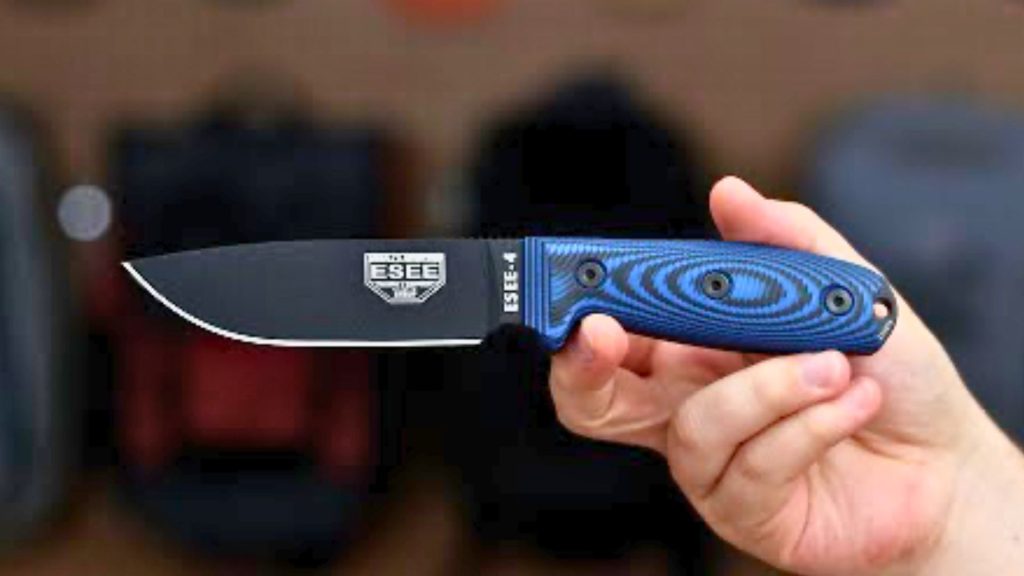
The ESEE 4 has been bounced off logs, hammered through knots, and still comes back cutting. 1095 carbon steel sharpens quickly in camp, and even when the edge dulls from heavy chores, a few passes on a stone brings it alive again. The coating keeps rust down when weather gets wet or you skip wiping it after dressing game.
It’s not meant to sit polished. It’s built for scraping branches, feathering sticks, and cutting steaks on a rock. The handle shape stays comfortable through long sessions, and even if you beat it hard for years, it rarely shows more than cosmetic scars.
Mora Companion (or Bushcraft Black)
The Mora isn’t expensive, flashy, or brag-worthy—yet few knives deliver this much work for so little. Its Scandi grind bites into wood like it was born for bushcraft. The edge takes a razor polish easily, and many hunters carry one as a backup only to find it becomes the primary.
It won’t win style competitions, but it excels in rain, snow, and cold fingers. The polymer handle doesn’t mind blood or mud, and the sheath rides light during long hikes. You could lose it in the woods, buy another, and keep going—and most of the time, that’s exactly the point.
Buck 119 Special
The Buck 119 has ridden in trucks, on belts, and in deer camps for generations. It’s not tactical or trendy, but it holds an edge well enough to dress game without constant touching up. The clip point slides through hide cleanly, and the blade has enough backbone for real camp chores.
Stainless steel means less rust stress, and even with old-school lines it never feels fragile. Many hunters inherit one from their fathers and still use it. A knife doesn’t last decades by accident—this one survives because it was made to be dirty, bloody, and sharpened forever.
Ka-Bar USMC Fighting/Utility
Ka-Bar built a knife for war, and that durability makes a perfect hunting and camp tool. It chops branches well enough for shelter poles, slices meat easily, and can be pressed into digging when necessity calls. The stacked leather handle ages with character instead of falling apart.
You don’t baby a Ka-Bar—you use it like a tool. The edge might need sharpening after hard batoning sessions, but it sharpens easily. When you carry one, you don’t worry about whether a chore is too “rough” for it. You hand it a problem and it usually solves it.
Benchmade Bushcrafter 162
S30V steel holds an edge for a long time, even after hardwood carving or quartering work. The Bushcrafter is built thick, giving you strength for light batoning without fear. The handle scales feel secure when cold, sweaty, or covered in fat, and balance stays neutral during precision work.
It’s a premium knife built to see dirt—not a shelf queen. You’ll scratch the blade, dull the edge, use it on animals, and it will stay faithful. A field knife that performs this well doesn’t stay pretty— and it shouldn’t. It’s meant to earn scars.
Ontario RAT 5
The RAT 5 thrives in wet timber, muddy truck beds, and field camps. It loves hard tasks—splitting camp wood, cutting cordage, scraping tinder. The 1095 blade isn’t rust-proof, but a little oil or camp maintenance keeps it healthy. In return, it delivers toughness you can rely on.
The handle fills your palm even with gloves, helping during cold weather chores. Many hunters keep one in their pack because it’s a knife they trust to get ugly and keep going. It’s not overly precious, and that makes you more willing to use it for what knives were made for.
Cold Steel SRK
SRK was built for survival first, and cosmetics last. The blade profile handles slicing, prying, and field dressing without flex or fear. AUS-8 or CPM-3V versions take abuse differently, but both hold up well to real field punishment. The secure grip doesn’t slip when bloody or wet.
It’s the kind of knife you baton through frozen wood or bushwhack brush with, then rinse off in a creek and keep moving. If you want a dependable knife for harsh work without treating it gently, the SRK is what riders, hikers, and hunters carry when failure isn’t acceptable.
Gerber StrongArm
The StrongArm is a knife for mud, rain, and gravel—not fragile finish work. It was designed for rough handling, with a full-tang construction and a coating that keeps corrosion down. The grip stays planted even when palms are sweaty or coated in fat.
Strike a ferro rod, trim branches, split logs—StrongArm handles that reality without flinching. It’s a field tool with a sheathe built for versatility, letting you strap it wherever makes sense. You won’t lose sleep over scratches, because it was never meant to stay pretty.
Victorinox Fieldmaster (or Huntsman)
Folding knives rarely survive abuse like fixed blades, but the Fieldmaster earns a spot because of versatility. It cuts rope, trims shooting lanes, opens cans, and fixes camp gear. The steel won’t hold the longest edge, but it sharpens quickly even with makeshift stones.
It’s a knife you throw in a pack and forget until you need it. Rain, snow, humidity—Victorinox doesn’t mind. As long as you occasionally clean the pivot and oil it, this knife keeps living. Not glamorous, but constantly useful.
Spyderco Paramilitary 2
S30V steel holds an edge longer than most expect in field conditions. The compression lock remains reliable even when grit finds its way inside, and the large thumb hole lets you open it with cold hands. The PM2 isn’t afraid of real use, and plenty of hunters run theirs for everything from cutting hide to camp prep.
Pop the scales off, clean it, and it’s brand new again. It’s built for years of service, and it earns a place in pockets because it doesn’t complain about dirt or daily workload. It’s the kind of knife you trust more every season.
Becker BK2
The BK2 is thick—some joke it’s a sharpened pry bar. But that toughness means it shrugs off abuse like few others. You can drive it through logs, hammer the spine, and dig if you must. It won’t fold or snap just because you treated it like a tool.
It’s not the best slicer for fine game work, but for survival, camp chores, and hard tasks, it stands tall. If your gear sees rain, cold, or bush miles, the BK2 feels right at home caked in dirt and soot.
Fallkniven F1
Designed for Scandinavian pilots, the F1 balances edge retention, strength, and weather resistance. The laminated VG10 steel holds sharpness through long days of cutting, and the convex grind bites well into both hide and wood. Rain and cold don’t bother its synthetic handle.
Many hunters trust it in deep timber knowing it won’t crack in freezing weather or soften in heat. It’s built for survival, and it rides comfortably without demanding pampering. The more you beat it, the more it proves itself.

Leo’s been tracking game and tuning gear since he could stand upright. He’s sharp, driven, and knows how to keep things running when conditions turn.


