Texas Flood Victims’ Families Sue Camp Mystic, Raising Questions About Warnings Ignored Before Deadly 2025 Disaster
The aftermath of the 2025 Texas flood at Camp Mystic is now shifting from tragedy to accountability, as families of victims file lawsuits claiming the disaster could have been prevented. The camp, a long-running summer program in central Texas, became the center of national attention after a sudden flood killed 27 campers and staff.
Now, grieving families are asking a harder question: not just what happened, but whether warning signs were missed. Lawsuits argue that failures in preparation, communication, and response may have played a role in how severe the outcome became.
What happened during the 2025 flood
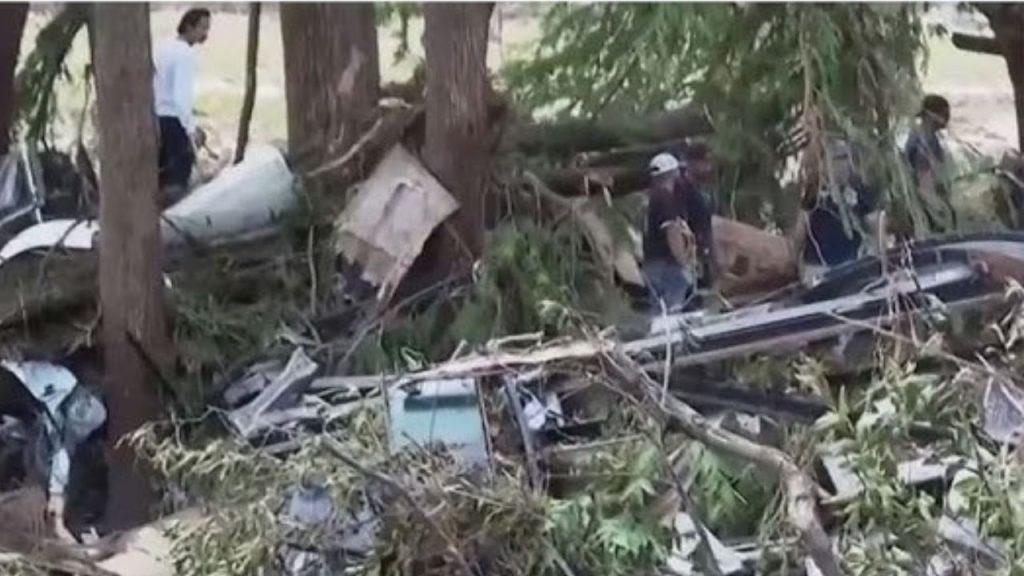
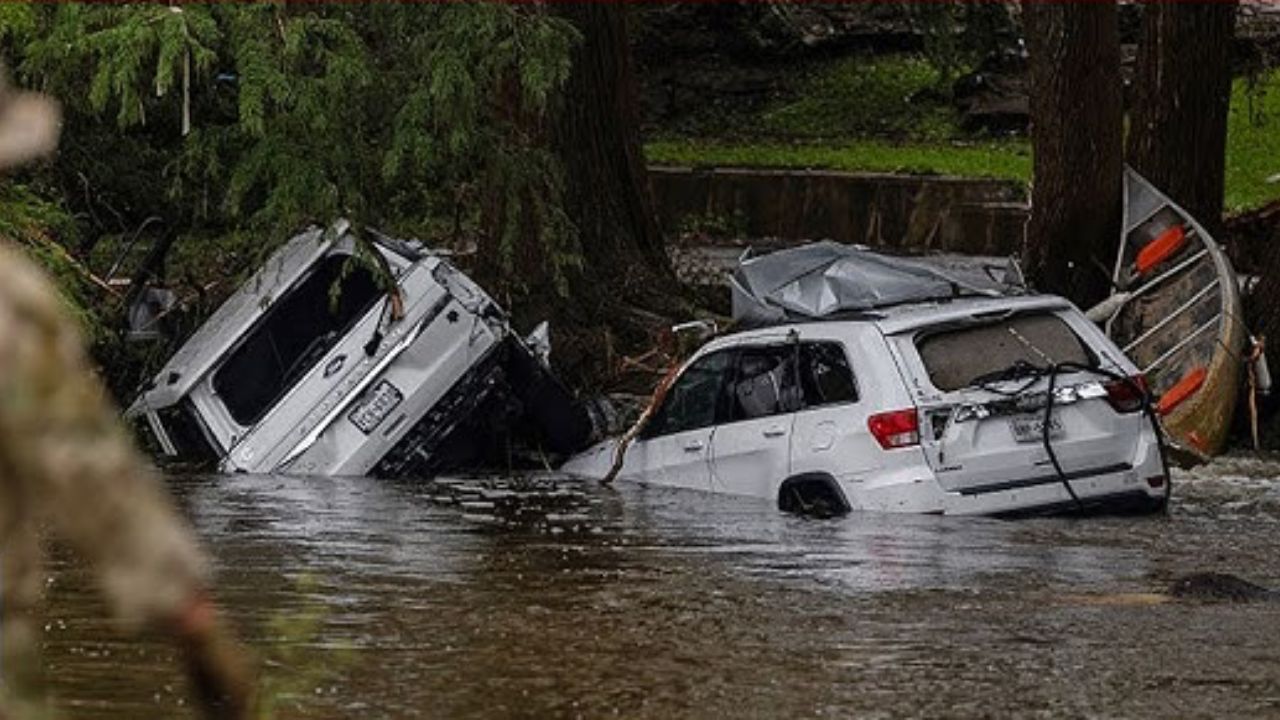
The disaster unfolded in the early hours of July 4, 2025, when heavy rainfall caused the Guadalupe River to rise rapidly, flooding large parts of the camp. Cabins near the water were overtaken quickly, leaving little time for evacuation.
By the end of the event, 25 young campers, two counselors, and the camp’s owner had lost their lives. The speed of the flooding made rescue efforts extremely difficult, and many survivors were left stranded without power, food, or clear direction in the immediate aftermath.
Lawsuits focus on ignored warnings
Families involved in the lawsuits claim the tragedy wasn’t entirely unavoidable. Some filings argue that flood warnings were issued before the water surged, but action either came too late or didn’t happen at all.
Testimony and reports have added to those concerns. Camp leadership has acknowledged missing or not acting quickly on warning signals, which has become a central issue in the legal cases.
For families, the argument is simple: if earlier decisions had been made, more lives might have been saved.
Safety gaps and emergency planning under scrutiny
Investigations have uncovered multiple issues with the camp’s emergency preparedness. State reviews found more than 20 deficiencies in safety planning, including unclear evacuation procedures and limited training for staff.
There are also concerns about the lack of a clear system for monitoring weather alerts and responding in real time. In a fast-moving disaster like a flash flood, even small delays can make a major difference, and critics say the camp wasn’t equipped to respond at the level needed.
Broader questions about oversight and responsibility
The lawsuits don’t just target the camp itself — they also raise questions about state oversight. Some families argue that regulations were either too weak or not properly enforced, allowing camps to operate without fully developed emergency plans.
This has led to a wider conversation about how summer camps, especially those in high-risk areas, are monitored. In response to the disaster, new laws and stricter safety requirements have already been introduced, focusing on flood zones, evacuation planning, and staff training.
What happens next
The legal process is still ongoing, and it may take months or even years before final outcomes are reached. Courts will ultimately decide whether negligence played a role and who, if anyone, is legally responsible.
At the same time, the camp’s future remains uncertain. Officials are reviewing whether it should be allowed to reopen, especially after reports of safety failures and public backlash from families.
For many, the case has already moved beyond one camp. It’s now part of a larger discussion about safety, accountability, and how to prevent a tragedy like this from happening again.

Leo’s been tracking game and tuning gear since he could stand upright. He’s sharp, driven, and knows how to keep things running when conditions turn.