Nearly $5 Million in Methamphetamine Seized in Cardboard Shipment From Mexico
You encounter stories like this one often enough in border news, but the details still land with weight. On April 14, officers with U.S. Customs and Border Protection at the Otay Mesa Commercial Facility in San Diego pulled over a tractor-trailer coming from Mexico. The paperwork said the load was nothing more than corrugated cardboard boxes. What they actually found inside changed the picture entirely.
This kind of seizure highlights the steady pressure at legal ports of entry. Agents rely on a mix of technology, trained dogs, and experience to spot anomalies in everyday shipments. In this case, their work kept a large quantity of methamphetamine from reaching streets farther north. The event fits into a longer pattern of enforcement efforts along the U.S.-Mexico border, where commercial traffic moves in high volume every day.
The Stop That Started It All

You picture the scene at Otay Mesa, one of the busiest commercial crossings. A 2017 Freightliner Cascadia driven by a 31-year-old Mexican citizen rolls up on April 14. Officers decide to send the rig for secondary inspection based on their screening process. Nothing dramatic at first glance, just routine procedure applied to a declared shipment of cardboard.
Once in secondary, a non-intrusive scan shows something off in the trailer’s front wall. That irregularity prompts closer attention. A K-9 team alerts to the same spot. These layered checks turn a standard review into a significant find. The process moves methodically from suspicion to confirmation without unnecessary spectacle.
Inside the Hidden Compartment
Officers open up the trailer and locate roughly 300 packages wrapped in clear plastic. Each one holds a crystal-like substance. Lab tests confirm it as methamphetamine, adding up to 3,078.10 pounds. The street value comes in near $5 million, a figure that reflects both quantity and potency on the market.
The concealment method uses the front wall of the cargo area, built to look like part of a normal load. Smugglers often try to blend contraband with legitimate goods, but inspectors train specifically for these modifications. Finding it requires attention to weight distribution, structural oddities, and behavioral cues from the vehicle itself.
How Officers Spot the Clues
You might wonder what raises a flag on an ordinary-looking truck. At ports like Otay Mesa, agents review manifests, driver behavior, and vehicle profiles. In this instance, the scan revealed inconsistencies in the trailer’s construction. That data, combined with the dog’s response, justified a hands-on search.
Experience plays a big role here. Officers handle thousands of shipments weekly, learning patterns over time. Non-intrusive tools let them inspect without unloading everything first, saving time while increasing effectiveness. When multiple indicators line up, they dig deeper. This layered approach helps separate routine traffic from higher-risk loads.
The Scale of This Particular Load
Three thousand pounds of crystal methamphetamine represents a substantial amount headed for distribution. At current estimates, its potential street value approaches $5 million. That scale affects local markets and contributes to broader supply chains that law enforcement works to disrupt.
You see why quantity matters in these reports. A load this size can supply thousands of doses, feeding addiction cycles and related crime in communities across the country. Interceptions like this one reduce availability even if they do not stop the entire flow. Officials track these numbers to measure pressure on trafficking operations.
What the Manifest Claimed
The paperwork listed corrugated cardboard boxes as the cargo. That cover story allowed the driver to attempt passage through legal channels. Many large shipments use commercial manifests to appear legitimate at first review.
Inspectors deal with similar declarations regularly. Cardboard moves in volume across the border for packaging and manufacturing. Using it as camouflage takes advantage of that normal trade. The mismatch between documents and physical reality only becomes clear after technology and follow-up investigation step in.
The Driver and Ongoing Case
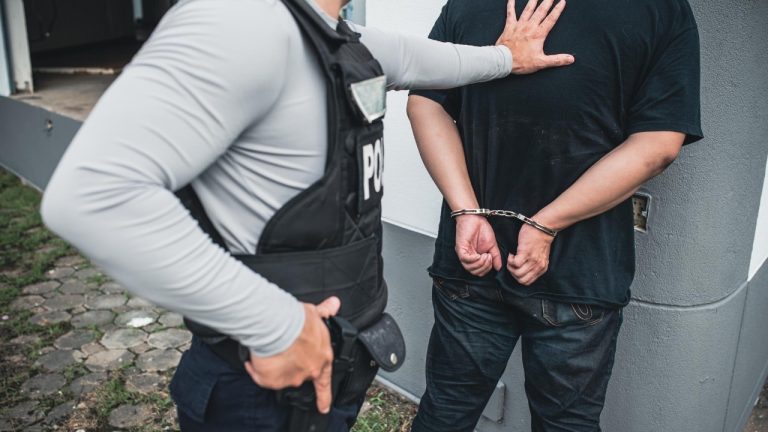
A 31-year-old Mexican citizen was operating the truck. Authorities took him into custody following the discovery. Details on charges and further investigation remain with federal prosecutors as the case proceeds.
You understand that one arrest rarely ends the network behind a shipment. Investigations often trace ownership, funding, and routes back through multiple layers. This event adds to the record of enforcement at Otay Mesa, where agents continue daily operations amid steady cross-border traffic.
Broader Context at Otay Mesa
Otay Mesa handles enormous daily volumes of commercial trucks. Its location south of San Diego makes it a key artery for legitimate trade between the U.S. and Mexico. At the same time, it draws efforts to move contraband through the same infrastructure.
Officials balance security with the need for efficient commerce. Delays affect supply chains, yet skipping checks opens doors to dangerous substances. This seizure demonstrates how targeted inspections within a busy port can yield results without shutting everything down.
The Role of Technology and Teams
Non-intrusive imaging systems give officers a view inside containers and walls without full disassembly. K-9 units provide another sense that technology cannot fully replace. Together they create redundancy that improves detection rates.
Training keeps teams sharp on evolving concealment tactics. Smugglers adapt, so agents study new methods and share information across agencies. The combination of tools, animals, and human judgment forms the backbone of successful operations at facilities like this one.
Impacts on Communities Farther North
You live in places where this methamphetamine could have ended up. Cities and towns across the United States see the health and safety consequences of increased supply. Overdoses, violence tied to distribution, and strained public resources follow the drugs.
Seizures provide one measure of prevention. They do not solve demand on their own, but they raise costs and risks for traffickers. Over time, consistent enforcement aims to shrink the market and protect people who might otherwise encounter these substances.
Ongoing Efforts Along the Border
This April 14 incident is one of many reported from California ports. Agencies release information on significant finds to show work happening behind the scenes. Patterns emerge over months and years.
You follow these stories and notice both successes and the reality that attempts continue. Resources focus on intelligence, infrastructure, and cooperation with Mexican authorities. The goal stays steady: reduce the volume crossing through legal and illegal pathways alike.

Asher was raised in the woods and on the water, and it shows. He’s logged more hours behind a rifle and under a heavy pack than most men twice his age.