Defense Secretary Pete Hegseth Fires U.S. Military Nuclear Chief Andrew Hugg After Exposure Over Sensitive Nuclear Information
You follow national security stories closely enough to know how quickly trust can erode when someone in a sensitive position speaks too freely. In late April 2026, Defense Secretary Pete Hegseth moved decisively after an undercover video surfaced showing Army official Andrew Hugg discussing restricted details in a public setting. The incident, captured by journalists associated with James O’Keefe, highlighted ongoing challenges in protecting classified material even among those tasked with safeguarding it. Hegseth’s confirmation of the firing underscored a clear message about accountability at the Pentagon.
This episode arrives amid broader tensions involving U.S. military operations and international relations, particularly around Iran. Officials have emphasized that such lapses carry real consequences for personnel reliability programs and the handling of nuclear and chemical surety matters. The speed of the response reflects efforts to maintain credibility in an environment where information leaks can complicate diplomatic and strategic calculations.
The Role Andrew Hugg Held in Army Nuclear and Chemical Oversight
Andrew Hugg served as the Branch Chief of Nuclear and Chemical Surety within the U.S. Army’s G-3/5/7 Division at the Pentagon. In that capacity, he helped oversee policies related to the safe handling and transport of sensitive materials, including aspects of personnel reliability and insider threat detection. These responsibilities place individuals at the intersection of operational safety and national security protocols.
Professionals in these positions routinely review procedures designed to prevent unauthorized disclosures. Hugg’s background included prior technical work connected to nuclear operations, which made the public conversation captured on video particularly striking to those familiar with the protocols. The Army placed him on administrative leave shortly after the footage appeared, initiating a formal review of the matter.
How the Undercover Recording Came About
Journalists arranged a meeting through a dating app, leading to a conversation in a public restaurant where hidden cameras recorded the exchange. Hugg reportedly spoke about various military topics while interacting with the woman, who was working with O’Keefe’s team. Such stings have become a feature of investigative reporting in recent years, testing discretion among officials.
The setting—a casual public venue—amplified concerns because discussions touched on areas normally restricted. Hugg allegedly referenced U.S. possession of nerve agents, an Army chemist’s recent exposure death, and aspects of operations in Iran, including collateral impacts on civilians. These elements raised immediate questions about judgment and adherence to security standards.
Defense Secretary Hegseth’s Direct Response at the Briefing
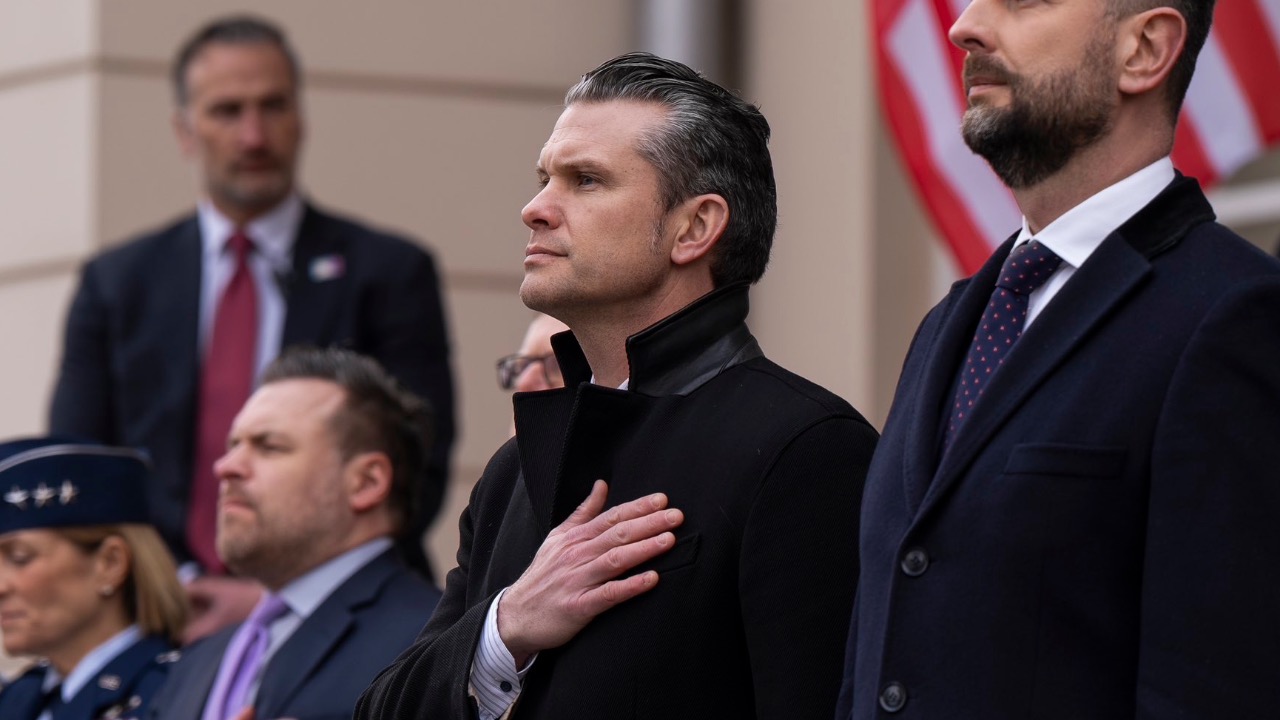
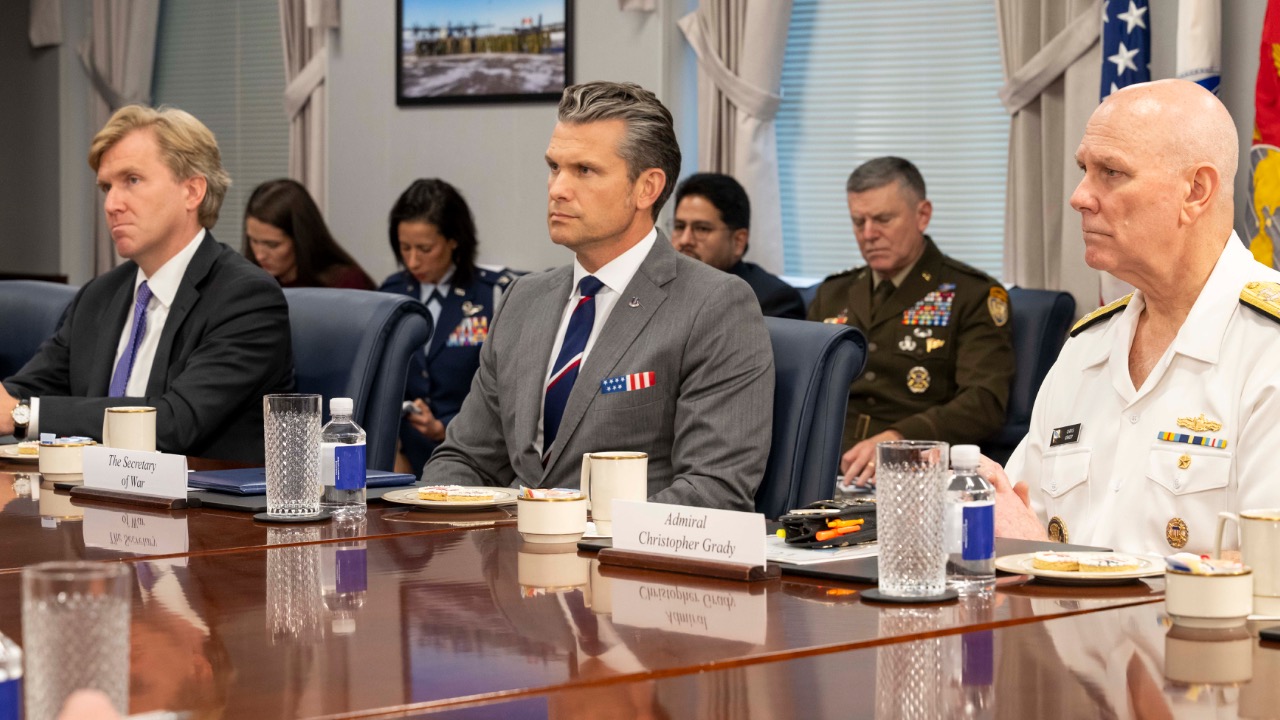
During a Pentagon press conference, Hegseth fielded a question from a reporter linked to the O’Keefe group about Hugg’s status. His reply was straightforward: the individual would no longer work there. The exchange left little room for interpretation and signaled an intent to act quickly on internal threats.
Hegseth also noted the department’s ongoing focus on countering leaks and protecting those in operational roles. He expressed frustration with certain media practices that publish sensitive details, framing the incident as part of larger efforts to strengthen internal safeguards rather than tolerate lapses.
What the Video Reportedly Showed About Sensitive Topics
In the recorded discussion, Hugg touched on U.S. chemical capabilities and referenced a fatal exposure incident involving an Army chemist. He also commented on airstrikes connected to Iran, describing civilian deaths as collateral damage. Additional remarks reportedly addressed potential actions against Iranian leadership figures.
These statements, made outside secure channels, prompted swift scrutiny. Officials investigate whether any actual classified information crossed lines, even as the public nature of the talk itself created problems for someone in his position. The content fueled debates about personal boundaries and professional caution.
Immediate Pentagon Actions Following the Exposure
The Army moved Hugg out of the building and onto administrative leave while investigators examined the full scope of the conversation. This step allows time for a thorough assessment without immediate disruption to related programs. Escorting him from the Pentagon underscored the seriousness with which leadership treated the matter.
Such measures align with standard procedures for potential security incidents. They aim to limit further risk while gathering facts. In this case, the process culminated in confirmation of his departure from the role under Hegseth’s oversight.
Broader Implications for Personnel Reliability in Nuclear Roles
Positions involving nuclear surety demand consistent discretion because even informal comments can affect perceptions of U.S. capabilities. This situation serves as a reminder that training on operational security must extend beyond formal settings into everyday interactions. Review boards and reliability programs exist precisely to catch vulnerabilities before they escalate.
Observers note that high-profile incidents like this can prompt renewed emphasis on vetting and ongoing monitoring. For those working with sensitive portfolios, the expectation remains that caution applies at all times, regardless of the social context. The episode adds to conversations about balancing transparency with necessary secrecy in national defense.
Context of U.S.-Iran Tensions Surrounding the Incident
The timing coincides with ongoing U.S. involvement and negotiations related to Iran. Comments in the video about strikes and leadership targets fed into existing discussions about military operations in the region. Officials have worked to manage information flow carefully amid these dynamics.
Public disclosures, whether intentional or careless, can influence diplomatic calculations and market assessments of potential conflict duration. In this environment, maintaining control over sensitive details becomes even more critical for those in policy and operational support roles.
Reactions and Questions About Security Training
Following Hegseth’s comments, some asked whether broader changes to espionage awareness programs might follow. The secretary indicated that the department already treats leaks seriously and continues to watch for internal risks. The incident has sparked discussion about whether current protocols sufficiently address modern investigative techniques.
Analysts point out that dating apps and casual encounters introduce variables that traditional training may not fully anticipate. This case could lead to refreshed guidance for personnel on recognizing and avoiding such situations while still performing their duties effectively.

Asher was raised in the woods and on the water, and it shows. He’s logged more hours behind a rifle and under a heavy pack than most men twice his age.