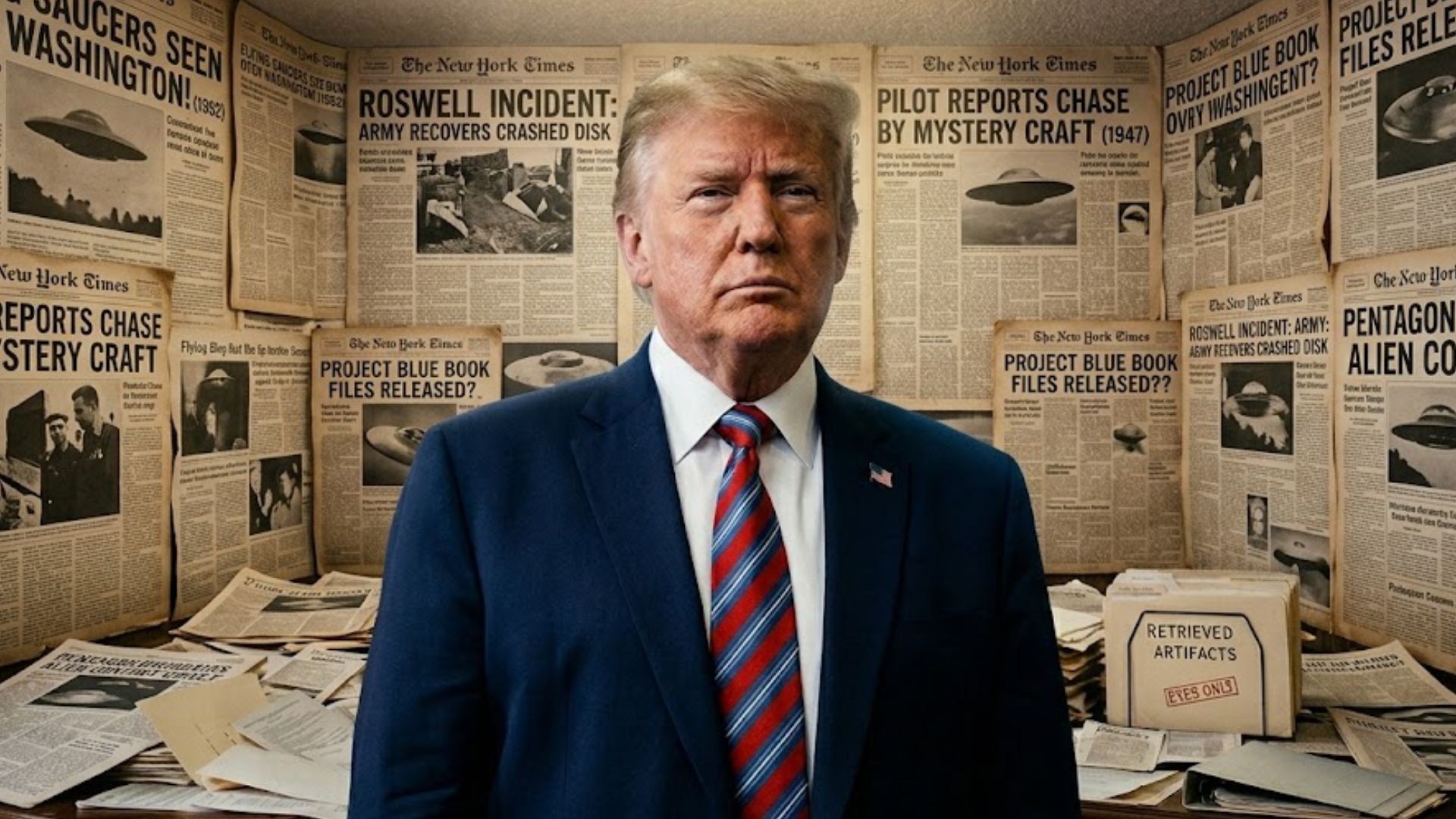
Trump Directs Pentagon to Release UFO Documents, Saying ‘We Found Many Very Interesting Documents’ and First Disclosures Will Begin ‘Very, Very Soon’
President Trump has reignited public fascination with unidentified aerial phenomena by ordering the Pentagon to examine and declassify government records on UFOs and possible extraterrestrial activity. In recent weeks, he shared updates from an ongoing review, noting the discovery of noteworthy materials and promising initial releases in the near future. This move builds on years of growing pressure from lawmakers, veterans, and civilians for greater transparency around unexplained sightings reported by military personnel. As someone who has covered national security and intelligence matters for decades, you see how such announcements tap into deep-seated questions about what the government has known and when.
The process reflects broader shifts in how Washington approaches these topics, moving away from outright dismissal toward measured acknowledgment of the data collected over time.
Trump’s Recent Remarks at the Phoenix Event

At a Turning Point USA gathering in Phoenix in mid-April, President Trump addressed the crowd directly about the review he initiated. He described directing the Department of Defense to look into files connected to unidentified aerial phenomena and related matters. According to his comments, the examination had already uncovered documents he characterized as very interesting, with the first batches scheduled for public view soon.
You might have followed similar briefings in the past, where officials balance caution with new details. Trump framed the timing as fitting for an audience attuned to these issues, adding that people could review the materials and draw their own conclusions once available. The remarks came amid other national conversations, keeping the focus on accountability in handling sensitive records.
The February Directive to the Pentagon
Earlier this year, President Trump instructed relevant agencies, including the Department of Defense, to begin identifying and preparing government files for release. The scope covers records on unidentified flying objects, unexplained aerial phenomena, and any connections to extraterrestrial life. Defense Secretary Pete Hegseth has been referenced in connection with overseeing aspects of the effort.
This step followed public and congressional interest in declassifying more materials. You understand from prior reporting how such directives aim to consolidate information scattered across departments. Officials have indicated the work involves careful review to protect sources and methods while increasing openness where possible.
Context from Earlier Government UFO Efforts
Over the past decade, the Pentagon has released videos and reports documenting encounters by Navy pilots and other service members. These include objects displaying unusual flight characteristics that defied conventional explanations at the time. Congressional hearings have featured testimony from insiders calling for better data sharing.
You recall how programs like the Advanced Aerospace Threat Identification Program operated with limited visibility before details emerged. The current push continues that pattern of incremental disclosure, responding to persistent questions from both Capitol Hill and the public about unexplained activity in restricted airspace.
Public and Congressional Pressure Building
Lawmakers from both parties have pressed for fuller access to UAP-related information, including demands for specific video footage. In recent months, a deadline for handing over certain classified recordings passed without full compliance, prompting further scrutiny. Figures like Representative Tim Burchett have voiced support for presidential involvement to cut through bureaucratic hurdles.
Engagement on this topic extends well beyond Washington. Polls and online discussions show sustained curiosity among Americans about potential national security implications and scientific possibilities. The administration’s actions appear calibrated to address that demand without overpromising immediate breakthroughs.
Role of the Defense Department in the Review
The Pentagon maintains primary responsibility for assessing and declassifying relevant records under the president’s guidance. Spokespeople have confirmed ongoing coordination with other agencies to organize materials for potential release. Past statements from the department emphasize that most sightings receive prosaic explanations, though some cases remain unresolved.
As you review these developments, the emphasis stays on methodical evaluation rather than speculation. This includes weighing operational sensitivities against the goal of informing the public. Coordination across intelligence communities helps ensure consistency in what reaches the open domain.
Potential Timeline and What Comes Next
President Trump indicated that initial document releases would arrive very soon after his Phoenix comments. No precise calendar has been published, but the process is described as actively underway. Additional updates may surface through official channels or further public statements.
You can expect materials to appear in stages, possibly starting with less sensitive items. Monitoring Defense Department announcements or dedicated portals will help track progress. This phased approach mirrors earlier transparency initiatives on related subjects, allowing time for verification and context.
Broader Implications for Transparency Debates
Actions like this highlight ongoing tensions between secrecy and openness in government. Advocates argue that greater access builds trust and advances scientific understanding. Critics caution against compromising capabilities or fueling misinformation.
In your experience covering these intersections of policy and public interest, outcomes often depend on execution. The coming weeks will show how the released information shapes conversations about aerial threats, technology, and humanity’s place in a larger universe. Continued reporting will separate verified details from speculation as more becomes available.

Asher was raised in the woods and on the water, and it shows. He’s logged more hours behind a rifle and under a heavy pack than most men twice his age.