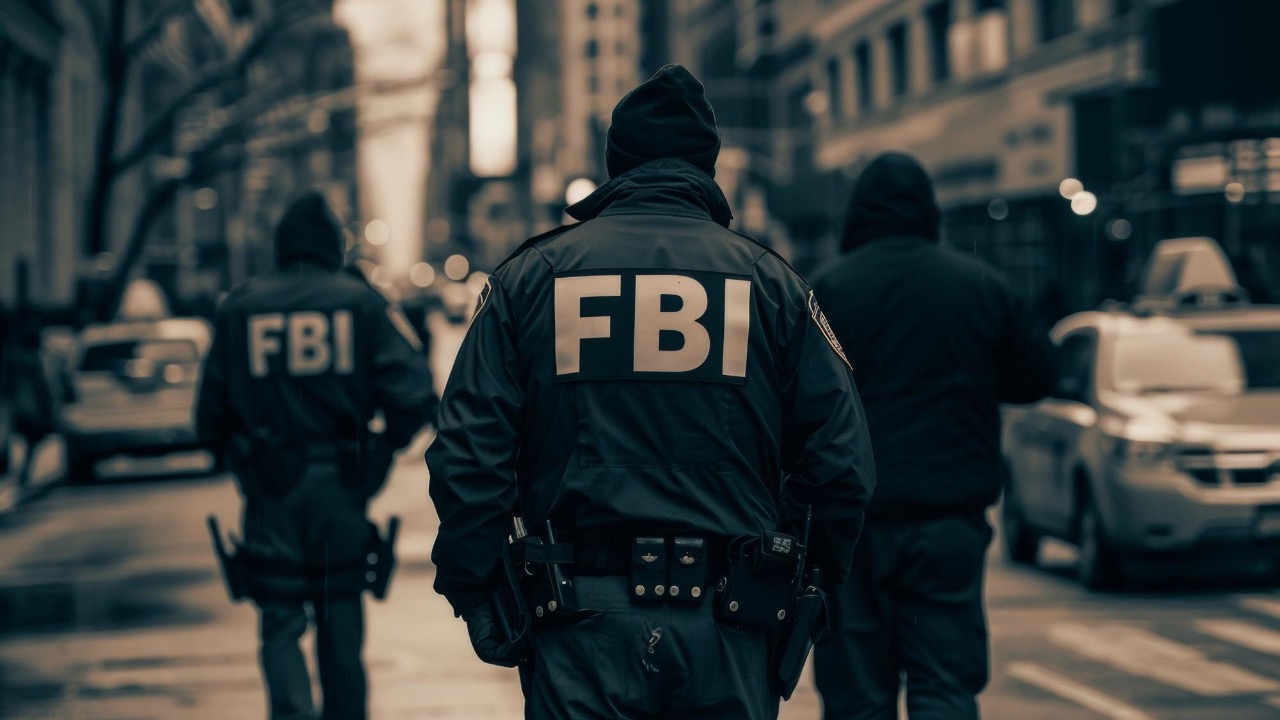
F.B.I. Raids Alleged Somali Fraud Operations Across Minnesota
Federal agents moved swiftly across the Twin Cities area on a Tuesday in late April 2026, serving search warrants at roughly two dozen locations. Many of the sites belonged to businesses run by members of the local Somali community, including several child care centers and at least one senior services facility. You watch the images circulate: agents carrying out boxes and equipment from storefronts that had operated for years in neighborhoods with heavy immigrant populations. Officials described the action as part of a long-running fraud probe, not an immigration sweep.
The operation drew immediate attention from both state leaders and national observers. Governor Tim Walz and local lawmakers responded publicly while a concurrent legislative hearing examined oversight of public assistance programs. For residents in Minneapolis and surrounding suburbs, the scenes raised questions about how federal dollars flow through community-based services and whether gaps in monitoring allowed problems to grow.
How the Investigation Gained Momentum
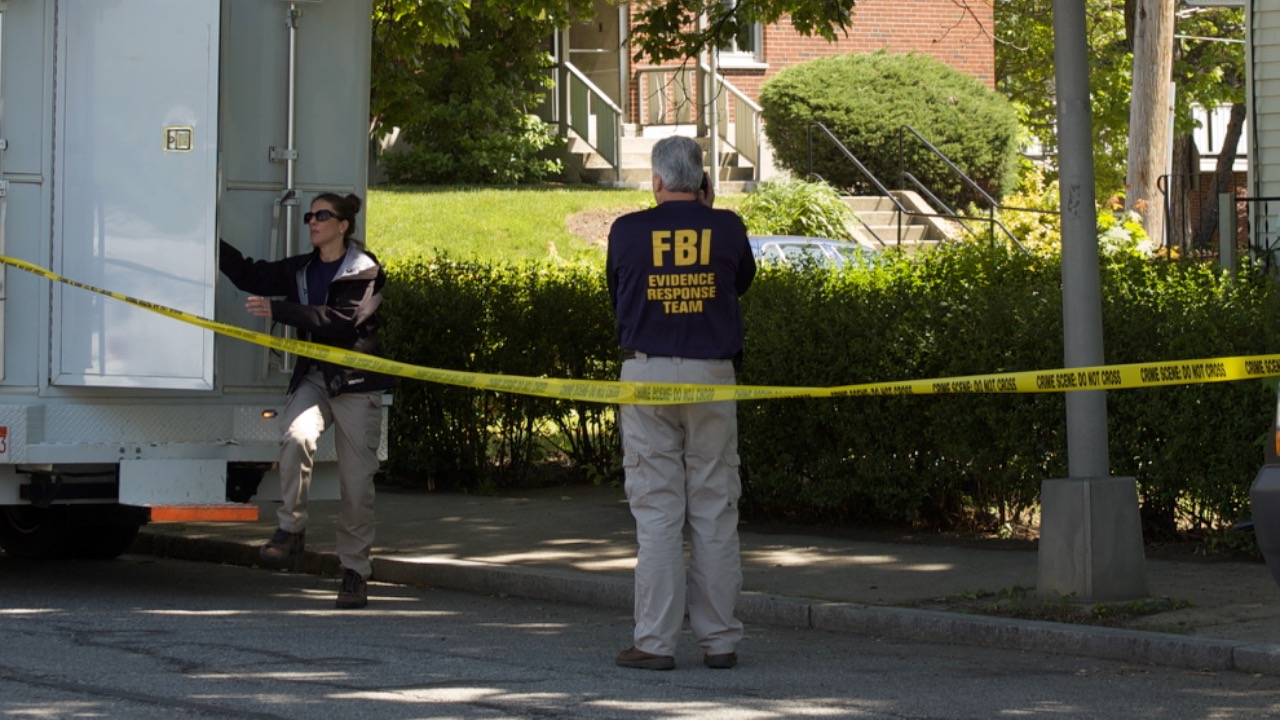
Years of separate cases involving federal nutrition programs and child care assistance set the stage for today’s activity. Prosecutors had already secured convictions in schemes that diverted millions meant for children’s meals during the pandemic. Those earlier efforts highlighted patterns in billing and documentation that investigators say continued in other programs. You see connections drawn between past guilty pleas and the current warrants.
Recent public videos and reporting spotlighted specific centers receiving large payments while appearing to serve few or no eligible children. That attention prompted renewed scrutiny from federal agencies. Law enforcement built on existing leads rather than starting from scratch, expanding resources to examine records across multiple providers. The goal remained straightforward: follow the money and verify services claimed.
What Agents Targeted Today
Search warrants covered child care facilities, home health providers, and related businesses, many in areas with significant Somali populations. Places like the Quality Learning Center, already under public discussion, appeared among the sites visited. Agents also entered locations offering adult day services.
You notice the careful framing from authorities. Statements emphasized court-authorized actions focused on financial allegations, not ethnicity or immigration status. Boxes of documents and electronic devices left the premises as evidence teams worked methodically. No immediate arrests were reported during the initial sweeps, consistent with the investigative phase of such operations.
Background on Minnesota’s Somali Community
Minnesota is home to one of the largest Somali populations in the United States, concentrated in the Twin Cities after decades of resettlement. Many arrived as refugees and built businesses in child care, transportation, and retail to serve their neighbors. These enterprises often filled gaps in state-funded programs, providing culturally familiar services.
Community leaders point to high participation rates in public assistance roles as evidence of integration efforts. At the same time, critics highlight instances where oversight lagged, allowing some operators to inflate claims or misrepresent enrollment. The tension between these views has simmered for years, surfacing again with each new disclosure.
Previous Fraud Cases and Patterns
Federal prosecutors secured dozens of convictions tied to a $250 million scheme involving a nonprofit called Feeding Our Future. Most defendants in related cases came from Somali backgrounds, according to court records. The fraud involved billing for meals that were never provided or distributing aid improperly.
Similar allegations surfaced in child care assistance and Medicaid billing. Investigators documented cases of ghost employees, exaggerated attendance, and payments routed through complex networks. These patterns informed the broader probe that led to today’s warrants. You recognize how one set of discoveries often uncovers others in tightly knit business circles.
State and Federal Responses
Minnesota officials, including those overseeing human services, faced questions during legislative hearings held the same day as the raids. They described existing safeguards and cooperation with federal partners. Governor Walz commented on the need for accountability without broadly condemning any group.
At the federal level, the FBI and Department of Homeland Security stressed program integrity. Director Kash Patel noted additional resources assigned to Minnesota to address large-scale fraud concerns. Statements avoided linking the actions to broader policy debates while underscoring commitment to recovering misused funds.
Impact on Local Businesses and Residents
For operators whose sites were searched, the day brought disruption and uncertainty. Some centers closed temporarily or saw staff sent home while agents worked. Neighbors observed the activity with a mix of concern and resignation, especially in areas already strained by economic pressures.
You consider the ripple effects. Families relying on these providers for child care or senior services may need to find alternatives quickly. Legitimate businesses worry about reputational damage from association with the investigation. The Somali community as a whole navigates heightened scrutiny that can blur lines between specific allegations and collective reputation.
Questions About Oversight and Accountability
Broader discussions now center on how state agencies approve and monitor providers receiving federal dollars. Lawmakers pressed for details on payment verification and site inspections. Gaps in real-time auditing appear to have allowed questionable billing to persist.
Reform ideas include stricter enrollment checks, electronic attendance tracking, and cross-agency data sharing. Advocates for immigrant communities call for balanced enforcement that protects genuine services while pursuing fraud. The coming weeks will likely bring more details from unsealed warrants and potential charges.
Looking Ahead in the Probe
Federal officials indicated the operation represents one step in an ongoing effort. Additional warrants and interviews could follow as analysts review seized materials. You expect public updates only when they serve the investigation, leaving many details private for now.
Minnesota residents, regardless of background, share an interest in ensuring tax dollars reach intended purposes. The story continues to develop, with implications for how the state administers social programs and how communities respond to external pressure.

Asher was raised in the woods and on the water, and it shows. He’s logged more hours behind a rifle and under a heavy pack than most men twice his age.