Would-Be Trump Assassin Compared Former President to Hitler, Urged Gun Purchases by Trump Opponents and Questioned Legitimacy of 2024 Election, Records Show
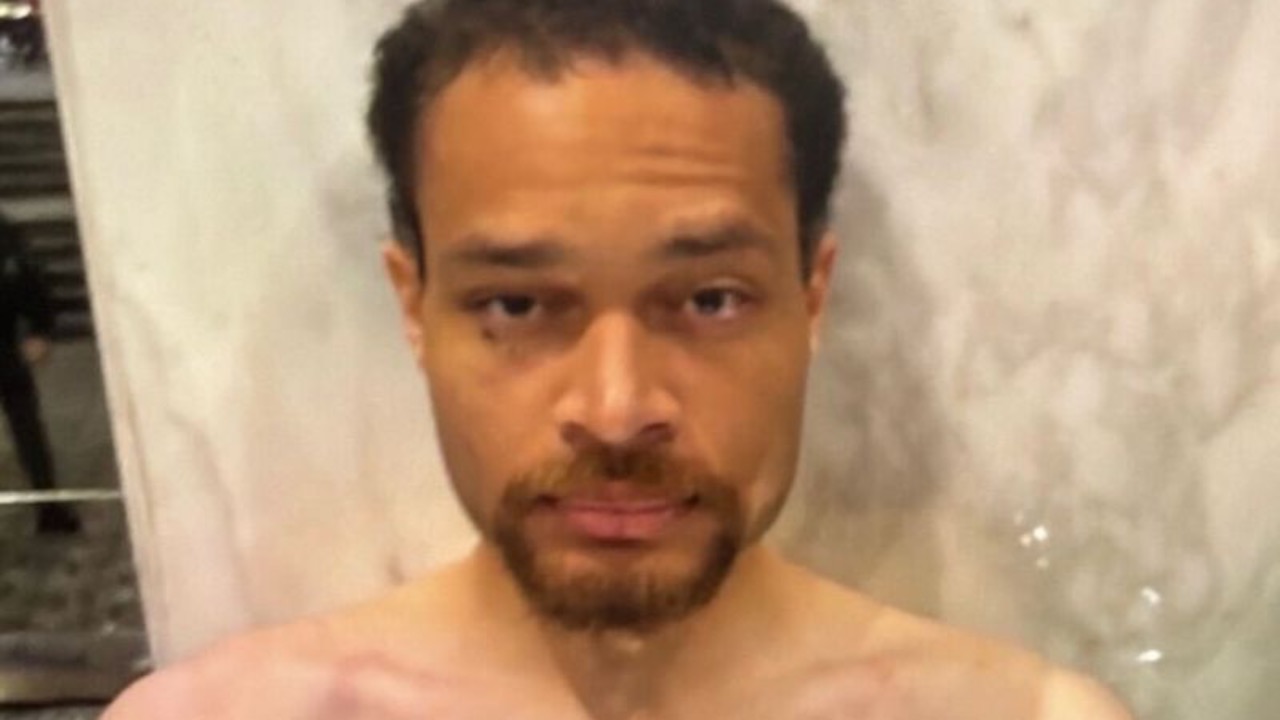
Incidents like the one at the White House Correspondents’ Dinner remind everyone how quickly heated words can intersect with real-world actions in a divided country. Cole Tomas Allen, a 31-year-old tutor and computer engineer from Torrance, California, stands accused of attempting to carry out an attack during an event attended by President Trump and other prominent figures. Court records and investigators’ findings paint a picture of someone whose online expressions grew increasingly intense over time.
Such events force a closer look at the pathways that lead individuals toward confrontation. Allen’s case involves documented social media activity and writings that authorities link directly to his alleged motivations. Understanding these details helps clarify the broader patterns without simplifying complex personal histories.
The Suspect’s Background
Cole Tomas Allen built a life around education and technology before the events of that April evening. He worked as a tutor and held credentials in computer engineering, with interests that once centered on video game design. Neighbors and acquaintances described him as quiet in many settings, someone who kept to routines that appeared ordinary on the surface.
His shift toward more pointed political commentary came gradually. Records show a progression in his digital footprint, moving from discussions of games and tech to stronger statements about national leadership. This evolution offers context for how personal frustrations can align with larger public debates.
Online Expressions of Frustration
Allen maintained accounts where posts about Trump took on sharper tones in recent years. He shared content that drew direct parallels between the former and current president and historical figures like Hitler, amplifying messages that framed Trump in extreme terms. These retweets and comments reflected a deepening sense of alarm.
The platforms captured his growing engagement with ideas that questioned institutional outcomes. Observers note how such spaces can accelerate personal convictions, turning private discontent into public calls for action. Allen’s activity fits within a recognizable pattern of users whose feeds become echo chambers of opposition.
Calls for Arming Opponents
Among the materials reviewed by investigators, Allen encouraged those who opposed Trump to consider acquiring firearms. He suggested timing around periods of political tension, positioning gun ownership as a necessary response for critics. This rhetoric appeared alongside his other political statements.
Such urgings stand out because they bridge ideological disagreement with practical preparation for conflict. Authorities examining his devices found these messages contributed to the profile of someone preparing for more than debate. The combination of words and later actions raises ongoing questions about where advocacy ends and preparation begins.
Doubts About Electoral Processes
Allen engaged with content that cast doubt on aspects of the 2024 election cycle. He amplified posts questioning the legitimacy of certain results and even speculated about the earlier Pennsylvania incident involving Trump. These shares aligned with his broader criticisms of the administration.
Skepticism toward elections has circulated widely across political lines for years. In Allen’s case, it fed into a narrative of systemic failure that seemed to justify stronger measures. His writings suggested a belief that normal channels had broken down, pushing him toward the steps he allegedly took.
The Evening at the Correspondents’ Dinner
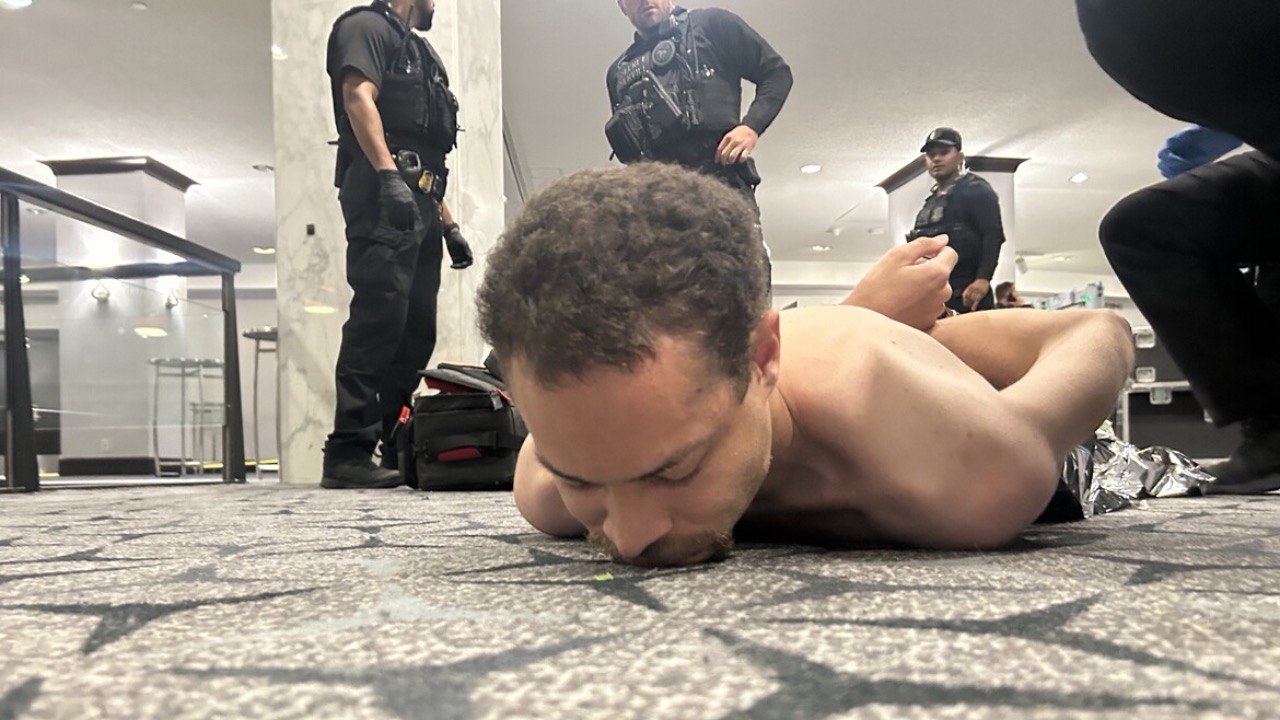
On Saturday night, security at the Washington event confronted Allen as he attempted to move past checkpoints while armed. Shots were fired during the encounter, prompting immediate evacuation measures for President Trump and attendees. Secret Service and local authorities subdued him at the scene.
The disruption turned a high-profile gathering into a scene of chaos. Eyewitness accounts describe guests taking cover while law enforcement responded swiftly. This latest incident added to the tally of threats against Trump, highlighting vulnerabilities even in heavily secured environments.
Writings Left Behind
Before the attempt, Allen sent messages to family members that investigators describe as a manifesto. In them, he referred to himself using the phrase “Friendly Federal Assassin” and outlined opposition to Trump administration policies. These documents provided early insight into his stated intentions.
The content revealed a sense of personal mission tied to perceived national problems. Such writings often serve as both explanation and warning in these investigations. They allow prosecutors to connect thought to deed in building their case.
Criminal History and Charges
Federal prosecutors charged Allen with attempted assassination of the president, along with firearms violations tied to interstate transport and use during a violent crime. He appeared in court shortly afterward, where details of the evidence began to emerge. The counts carry significant penalties if convictions follow.
His prior record appears limited compared with the gravity of these new accusations. The focus now rests on linking his online record, the manifesto, and the physical evidence from the scene. Court proceedings will test how these elements hold up under scrutiny.
Implications for Public Discourse
Cases involving Allen prompt reflection on the temperature of national conversation. When comparisons to dictators become routine and gun ownership is urged in political contexts, the line between speech and incitement blurs for some individuals. Society continues to grapple with balancing open expression against real risks.
No single voice creates these outcomes, yet patterns in rhetoric can influence those already on edge. Moving forward, attention falls on how leaders and platforms address these dynamics without curtailing legitimate debate. The incident serves as another data point in a long-running American conversation about violence and politics.

Asher was raised in the woods and on the water, and it shows. He’s logged more hours behind a rifle and under a heavy pack than most men twice his age.