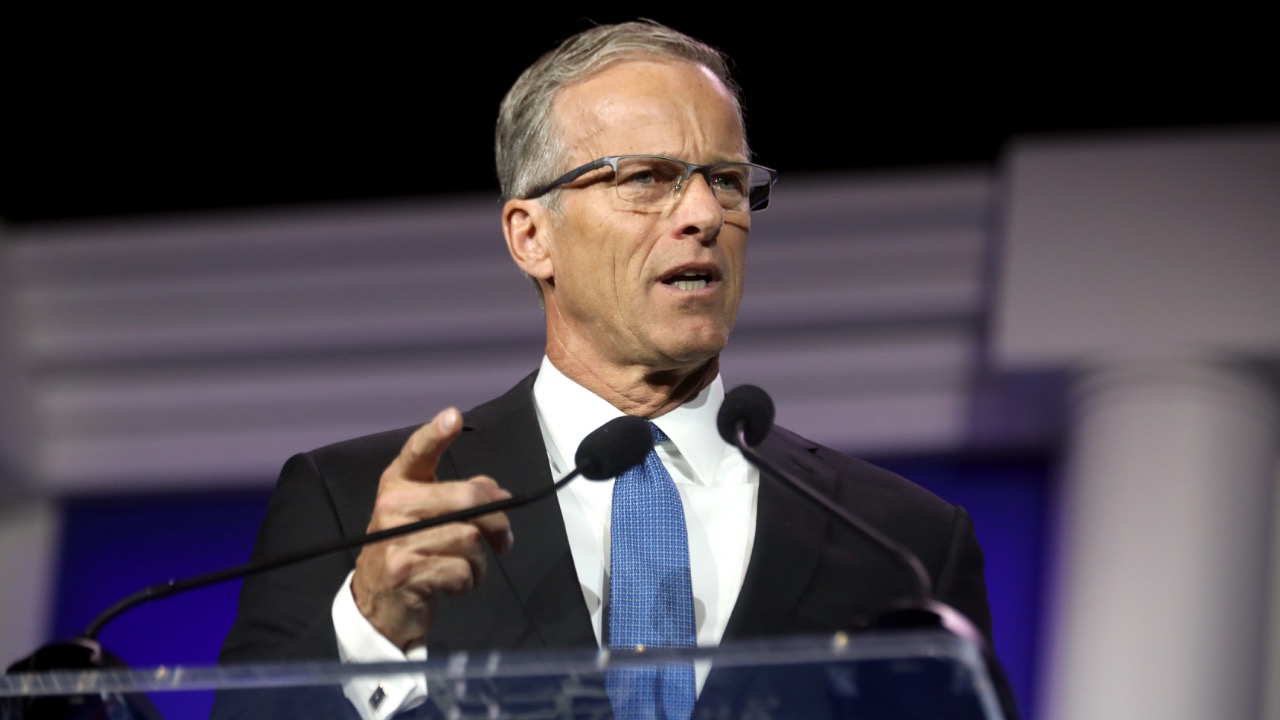
Senate Majority Leader Thune Remains Silent on Assassination Attempt Against President Trump
You watch the news unfold after another attempt on the president’s life, this time at the White House Correspondents’ Dinner. Details emerge about a suspect who traveled with weapons and clear intent. In Washington, reactions pour in from across the political spectrum. Yet from the office of the Senate’s top Republican, the response stays quiet. No immediate floor speech. No public statement in the hours that followed. That absence stands out against the pattern of past violence directed at Trump.
The role carries weight. As majority leader, John Thune sets the chamber’s tone on national crises. Colleagues and constituents look to him for clarity when institutions face strain. His earlier comments on previous incidents showed measured concern and calls for better protection. This time, the calendar turns without those words. You notice how leadership silence can shape what the public hears and expects next.
The Weight of the Position
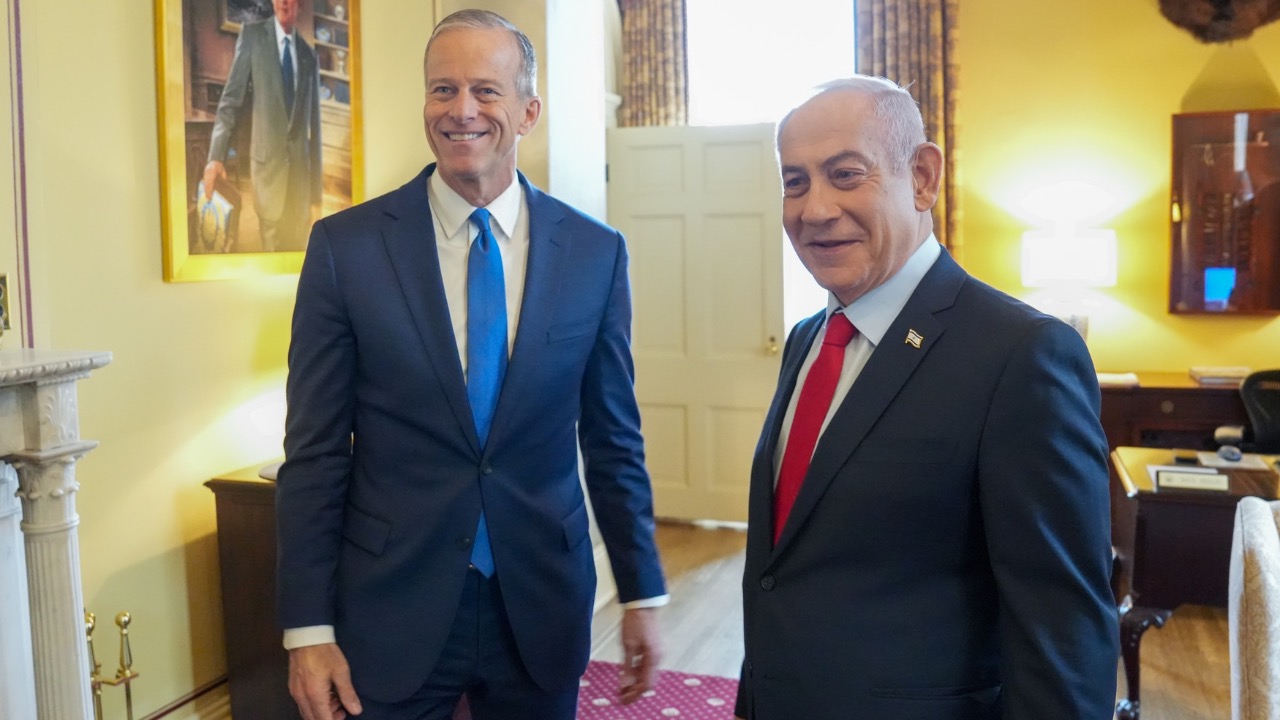
Senate Majority Leader John Thune holds one of the most visible jobs in Congress. Every public word he offers carries reach across party lines and into news cycles. When violence targets the president, the leader’s voice helps frame the moment for millions. Supporters expect condemnation and unity. Critics watch for consistency with past positions.
In this latest case, the gap between event and any formal reaction draws attention. Other Republicans spoke quickly. Thune’s office stayed reserved at first. You see how that choice affects trust among those who want strong institutional pushback against political threats. The job demands navigation between party loyalty and independent judgment, especially under pressure.
Context of Repeated Threats
President Trump has now faced multiple documented attempts on his life in recent years. Each one raises fresh questions about security, rhetoric, and the health of public life. Law enforcement details in the most recent incident point to planning and movement across states. The target list reportedly went beyond Trump to include others in the administration.
You consider the broader pattern. Previous attacks in 2024 brought swift statements from leaders across the aisle. Investigations followed, along with debates over Secret Service protocols and online radicalization. This recurrence tests the system’s ability to adapt. The absence of an early statement from Thune leaves room for speculation about priorities inside the majority.
Reactions from Capitol Hill
Fellow senators and House members issued statements within hours of the latest attempt. Some focused on gratitude for quick law enforcement action. Others tied the event to ongoing debates about funding and border security. Social media filled with calls for stronger protections and condemnations of violence.
Thune’s eventual remarks on the Senate floor addressed the horror of the event and noted it as the third attempt. He thanked responders and stressed that political violence must stop. Yet the delay before those comments fueled online frustration among some Trump supporters who wanted an immediate, forceful response. You see the tension between deliberate leadership style and demands for rapid visibility.
Party Dynamics in the Majority
Republicans control the Senate with a narrow edge. Thune manages that slim margin while balancing relationships with the White House. Past differences with Trump have been public, particularly around procedural matters like the filibuster. Those histories color how people read his restraint now.
You observe how internal GOP expectations shift under unified government. Base voters push for alignment with the president on every issue. Institutionalists favor caution to preserve Senate norms. Thune has walked that line before. The current silence, even if temporary, highlights those competing pulls inside the conference.
Public Expectations and Accountability
Americans across regions follow these moments closely. Many want clear rejection of violence no matter the target. Polls and conversations show fatigue with polarized responses that treat threats as political tools. When a top leader holds back, questions arise about whether partisanship overrides basic principle.
In your reading of the coverage, Thune’s approach reflects a preference for floor remarks over rapid tweets or press releases. That style suits the chamber’s traditions. At the same time, it risks appearing detached when public anxiety runs high. The episode adds to ongoing conversations about what effective leadership looks like in divided times.
Looking Ahead After the Incident
Investigations will continue into the suspect’s background, motives, and any failures in prevention. Congress may take up additional security measures or oversight hearings. Thune will likely play a central role in scheduling and shaping that work as majority leader.
You watch to see whether this latest event prompts broader action on political violence. Past attempts led to reviews but limited lasting change. The coming weeks will test whether leaders can move past statements into concrete steps that reduce risks for everyone in public life. The silence at the start serves as one data point in a longer story about response and responsibility.

Asher was raised in the woods and on the water, and it shows. He’s logged more hours behind a rifle and under a heavy pack than most men twice his age.