U.S. Department of Agriculture Reports New Data on Crop Losses Following Trade Disruptions
Fresh figures from the U.S. Department of Agriculture show that trade disruptions are not just bruising export charts, they are reshaping which crops survive on American farms and which operations can stay in business. The new data on crop losses arrives as federal officials race to roll out emergency aid, revealing a sector still absorbing the shock of tariffs, weak prices, and volatile global demand. Together, the numbers and the response sketch a farm economy in transition, with long term consequences for rural communities.
Rather than a single bad year, the statistics point to a grinding squeeze in which some producers are losing markets faster than they can adapt. The Department of Agriculture is pairing its latest reporting with a suite of programs meant to bridge farmers through the current season, yet the scale of consolidation and income decline suggests that trade related losses are colliding with structural pressures that will not vanish when the next aid check arrives.
Trade disruptions and the pattern of crop losses
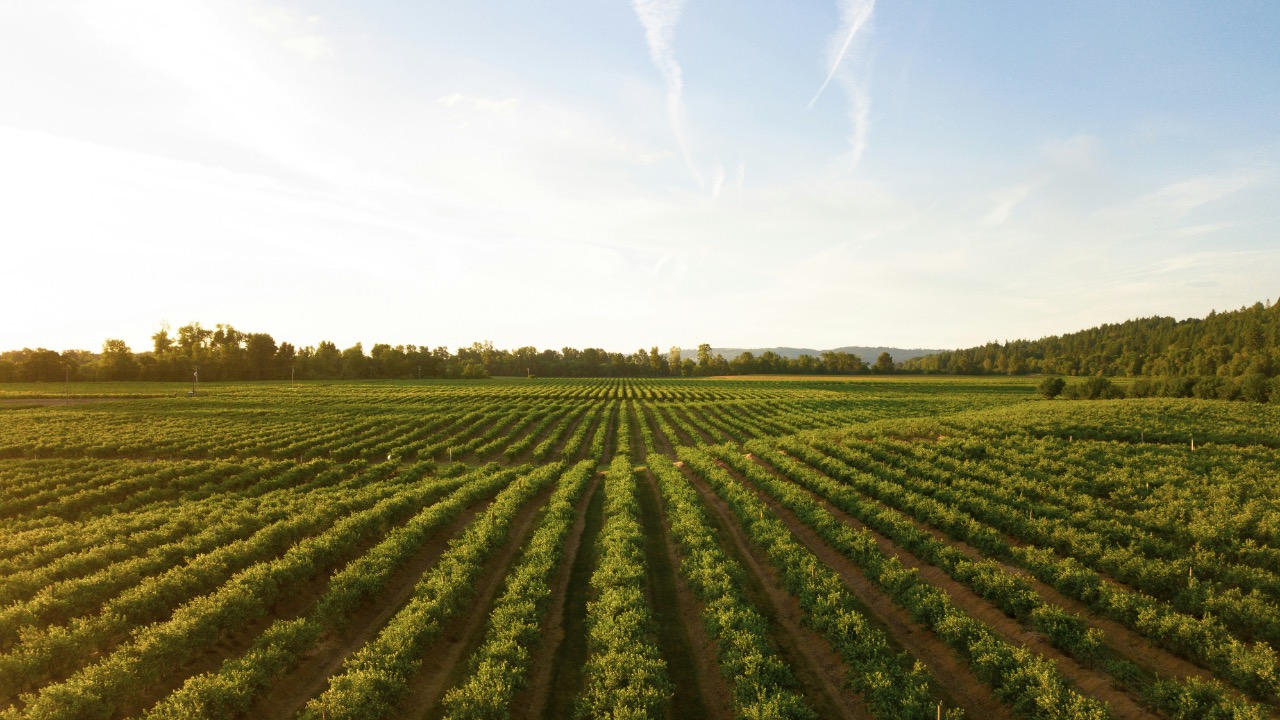
New data from the Department of Agriculture indicates that trade conflicts are not hitting all crops equally, and that matters for how losses ripple across regions. An analysis of export exposure shows that major row crops such as soybeans and corn, along with key livestock sectors, have been particularly vulnerable when foreign buyers respond to tariffs with their own barriers. During the trade war that began in 2018, retaliatory measures triggered steep declines in shipments of U.S. farm goods, leaving producers with surplus supplies and lower prices in domestic markets. Those conditions have contributed directly to crop losses as growers cut back planted acres or abandon less profitable rotations in favor of whatever can still move overseas.
The same analysis finds that the top agricultural commodities most reliant on foreign markets were the ones facing the sharpest export declines once trade tensions escalated. That pattern matches what farmers have reported in states that depend on overseas demand for soybeans, pork, and specialty crops, where entire marketing plans were built around predictable access to buyers in Asia and other regions. As those outlets wobbled, many producers shifted acreage or left fields fallow, and some specialty growers simply exited high value crops that no longer penciled out. The cumulative effect, captured in the Department of Agriculture’s new data, is a map of crop losses that tracks closely with the front lines of the recent trade conflict, as described in the export analysis from trade war impact.
Farm consolidation and structural strain
The department’s latest snapshot of farm structure shows how trade related stress is landing on a sector that was already consolidating. New data circulated in Feb under the label New U.S. Department reports that the number of farms has fallen to 1.865 m, a figure that reflects years of smaller and mid sized operations either closing or being absorbed into larger neighbors. According to another summary of the same February report, the USDA found that the United States lost 15,000 farms in 2025, and observers expect another 15,000 to disappear or merge with larger neighbors in the current year. That attrition means that when trade shocks arrive, fewer and generally larger businesses are left to absorb them, while smaller producers often lack the financial cushion to ride out a season of poor prices or lost contracts.
Income projections from the same federal outlook underline how fragile the situation has become. A separate analysis of the USDA’s forecast notes that net farm income is expected to slip again in 2026 and remain roughly $48 billion, which is described as 24 percent below a recent peak. That level may still sound large, but spread across a shrinking number of farms and rising input costs, it leaves little room for error when markets seize up. The combination of 1.865 m farms, the loss of 15,000 operations in a single year, and a projected income plateau near $48 billion illustrates why trade related crop losses are translating so quickly into structural change, as captured in the consolidation figures and the USDA income forecast.
Farmer Bridge Assistance and new USDA lifelines
Against that backdrop, the Department of Agriculture is trying to keep trade related crop losses from tipping more farms over the edge. Earlier this month, the agency opened enrollment for the Farmer Bridge Assistance program, a one time $11 billion package of so called bridge payments that aims to stabilize cash flow for producers facing lower prices and higher costs. A detailed explanation of the sign up process describes how farmers can enroll now and must complete applications by an April 17 deadline in order to claim the Department of Agriculture’s $11B bridge payments that are meant to carry them into the spring planting season. The Farmer Bridge Assistance design is meant to be broad, covering a wide range of commodities so that producers hurt by trade disruptions, weak demand, or other shocks can access help in time to make planting decisions.
Federal officials have framed the program as a key piece of the farm safety net in a period of unusual uncertainty. In a separate announcement from Washington, Secretary of Agriculture Brooke Rollins described how the Department of Agricu is using the Farmer Bridge Assistance initiative to strengthen the farm safety net and maintain production capacity in rural areas that have been squeezed by trade disputes. The department’s press release on the enrollment period lays out payment formulas and eligibility rules, and it positions the bridge payments as a complement to existing crop insurance and disaster tools rather than a replacement. Taken together, the public descriptions of the Farmer Bridge Assistance program, including the April 17 deadline and the official enrollment announcement, show an agency trying to move money quickly enough to influence this year’s crop choices.
Targeted purchases and specialty crop support
The Department of Agriculture is also leaning on its purchasing authority to blunt the impact of trade disruptions on specific commodities. In a Feb statement, Secretary Rollins announced that the department will direct $263 million in new food purchases through its Agricultural Marketing Service Section 32 Purchases AMS program, a long standing tool that buys domestically produced and processed agricultural products for nutrition assistance. The allocation includes targeted purchases for products such as beef, dairy, and tree nuts, giving producers in those sectors an additional outlet at a time when export channels have been unreliable. By converting part of the surplus into food assistance, the department hopes to support prices, reduce on farm waste, and keep processing plants running.
Specialty crop growers, who often face unique marketing challenges, are receiving a separate boost. On February 13, the USDA announced one billion dollars in Assistance for Specialty Crop Farmers Program funding, a package designed to help fruit, vegetable, and nut producers recover from both market disruptions and natural disasters. That aid is distributed through local FSA county offices, which can tailor support to regional needs and specific crops. Together, the $263 million in Agricultural Marketing Service Section 32 Purchases AMS and the one billion dollar specialty crop initiative signal that the department sees trade related crop losses as intertwined with broader demand and disaster pressures, and is trying to cushion vulnerable sectors through targeted food purchases and specialty crop aid.
Do emergency payments match the scale of losses
Even with new lifelines, analysts caution that trade related damage to crops and farm finances may exceed what current aid can repair. A recent assessment of farm balance sheets concluded that While FBA and ECAP payments are an important and welcome step in addressing near term financial stress, they do not fully close the gap created by lower commodity prices and higher costs. The same review notes that losses continue to weigh on farm finances despite multiple federal programs, suggesting that some producers will still face tough decisions about scaling back operations, selling land, or exiting agriculture entirely. When those choices follow trade disruptions that undercut specific export dependent crops, the result can be long lasting shifts in what is grown in a region.

Leo’s been tracking game and tuning gear since he could stand upright. He’s sharp, driven, and knows how to keep things running when conditions turn.