Kid Rock Joins Defense Secretary Pete Hegseth for Ride in Apache Attack Helicopter Near Washington, Weeks After Army Scrutiny Over Similar Flight Near Musician’s Home
You step into the world of high-profile military outings and celebrity crossovers, and this one lands squarely in the middle of ongoing debates about how the Pentagon spends its time and resources. Defense Secretary Pete Hegseth climbed into an Army AH-64 Apache attack helicopter alongside musician Kid Rock on Monday near Washington. The flight took place at Fort Belvoir in Virginia, just weeks after Army pilots faced questions over similar maneuvers near the singer’s property in Tennessee.
The timing raises eyebrows in defense circles and among observers tracking civil-military relations. Hegseth described Kid Rock as a patriot and strong backer of service members while posting images from the day. Officials framed the outing as part of broader community efforts tied to America’s upcoming 250th anniversary commemorations. Yet it quickly drew fresh attention to questions about access, optics, and the boundaries between public service and personal connections.
The Recent Flight Near Washington
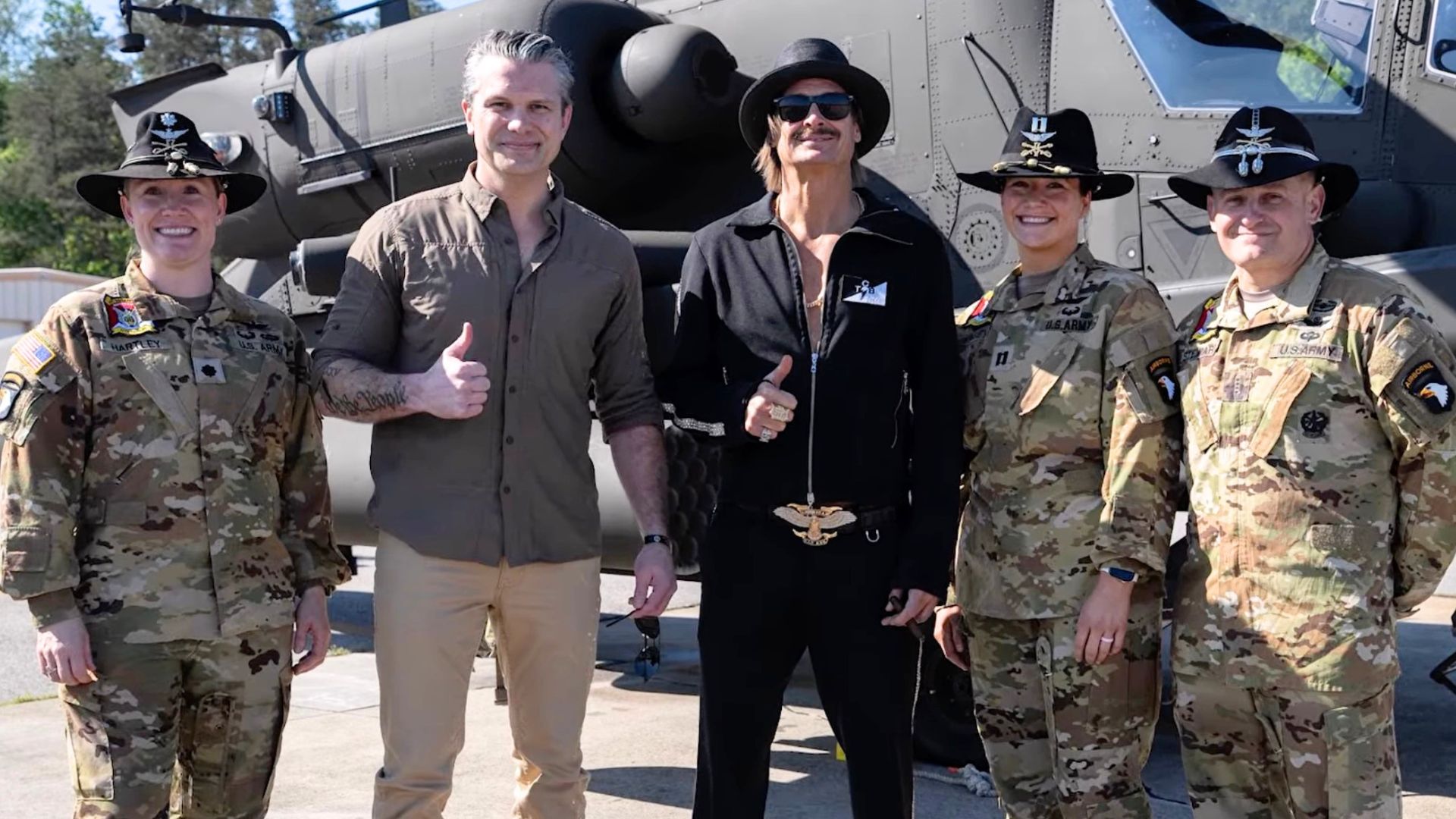
You watch as two prominent figures board separate Apache helicopters for a short flight over the Virginia countryside. Hegseth and Kid Rock each rode with Army pilots from units that had traveled from Fort Campbell, Kentucky. The aircraft circled the base area before landing after roughly ten minutes in the air. Pentagon spokespeople called it a community relations event supporting Freedom 250 initiatives.
Photos shared afterward show the pair standing near the powerful attack helicopters, smiling in front of the machinery. The Defense Secretary highlighted support for troops and the nation’s milestone celebration. For Kid Rock, known for his outspoken views and long-standing affinity for military themes in his music and public life, the experience offered another visible link to service members. Critics, however, pointed to the use of expensive military assets for what appeared more personal than operational.
Background on the Tennessee Incident
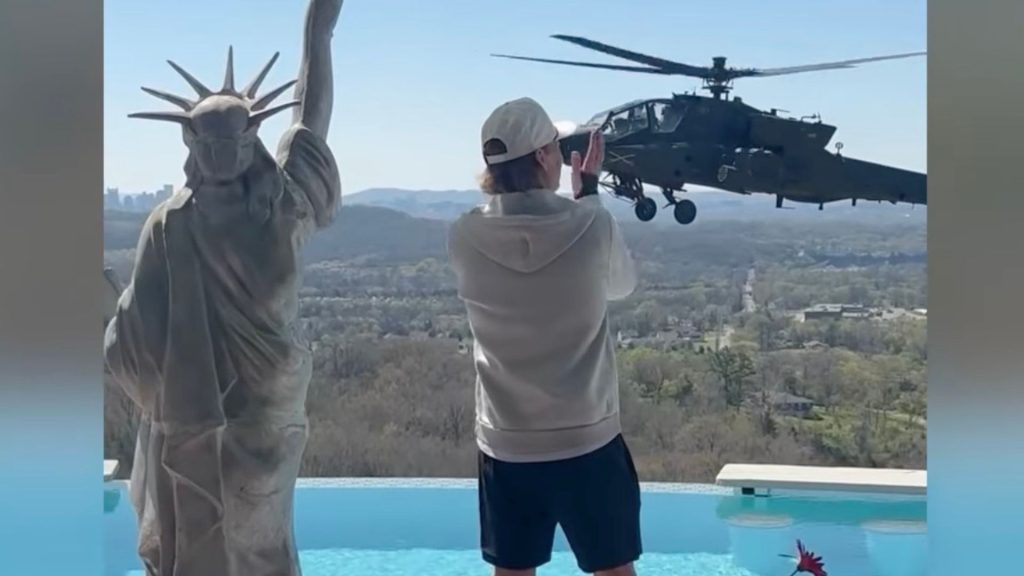
You recall the March episode that set the stage for this week’s scrutiny. Two Apache helicopters from the 101st Airborne Division flew low near Kid Rock’s Nashville-area home. They also passed over a downtown protest event. Videos captured the singer saluting the aircraft as they hovered nearby, sparking immediate online interest and questions.
Army officials initially described the activity as part of a training route in the region. They suspended the involved pilots and opened an administrative review to check procedures and authorization. The presence near both the residence and the protest fueled speculation about intent, safety, and taxpayer costs. Many wondered whether personal connections influenced the routing.
Hegseth’s Intervention in the Probe
You notice how quickly the earlier review wrapped up. After the suspensions, Hegseth stepped in directly. He publicly supported the pilots, called off further investigation, and signaled no punishment would follow. The message emphasized appreciation for service members and moved past the controversy.
This decision drew mixed reactions across military and political lines. Supporters viewed it as decisive leadership protecting troops from overzealous bureaucracy. Others saw it as bypassing standard processes and raising concerns about favoritism. The episode highlighted tensions between accountability and morale in today’s armed forces.
Kid Rock’s Long Ties to the Military
You consider the musician’s consistent public engagement with service members over the years. Kid Rock has performed at bases, visited troops overseas, and spoken frequently about respect for those who serve. His brand mixes rock, country, and patriotic imagery that resonates with many in uniform.
That rapport made Monday’s ride a natural extension for him, even as it fueled debate about boundaries. For the Defense Secretary, partnering with a high-profile supporter during anniversary-related activities aligned with efforts to boost visibility and recruitment messaging. The Apache, with its formidable reputation in combat roles, provided dramatic visuals for both men.
Questions About Costs and Optics
You weigh the practical side of these flights. Apaches represent significant investments in training hours, fuel, and maintenance. Using them for non-standard passenger rides prompts legitimate discussion about priorities, especially amid broader budget conversations in Washington. Pentagon officials defended the activity as outreach tied to national events.
At the same time, the back-to-back stories—one near a private home, another with the Secretary—create a narrative thread that invites closer examination. In an era when public trust in institutions matters, appearances carry weight. Observers from both sides continue parsing whether this reflects smart engagement or something less advisable.
Broader Context in Civil-Military Relations
You look at the larger picture of how civilian leaders and cultural figures interact with the armed forces today. High-visibility visits can strengthen connections and humanize the military for wider audiences. Yet they also risk perceptions of uneven access or politicization when tied to specific personalities.
Hegseth’s role as Defense Secretary brings his own background as a veteran and commentator into sharp focus here. The choice to join Kid Rock in the aircraft underscores a style that favors direct action and public signaling. How these moments land with career military personnel, lawmakers, and the public will shape discussions in the months ahead as anniversary events unfold.

Asher was raised in the woods and on the water, and it shows. He’s logged more hours behind a rifle and under a heavy pack than most men twice his age.