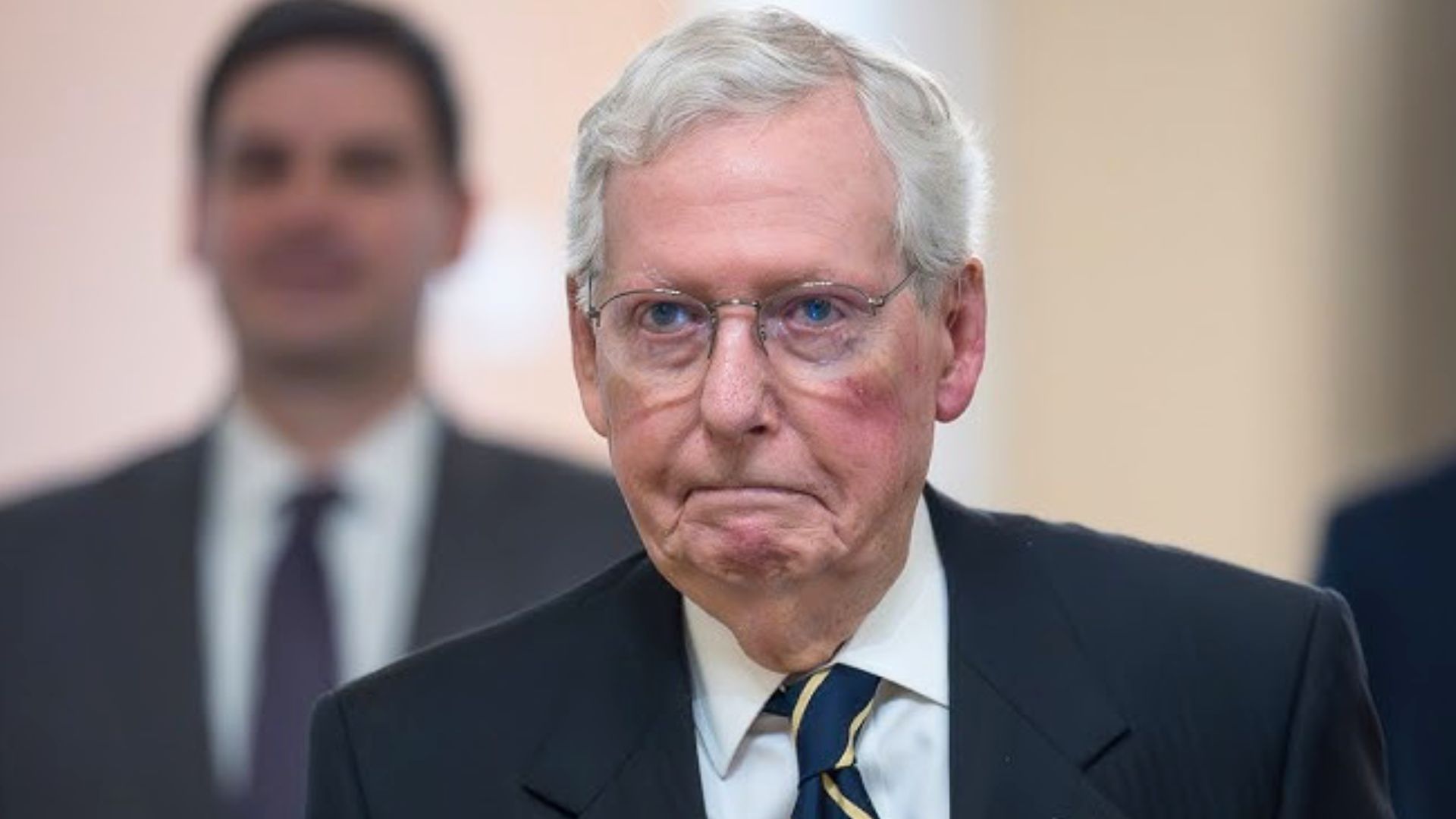
McConnell Publicly Urges Pentagon to Release Delayed Ukraine Aid Funds
Mitch McConnell has long positioned himself as one of the most consistent voices in Congress for sustained American support to Ukraine. In a pointed op-ed, the Kentucky senator, now leading the Senate Defense Appropriations Subcommittee, calls out the Defense Department for holding onto funds that lawmakers approved months earlier. This move reflects ongoing tensions inside the administration over how quickly to move weapons and assistance to Kyiv as it faces Russian advances. You see the stakes clearly when you consider the scale of the fighting and the role American supplies have played in slowing Moscow’s momentum.
The funds in question
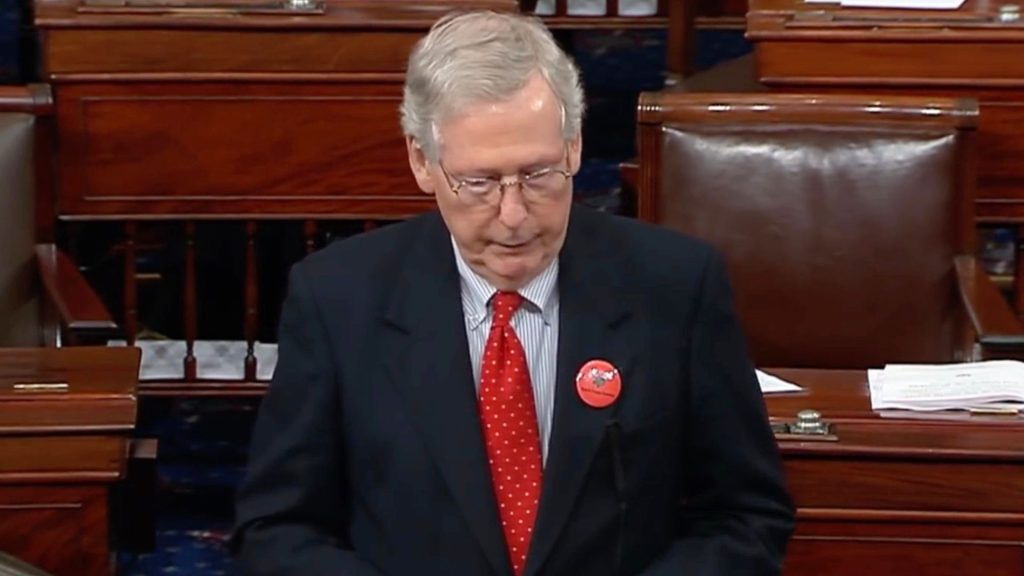
Congress authorized $400 million for the Ukraine Security Assistance Initiative in each of the next two years through the defense bills. Appropriators followed through with full funding for fiscal 2026, backed by strong majorities in the relevant committees. Yet that money sits unspent at the Pentagon, according to McConnell. The delay has left senators pressing for answers that have not come easily.
You can trace the frustration to repeated inquiries from appropriators that met resistance from the department’s policy office. McConnell highlights how this approach undercuts the clear intent of the legislation. The funds were meant to keep critical capabilities flowing to Ukrainian forces at a time when every week counts on the battlefield. Without prompt action, the gap between congressional direction and executive execution grows wider.
McConnell’s current role
As chair of the key defense spending panel, McConnell now holds direct oversight of Pentagon budgets. This gives his criticism added weight inside the building and on Capitol Hill. He frames the issue as a straightforward matter of following through on decisions already made by Republican-led committees. The senator argues that supporting Ukraine serves American security interests by confronting aggression before it reaches closer allies.
You notice how his language stays focused on investment rather than charity. Decades in the Senate have taught him how to link foreign assistance to domestic priorities like industrial base strength and deterrence. His public pressure aims to force faster movement on obligations that Congress already approved and funded. This stance aligns with his record of pushing for robust defense spending across multiple administrations.
Spotlight on policy leadership
McConnell directs attention to the Pentagon’s policy shop and its leader, Under Secretary Elbridge Colby. He describes instances where Senate staff sought explanations and received little cooperation. Reports also link Colby to earlier decisions that slowed certain shipments to Ukraine. The senator sees this as part of a pattern that risks undermining congressional priorities.
You understand why this matters in the chain of command. Policy officials shape how money gets obligated and how programs move forward. When those processes stall without clear justification, it creates friction between branches of government. McConnell wants transparency so lawmakers can assess whether legitimate constraints exist or whether preferences inside the department are overriding legislative direction.
Implications for the battlefield
Ukrainian units rely on timely deliveries of ammunition, systems, and training support to maintain defensive lines. Delays in releasing approved funds translate into slower replenishment of stocks that get depleted quickly in intense combat. McConnell warns that hesitation hands advantages to Russian forces already pressing forward in several sectors.
You consider the broader operational picture. American assistance has helped Ukraine innovate with drones and adapt tactics against a larger opponent. Holding back modest investments now could limit opportunities to gather real-world lessons that strengthen U.S. forces as well. The senator pushes for faster execution to keep pressure on Moscow and avoid signaling weakness.
Public opinion and political reality
Polls and surveys consistently show Americans favor helping Ukraine resist invasion, even if the issue receives less attention than domestic concerns. McConnell cites this data to counter narratives suggesting broad opposition to aid. He notes that Congress acted on that sentiment with clear bipartisan and Republican majorities on the relevant provisions.
You see the political calculation at work. Lawmakers from both parties supported the funding levels during the authorization and appropriations process. Public statements of frustration from a senior figure like McConnell aim to keep the focus on delivery rather than reopening debates already settled. It also reminds the executive branch that Congress retains tools to enforce its intent if needed.
Looking ahead on U.S. strategy
The episode highlights enduring questions about how the United States balances support for partners with its own resource constraints and shifting priorities. McConnell believes steady assistance to Ukraine strengthens America’s position globally without requiring massive new commitments. He urges the Pentagon to move the approved money so the country can learn from Ukrainian experiences and maintain credible deterrence.
You weigh the arguments on both sides. Advocates for caution point to domestic needs and risks of escalation. Supporters of the aid package counter that failure to follow through damages credibility with allies and invites further challenges elsewhere. McConnell’s intervention keeps the pressure on for resolution in the near term while the fighting continues.

Asher was raised in the woods and on the water, and it shows. He’s logged more hours behind a rifle and under a heavy pack than most men twice his age.