How many magazines are actually practical to keep for emergencies
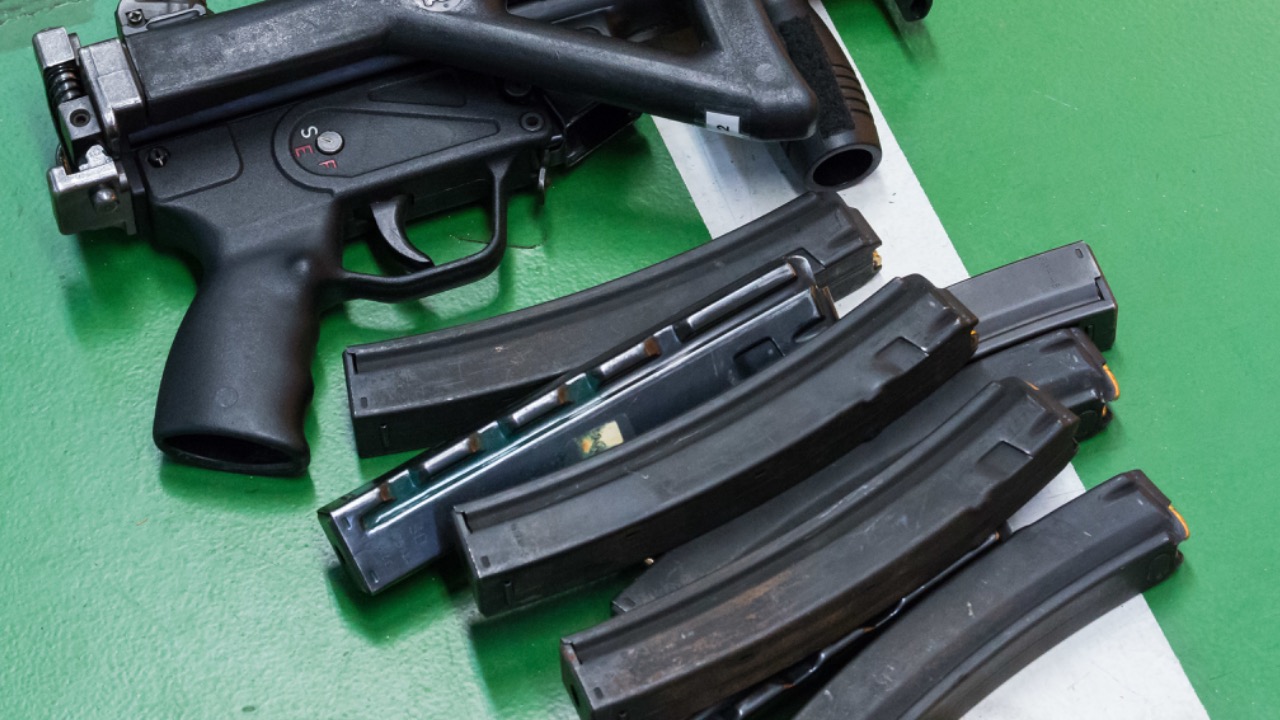
Serious preppers talk a lot about ammo, but the quiet workhorse in any emergency loadout is the magazine. They are the fragile link between a pile of cartridges and a working gun, and they are also heavy, bulky, and easy to lose. The real question is not how many you can hoard, but how many magazines are actually practical to keep ready for the kind of emergencies you are likely to face.
From concealed carry to a “grab the rifle and go” evacuation, the right number is a balance between realistic threats, training needs, and what your body and budget can support. I am going to walk through that balance, using what instructors, gear makers, and long‑time preppers have learned the hard way about living with magazines instead of just collecting them.
Why magazine count matters more than most people admit
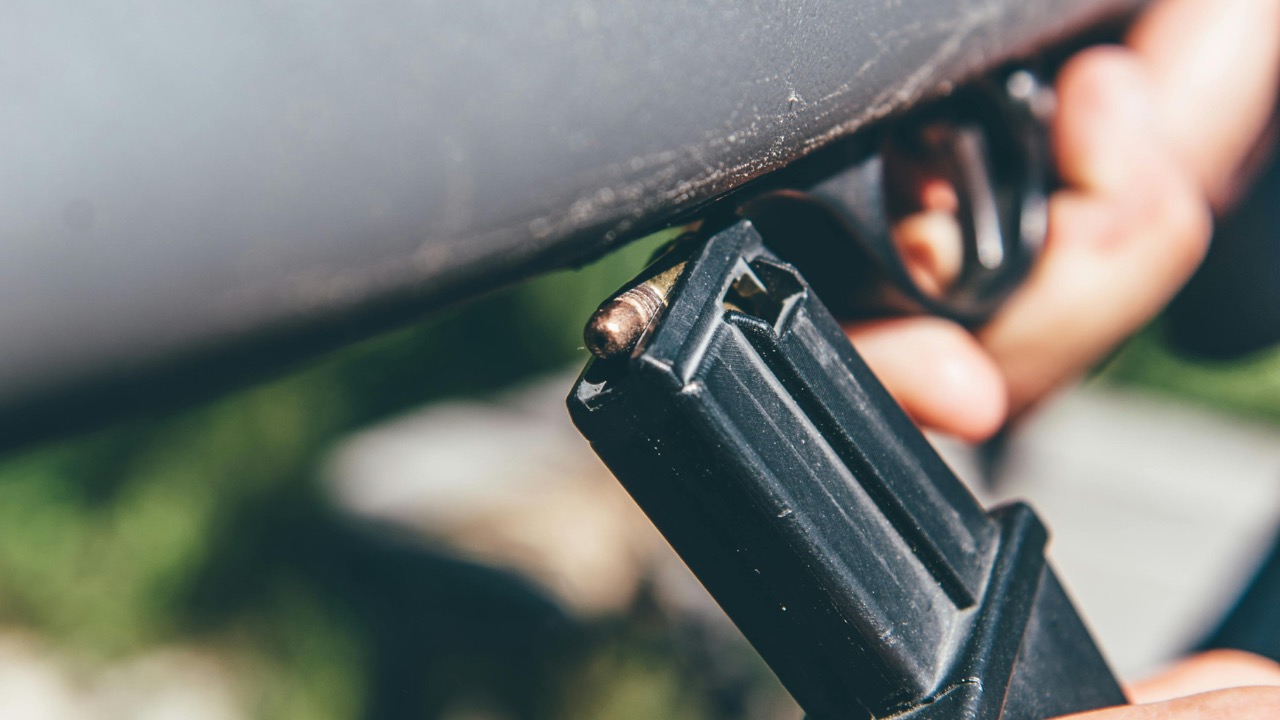
When people picture emergencies, they usually imagine running out of ammunition, not running out of working magazines. In reality, magazines are the most failure‑prone part of a semi‑auto firearm, and they are also the part you are most likely to drop in the dark, crush under a truck tire, or misplace in a chaotic move. That is why experienced shooters talk about a baseline of three standard‑capacity magazines per defensive handgun, enough to keep one in the gun and two on your belt without turning daily carry into a burden, a point that shows up clearly in Defensive Guns guidance.
Once you start planning for real disruptions, the logic shifts from “what if I need more rounds” to “what if this mag dies at the worst possible time.” That is the core of the argument from instructors who urge people to carry at least one spare pistol magazine, not because they expect a Hollywood‑length gunfight, but because a bad feed lip or weak spring can turn a single magazine into a single point of failure. One training piece spells it out bluntly: the real reason to carry an extra is to clear stoppages tied to a bad mag, and to stage that spare in belt or pocket locations that will not print under a cover garment, as laid out in Sep. In an emergency, redundancy is not a luxury, it is insurance.
Concealed carry: the realistic everyday minimum
For day‑to‑day concealed carry, I look at practicality first. Most compact pistols ship with two magazines, and that setup works for a lot of people who carry one in the gun and keep the second as a spare at home. Trainers who live in the concealed world tend to nudge that number up, arguing that whatever the reason you carry, you should own at least three standard‑capacity magazines for that pistol so you can keep one in the gun, one on your belt, and one resting or in rotation, a pattern echoed in Concealed carry advice.
There is still debate over whether the average civilian really needs to carry a backup magazine, and some instructors point out that most defensive shootings end in a handful of rounds. Others, especially those who have worked as CCW trainers or security, argue that preparing for worst‑case scenarios means carrying at least one spare, and they describe running a primary mag on the belt and another on a vest while on duty, as described in one Should You Carry discussion. For emergencies that start as ordinary days, I find three to five pistol mags per carry gun, with one or two actually on your person, is a practical sweet spot that keeps you armed without turning your waistband into a gear rack.
Training, wear, and why “four” keeps coming up
Once you start training seriously, the math changes. Every malfunction drill, every speed reload, and every class where you are dropping magazines on gravel eats into their lifespan. That is why some instructors call four magazines “optimal” for a hard‑use defensive pistol, with one mag dedicated to carry, one as a clean backup, and two that live their lives getting slammed into the gun and dumped on the range with FMJ training ammo, a setup spelled out in Four.
Writers who have been around the block with both competition and defensive shooting echo that logic, pointing out that magazines are consumables and that serious shooters should plan on replacing them over time. One veteran voice breaks it down by use case, suggesting that a new shooter might start with three magazines, then build up to five or more as they add structured practice and classes, a progression that shows up in How Many Magazines. For emergencies, that training load matters because the magazines you rely on when things go bad should be the ones you know have survived thousands of cycles, not the cheapest spare you left in the wrapper.
Rifles, “combat loads,” and what you can actually carry
Rifles are where a lot of preppers lose the plot and start chasing fantasy numbers. It is common to hear people talk about owning ten magazines for every semi‑auto rifle they own, and some experienced shooters do recommend a minimum of ten per rifle as a general rule, especially for popular platforms like the AR‑15, a benchmark laid out in one For Rifles guide. That number is about depth of supply at home, not what you will have on your chest when you step off the porch.
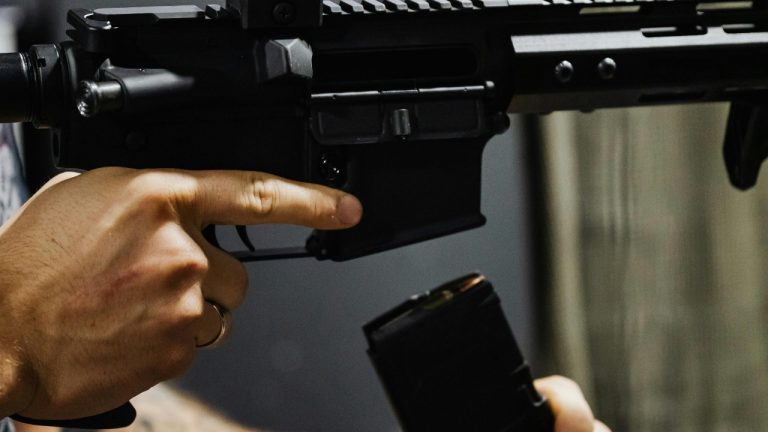
On your body, the pattern that keeps coming up is a “combat load” of three rifle magazines on your gear and one in the gun, which many shooters consider enough for most realistic situations before you are trying to break contact or get home. One tactical gear discussion put it plainly: three on the rack and one in the rifle should be enough for most situations, and if you are loading more than that you are probably planning for a fight that looks more like a deployment than a home‑defense emergency, a point made in Three. I have found that if you cannot comfortably move, climb stairs, and get in and out of a truck with your rifle loadout, you are carrying more magazines than you will realistically keep on you when it matters.
Prepper wisdom: mission, resupply, and what you can live with
Among preppers, the most useful voices are the ones who start with mission and resupply instead of raw numbers. One long‑running prepper thread framed it this way: figure out how many magazines you expect to carry around, then double that so you can quickly resupply from a bag or cache without unloading your belt, advice that came from a user named Achsin in a Comments Section exchange. That kind of thinking keeps your emergency loadout grounded in what you can actually move with, while still building in redundancy for lost or damaged mags.
Another prepper discussion from earlier years hammered home a hard truth: you will not be able to carry all your magazines if you ever have to move on foot, and in a real emergency you are likely to lose a lot of magazines to mud, snow, or simple exhaustion. One commenter boiled it down to “as many as you can comfortably carry,” which for them meant a specific mix of rifle and pistol mags that they had actually hiked with, a point made in a Jan thread. When I look at those experiences, the pattern is clear: a practical emergency plan starts with what you can move under your own power for hours, not what looks impressive on a gear table.
Real‑world loadouts from people who actually carry them
It is one thing to talk theory, another to see what people who carry guns for work or serious training actually strap on. In one Central Florida prepper group, Pete Robertucci See laid out his personal standard: he carries 6 for Handgun and 3 for Longgun, arguing that the long gun gives you more time to get to cover and that extra ammo for your sidearm is where he wants his weight, a setup he said made sense to him in a Handgun and Longgun discussion. That is a heavy but realistic load for someone who has tested it on the range and in classes.
On the other end of the spectrum, some tactical shooters keep it lean. One gear thread described a user who runs three rifle magazines on the carrier and one in the gun, then prioritizes medical gear like an IFAK over stacking more mags, arguing that if you are in a fight long enough to burn through that load you are in a situation where first aid matters more than a fifth reload, a view captured in the Jan tactical gear thread. I tend to side with the people who have actually rucked their kit; if a loadout has not been worn for a full day of movement, it is probably not the one you will keep when things get rough.
Storage, hoarding, and when “more” stops helping
Back at home, the temptation is to treat magazines like canned food and stack them to the ceiling. Some shooters do exactly that. One holster maker mentioned having extra storage for around 150 AR‑15 magazines, describing cases of original Gen 2 Magpul PMAGs set aside as a hedge against future bans or shortages, a stash described in a Gen and Magpul PMAG write‑up. That kind of stockpile might make sense for someone who trains heavily, runs classes, or expects political turbulence, but it is far beyond what most households will ever use.
Even among preppers, there is pushback against buying a magazine for every single round of ammo. In one long Facebook thread, a shooter explained that he has thousands of rounds and opted for 30 mags and a bunch of stripper clips instead, buying ammo 1,000 rounds at a time and occasionally adding another 10 magazines from Mag Shack, while another voice in the same thread argued that 7 magazines is plenty and that bandoliers and clips are a better way to stage bulk ammo, all in a discussion that also touched on keeping all mags loaded and whether that harms springs, as seen in Jun. From where I sit, a practical emergency stash looks like this: enough magazines to load a realistic combat load for each gun several times over, plus a cushion for breakage, not a one‑to‑one match with every cartridge you own.
Durability, loaded storage, and how long mags really last
One reason people hesitate to keep a reasonable number of magazines loaded for emergencies is the old fear that compressed springs will wear out. Modern testing and engineering say otherwise. For well‑made magazines, storing them fully loaded does not cause spring fatigue, because the steel is designed to sit compressed for extended periods without permanent set, a point spelled out clearly in guidance on spring fatigue. What kills springs faster is repeated loading and unloading, dirt, and corrosion, all of which you can manage with basic maintenance.
That reality should shape how many magazines you keep staged for emergencies. Instead of leaving everything empty in a bin, it makes sense to keep a core set of handgun magazines loaded for defensive use, with another set of rifle mags loaded to your preferred emergency standard, and the rest stored clean and dry. One gear piece on spare handgun magazines points out that if you shoot regularly, you will eventually wear out magazines from use or abuse, and that having a few extra on hand is a nice complement for recreational shooting and defensive prep, a point made in a Handgun Magazines overview. In other words, do not be afraid to keep a reasonable number loaded, but do not expect any magazine to last forever if you train with it hard.
Pulling it together: practical numbers for real emergencies
When I put all of this together, the practical answer looks a lot more modest than the internet’s biggest brag threads. For a primary carry pistol, three to four magazines is a realistic working minimum, with one in the gun, one on your belt, and one or two in rotation for training. For a primary rifle, owning around ten magazines gives you depth for classes and spares, but your actual emergency loadout is more likely to be three on your gear and one in the gun, a pattern that lines up with both More conservative rifle advice and the “three plus one” combat load that keeps showing up in tactical circles.
Voices across the gun world, from a Feb video where a shooter talks through what he thinks makes sense for an AR‑style rifle to long prepper threads and formal training pieces, keep circling the same themes: match your magazines to your mission, double what you can comfortably carry for resupply, and remember that you are more likely to lose or break mags than to run out of ammo in a single fight, a point that comes through in content like Feb. If you build your emergency plan around those realities, you end up with a kit that you can actually move with, train with, and trust, instead of a closet full of plastic and aluminum that will never leave the house.

Asher was raised in the woods and on the water, and it shows. He’s logged more hours behind a rifle and under a heavy pack than most men twice his age.