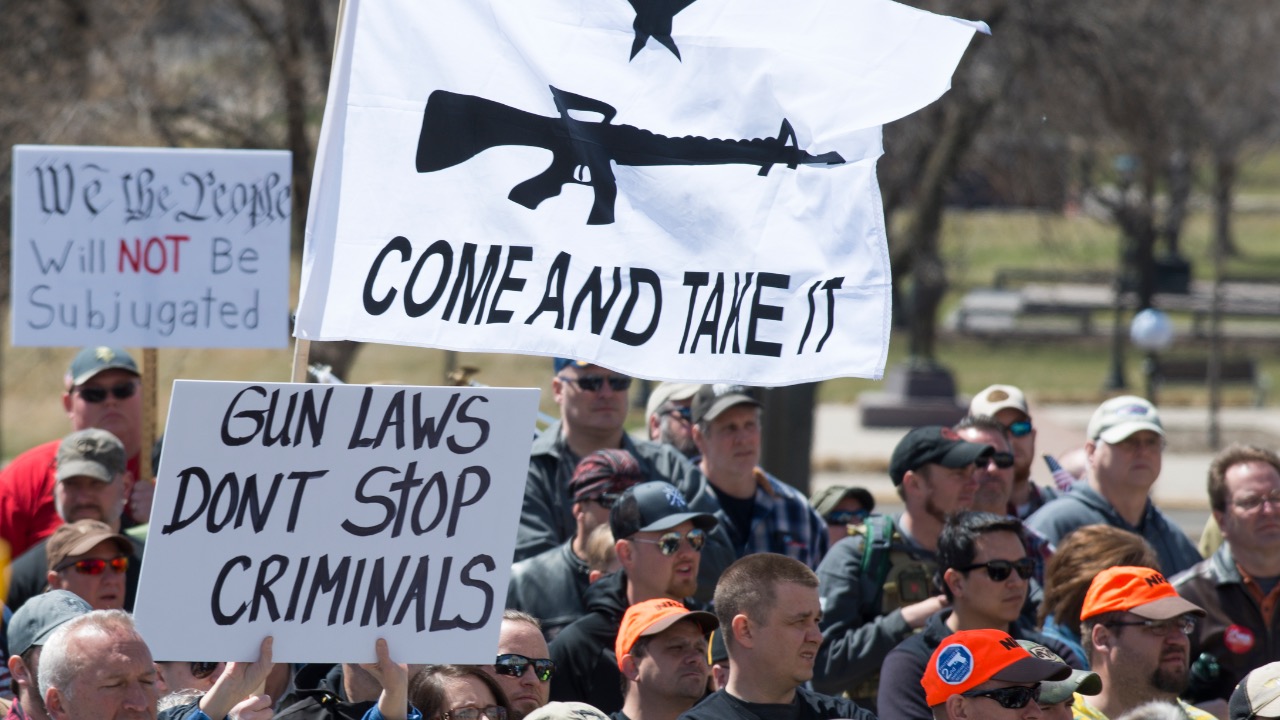
Opinion: After Years of Gun Control Measures, Assessing the Outcomes
You have watched the debate play out for decades. Mass shootings grab headlines, everyday gun violence claims far more lives in cities and towns, and policymakers respond with new restrictions on who can buy what and how. The United States maintains the highest rate of civilian gun ownership among developed nations, alongside firearm death rates that stand out sharply compared with peers. After layers of federal and state measures—from background checks to bans on certain weapons—outcomes remain complex. Homicides and suicides involving guns have fluctuated, sometimes declining overall from peaks in the early 1990s, yet recent years brought spikes during the pandemic before partial rebounds. Factors like poverty, drug markets, policing, and family structures intersect with policy in ways that complicate simple cause-and-effect stories.
The Scale of Firearm Deaths Remains High

You notice the numbers first. In 2022, more than 48,000 people died from firearm injuries, roughly split between suicides and homicides, with thousands more nonfatal shootings. Rates vary dramatically by state and demographic. Southern and some Midwestern areas often show higher per-capita figures tied to elevated ownership and certain socioeconomic pressures. Northeast states with tighter rules frequently post lower totals, though cities within strict-law states can still face stubborn problems. Overall U.S. gun homicide rates sit far above those in other high-income countries—around 26 times higher in some comparisons—while total violent crime has dropped substantially since the 1990s peak before recent volatility.
Enforcement gaps matter. Many guns used in crimes trace back to states with weaker rules or illegal trafficking routes, showing how porous borders between jurisdictions undermine local efforts. You see that policy alone rarely addresses root drivers like illegal markets or concentrated urban poverty.
Background Checks: Incremental Effects With Limits
When you examine universal background check expansions, studies point to modest associations with lower homicide rates in some analyses, around 10 percent in certain state-level reviews after controlling for other variables. Permit-to-purchase systems, which add extra steps, show similar patterns in places that implemented them. Yet results vary by study design, and private sales or straw purchases often bypass the system.
Implementation quality counts. Incomplete records for mental health or domestic violence flags weaken outcomes. You realize these tools screen out some prohibited buyers but struggle against determined traffickers or those already outside legal channels. Broader adoption correlates with fewer suicides in some data, particularly among youth, but homicide impacts prove harder to isolate from broader crime trends.
Assault Weapons Bans and Capacity Limits
You recall the 1994 federal ban and its 2004 expiration. During the active period, mass shooting deaths with those weapons declined in several tallies, though overall gun murders followed larger national drops driven by many causes. Post-expiration, some researchers noted rebounds in high-victim incidents, yet everyday handgun homicides—far more common—continued their own trajectory unaffected.
State-level versions yield mixed pictures. California and others maintain restrictions, yet large-capacity magazines circulate through secondary markets. The policies target features of certain rifles, but data indicate handguns drive most urban violence. You see limited broad impact on total firearm death counts when other variables hold steady.
Concealed Carry Changes and Violent Crime
Shall-issue or permitless carry laws expanded in many states. RAND reviews and several econometric studies find supportive evidence that these shifts link to increases in total homicides and firearm homicides, often in the low single-digit to low double-digit percent range depending on the model. Other analyses remain inconclusive or point to no clear crime reduction.
Defenders highlight self-defense scenarios and deterrence. You weigh that against data showing more guns in public spaces during conflicts can escalate outcomes. Urban density and existing illegal carrying complicate the picture further. Enforcement of prohibitions on felons or domestic abusers remains key regardless of carry rules.
State-by-State Patterns Tell a Nuanced Story
You compare strict-law states like California or New Jersey against looser ones like Mississippi or Missouri. Lower gun death rates often appear in the former group, yet exceptions abound—Illinois and Maryland post higher homicide figures despite strong statutes, partly due to Chicago and Baltimore dynamics plus cross-border flows.
Relaxed-law states in the South and Mountain West frequently show elevated rates, but rural suicide components weigh heavily there. Demographics, policing levels, and economic conditions explain much of the variation. No clean national experiment exists, so you treat correlations cautiously while noting persistent gaps between strong-law and weak-law clusters.
International Lessons and Domestic Realities
Countries like Australia saw accelerated drops in firearm suicides and homicides after 1996 buybacks and bans, though baseline rates were already lower. The U.K. and Japan maintain tight controls with minimal gun violence. You recognize America’s entrenched ownership culture—over 120 guns per 100 residents—makes direct transplants difficult.
Cultural attachment to firearms for sport, self-defense, and tradition runs deep. European or Oceanic models assume different starting points on trust in institutions and illegal importation risks. Domestic policy works within those constraints rather than wishing them away.
Suicides Drive Much of the Total Toll
Over half of U.S. gun deaths are suicides. Access to firearms during crisis moments correlates strongly with completion rates because of lethality. Child-access prevention laws and waiting periods show evidence of reductions here in multiple reviews.
You see mental health support and safe storage as complementary tools. Restrictions alone do not erase underlying despair or substance issues, but they can buy critical time. Rural areas with high ownership face particular challenges in this category.
Urban Enforcement and the Limits of Legislation
Chicago illustrates the point sharply. Strict city and state rules coexist with high violence fed by illegal guns from elsewhere and gang activity. You understand that without consistent prosecution of straw buyers, traffickers, and illegal possessors, paper restrictions lose force.
Policing strategies, community interventions, and economic investments appear alongside gun rules in successful turnarounds elsewhere. Policy layers accumulate, yet results hinge on execution and addressing demand for illegal firearms.
What Comes Next in Assessment
Years of measures produced targeted effects in certain domains—some lives saved through screening and storage rules—but broad transformation has proven elusive amid high baseline ownership and divided governance. You weigh evidence showing correlations between stronger rule sets and lower death rates against studies emphasizing other social drivers. Continued honest tracking of data, rather than slogans, offers the clearest path forward as new proposals emerge. Outcomes depend on pairing access rules with enforcement, opportunity, and treatment where they matter most.

Asher was raised in the woods and on the water, and it shows. He’s logged more hours behind a rifle and under a heavy pack than most men twice his age.