Families of Troops Killed in the Iran War Speak Out as One Comment Sparks Backlash
The first American families to lose loved ones in the Iran war are stepping out of private grief and into public view, determined to challenge how their sons and daughters are being talked about in Washington. Their stories of interrupted text threads, unreturned Sunday calls and young children who still expect a parent to walk through the door now collide with a political firestorm over one comment that many saw as dismissive of the dead.
As the number of U.S. fatalities in the conflict climbs, relatives of the fallen say they feel caught between solemn ceremonies on the tarmac and a noisy fight over blame, respect and responsibility. They are insisting that the country look directly at what was lost, even as a single remark from the commander in chief has turned their mourning into a national argument.
The first deaths in a fast‑escalating war
The war with Iran has already claimed the lives of U.S. service members in multiple locations, from the front lines of the Middle East to support hubs that many troops once considered relatively secure. Early in the campaign, a drone attack linked to Iran struck U.S. forces in Kuwait, killing Army reservists who had been juggling civilian careers, college classes and parenting with their military service.
Officials later confirmed that four of the first Americans killed in the conflict included Capt. Cody A. Khork, a U.S. Army Reserve officer. The Pentagon listed him as Capt Cody A. Khork, 35, of Winter Haven, Florida, and relatives described Capt Cody Khork as a devoted son and husband from Winter Haven who had volunteered for the deployment. The Pentagon announcement that identified Capt Cody Khork, 35, of Winter Haven, Florida, also named three other soldiers in that initial group of four, highlighting how quickly the war had moved from abstract geopolitics to specific hometown losses.
Within days, the toll grew. A later statement from the Pentagon reported a seventh U.S. fatality, bringing the official American death count in the war with Iran to seven. Coverage of that announcement noted that the conflict had already spread across the wider Middle East, with U.S. troops targeted in multiple countries as part of a broader confrontation. Each new casualty notice has deepened the sense among military families that the war is entering a more dangerous phase than many had expected when the first strikes were ordered.
Families describe the moment everything went silent
For the relatives, the war became real not through televised briefings but through absence. In one widely shared account, Cody’s family recalled how he had been responding to their messages as usual until Sunday, then suddenly stopped. In an interview, a family member said that when he did not reply to their texts on Sunday, “most of us started to wonder and your gut starts to get a feeling that Cody’s” silence meant something was terribly wrong.
Other families have told similar stories of abrupt disconnection. One grieving husband of a U.S. Army Reserve soldier killed in the conflict recounted how the couple had been exchanging simple, everyday texts about their children and weekend plans shortly before the attack. According to her grieving husband, those messages ended midstream when the drone hit, leaving him staring at an unfinished chat window that now feels like a final conversation.
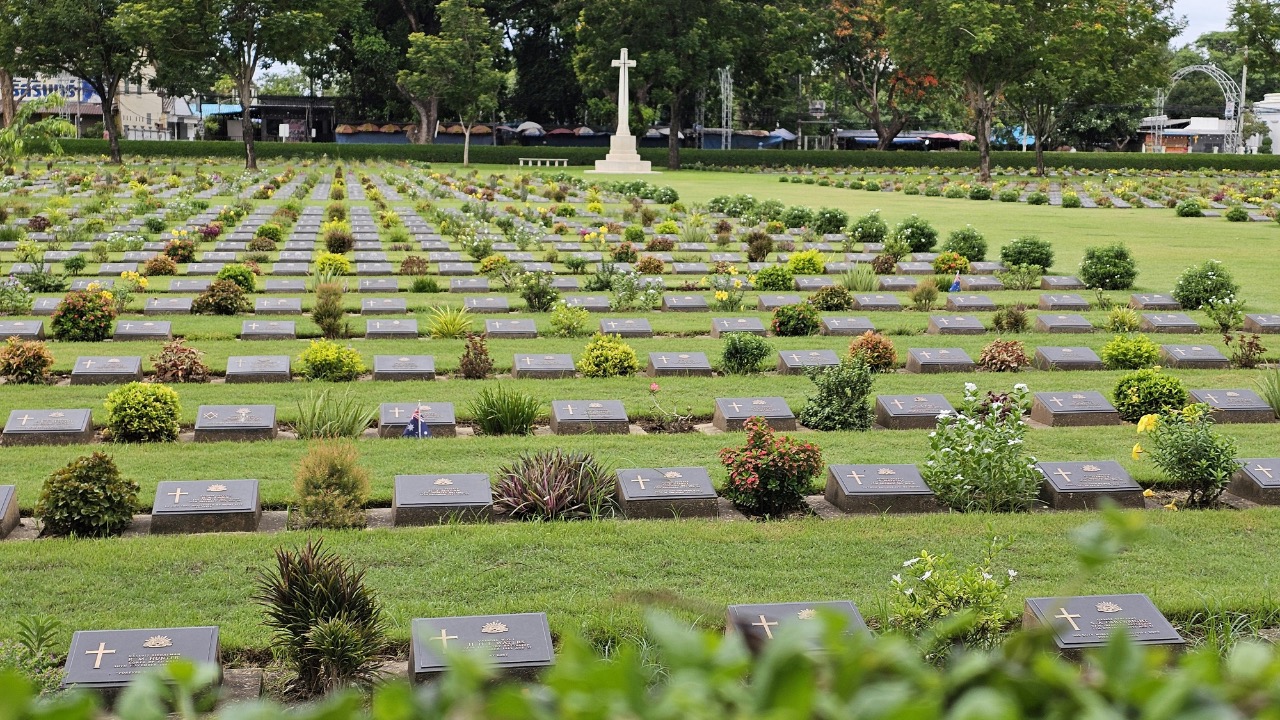
Relatives of the dead have emphasized that their loved ones were more than rank and serial number. Coverage of memorials has portrayed them as loving parents, dedicated students and community volunteers who had woven their military service into already busy lives. One report from the West Coast described how friends and family gathered in WEST communities to remember the soldiers killed in the Iran war for their service and devotion to their families, not only for the uniforms they wore.
A solemn transfer on the tarmac
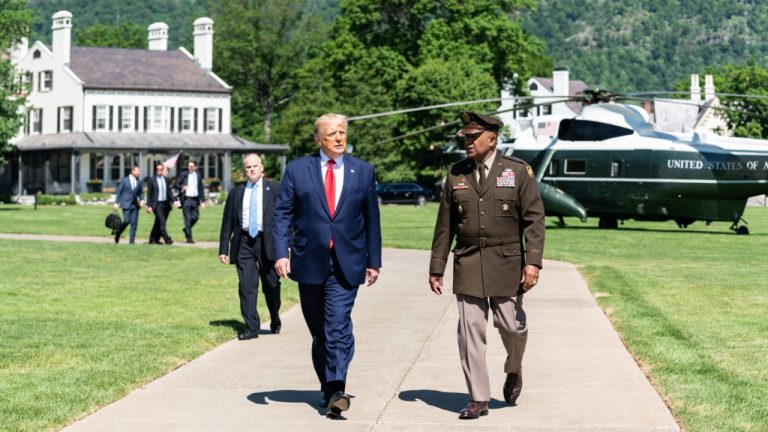
The most visible moment of national mourning so far came when President Donald Trump and First Lady Melania Trump traveled to receive the remains of six U.S. Army soldiers killed in an Iranian drone strike. At the air base, the president and first lady joined families on the tarmac for what the military calls a dignified transfer, as flag‑draped cases were carried one by one from the aircraft.
Video from that ceremony showed President Trump standing with the families as the caskets of the six U.S. Army soldiers, killed in an attack linked to Iran, were moved into waiting vehicles. In one report, a combination image showed undated photos of Army Reserve Captain Cody A. Khork, 35, of Winter Haven, Florida, alongside portraits of the other five soldiers killed in the same strike. The dignified transfer was intended as a moment of unity and respect, a visible acknowledgment from the commander in chief that the war’s costs are already heavy.
The ceremony followed an earlier video statement released by the White House on Sunday, in which the president praised the troops who “made the ultimate sacrifice for” their country and warned that there would likely be more before the conflict ends. In that address, he tried to balance tribute with a grim forecast, telling Americans that the war with Iran was unlikely to be short or bloodless.
The comment that ignited a backlash
Even as the images from the tarmac were still circulating, another set of presidential remarks about the fallen sparked outrage. In an exchange that quickly went viral, President Donald Trump responded to questions about the deaths of American service members amid the joint U.S. Israel military operations by suggesting that casualties were inevitable and that “there will likely be more” before the fighting is over. Critics seized on his tone, arguing that the way he spoke about the dead sounded detached and transactional.
One columnist labeled Trump a “draft dodger” and accused him of a shocking response to the deaths of U.S. troops, pointing to his history of avoiding military service and contrasting it with the sacrifices of the soldiers now dying in the Iran war. Another commentary described how Trump was lambasted for callous comments on fallen U.S. heroes, with observers arguing that his language minimized the loss felt by families.
The backlash was not limited to political opponents. On social media, self‑described supporters of the “MAGA” movement also voiced anger. One viral post addressed to Trump’s allies read, “Three service members died and you act like it was a check. You are just disgusting. None of you give a damn about our military” before the writer added that they had voted against Laura Loomer twice. The phrase “Three service members died and you act like it was a check. You are just disgusting. None of you give a damn about our military” captured the fury of those who felt that the deaths were being treated as a public relations problem rather than a national tragedy.
Families push back after being framed as a ‘problem’
Into that charged atmosphere stepped the families themselves. Several relatives of soldiers killed in what one outlet described as Donald Trump’s war against Iran went public with their stories after hearing a senior defense official, often referred to in coverage as Pentagon Pete, describe them as a public relations challenge. In their view, the suggestion that grieving families were complicating the administration’s message crossed a line.
One widely shared article described how the families of U.S. service members killed in Donald Trump’s war against Iran refused to “go away and shut up” after a comment attributed to Defense Secretary Pete Hegseth. In that account, relatives said they felt they were being told to stay quiet so as not to interfere with the administration’s narrative about the war. They responded by giving interviews, organizing on social media and speaking at local vigils, insisting that their loved ones’ stories be heard in full.
Another piece, headlined around Slain Soldiers’ Families Speak Out After Pentagon Pete Frames Them as PR Problem, detailed how Will Neal reported on relatives who bristled at being cast as obstacles. One widow, described as a mother of two, said she would not let anyone reduce her husband’s death to a talking point. The framing of families as a “Problem” rather than as central stakeholders in wartime decisions intensified the sense that the human cost of the conflict was being sidelined.
Pete Hegseth and the fight over media coverage
The controversy around the families intersected with a broader argument about how the war is covered. Pete Hegseth, a prominent conservative figure who has been associated with defense issues, criticized news outlets for giving front‑page treatment to the U.S. deaths in the Iran war. In remarks reported by one outlet, Hegseth argued that focusing on the fatalities risked undermining public support for the mission and suggested that the media was giving the story too much prominence.
In that same report, Hegseth complained that coverage of the Iran war was crowding out other defense stories and accused journalists of politicizing the casualties. His comments landed poorly with many military families, who saw the visibility of their loved ones’ deaths as a small measure of recognition. The idea that the fallen should be pushed off the front page to clear space for other narratives struck them as another attempt to manage optics at their expense.
Hegseth’s role in the debate drew additional scrutiny because of his own public profile. A simple search for Pete Hegsethshows a long history of commentary on military issues, which his critics say gives him a special responsibility to treat grieving families with care. Instead, they argue, his remarks about media coverage and public relations added to the sense that the war’s human toll was being weighed against political convenience.
From tarmac to Truth Social and cable studios
President Trump has tried to show public solidarity with grieving families in other settings as well. In addition to the dignified transfer, he released a video on Truth Social that addressed the deaths of U.S. service members in what the administration has called Operation Epic Fury. That message, carried by NBC Universal, Inc, portrayed Trump as a leader who understood the stakes and was personally invested in the fate of the troops.
Coverage of his appearance with the families at the air base, including a video segment that showed him overseeing the return of U.S. troops killed in an Iranian drone strike, emphasized the solemnity of the moment. In that footage, Trump and Melania Trump stood with military leaders and families as the caskets were carried from the aircraft, a tableau meant to convey empathy and resolve. The clip of Trump overseeing the return of U.S. troops killed in an Iranian drone strike has been replayed repeatedly on cable news.

Leo’s been tracking game and tuning gear since he could stand upright. He’s sharp, driven, and knows how to keep things running when conditions turn.