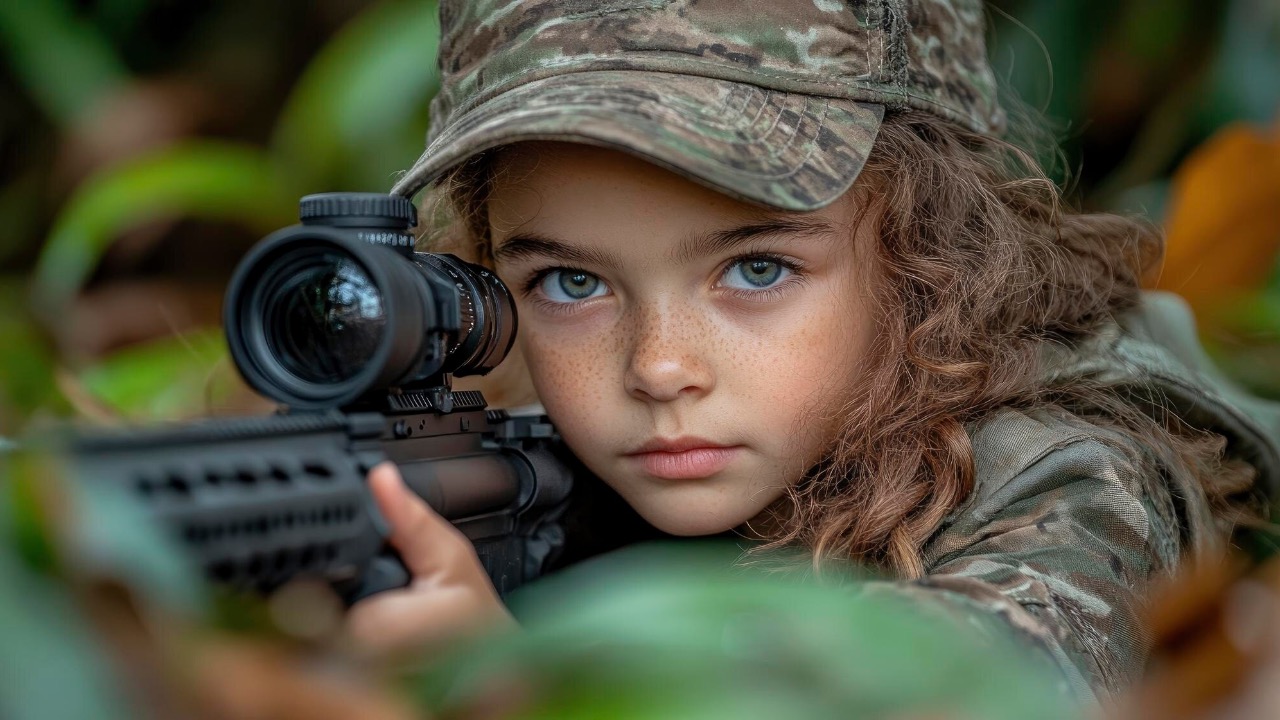
Best Practices for Introducing Youth to Safe Deer Hunting
There’s a right way to bring a young hunter into the deer woods, and it doesn’t start with pulling a trigger. It starts long before opening morning—with habits, expectations, and a steady hand guiding them through it all. Kids learn fast, but they remember even faster when something feels rushed or out of place. Your job is to set the tone, keep things grounded, and make sure every step builds confidence instead of pressure.
If you do it right, they won’t just learn how to hunt—they’ll learn why it matters. And that sticks.
Start With Safety Before Anything Else
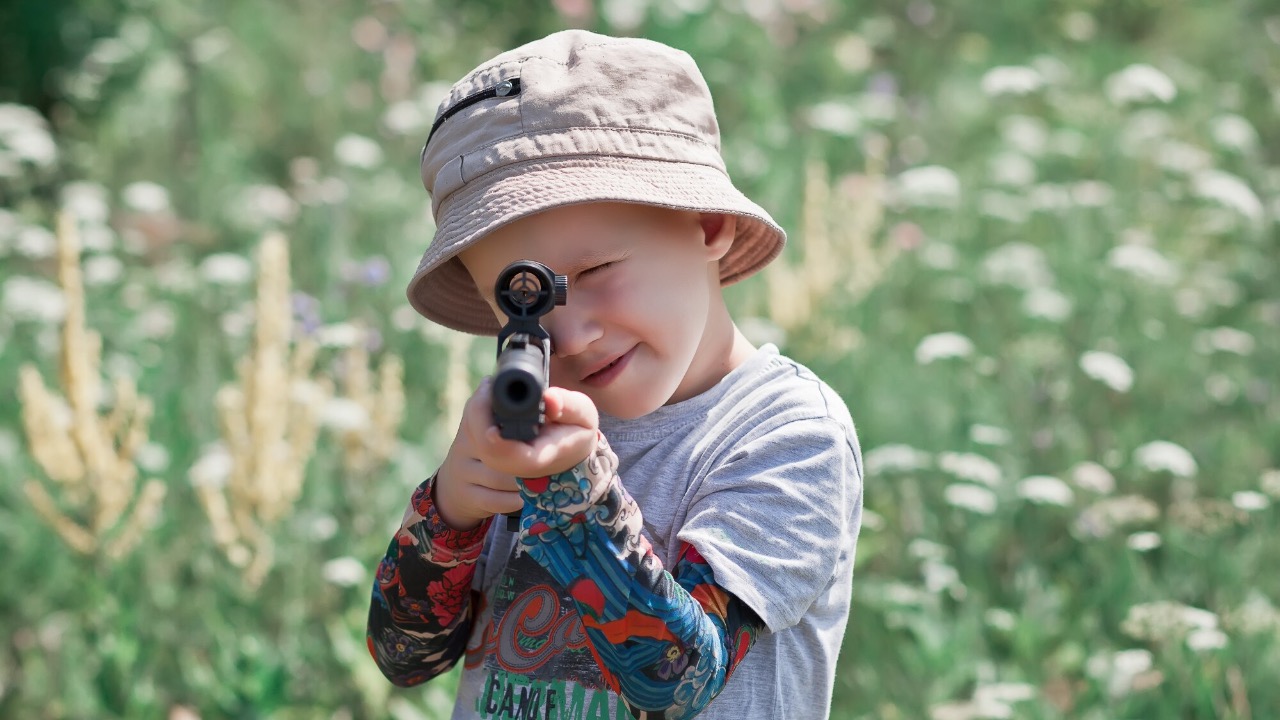
Before you ever talk about deer, talk about control. A young hunter needs to understand what a safe direction is, how to handle a firearm, and why it matters every second they’re holding it. Keep it consistent. The same rules, every time, no shortcuts.
Spend time with unloaded firearms and controlled situations. Walk through real scenarios—climbing into a stand, crossing a fence, getting in and out of a blind. Make them show you they understand, not just tell you. Repetition builds habit, and habit is what keeps people safe when things get exciting.
Make the First Hunts Low Pressure
A kid’s first season shouldn’t feel like a deadline. You’re not trying to fill a tag—you’re trying to build a foundation. Keep expectations realistic and focus on the experience instead of the outcome.
Short sits help. Cold mornings and long hours test patience, and most young hunters don’t have much of it yet. Let them ease into it. If they want to leave early, leave early. If they’re curious about tracks or birds, follow that interest. The more relaxed they feel, the more they’ll want to come back.
Teach Shot Placement With Purpose
Don’t rush into live shots without making sure they understand where and why to aim. This isn’t about hitting paper—it’s about making an ethical kill. Show them diagrams, explain vital zones, and walk through angles they’re likely to see in the field.
Range time should reinforce this. Use realistic targets and talk through each shot before they take it. Ask them where they’d aim and why. When the moment comes in the woods, you want them thinking clearly, not guessing.
Choose the Right Equipment for Them
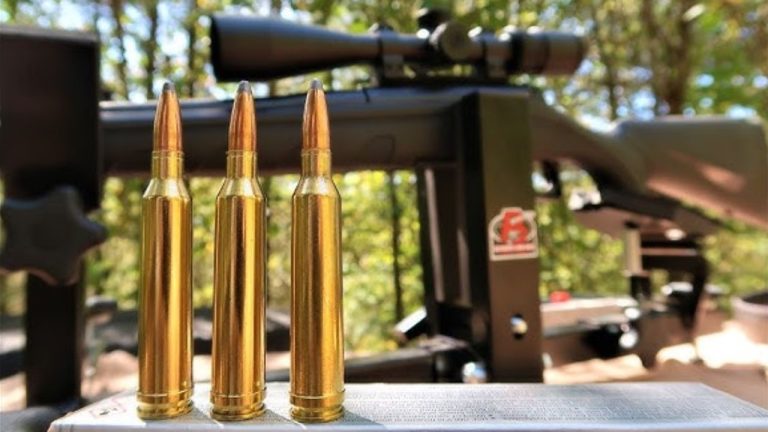
Oversized rifles and heavy recoil ruin confidence fast. A young hunter needs a setup they can handle comfortably, both physically and mentally. Fit matters more than power at this stage.
Start with a manageable caliber and a properly fitted stock. Let them practice enough that the gun feels familiar, not intimidating. If they’re flinching or hesitant, something needs to change. Confidence comes from control, and control comes from the right tools.
Focus on Woodsmanship, Not Just Harvest
There’s more to deer hunting than the shot. Teach them how to read sign, understand wind, and move quietly through the woods. These are the skills that turn a beginner into a hunter.
Let them take the lead sometimes. Ask what they’re seeing, what they think it means, and where they’d set up. Even if they’re wrong, the process matters. You’re building awareness, not perfection. Over time, they’ll start putting the pieces together on their own.
Model Patience and Attitude
Kids mirror what they see. If you get frustrated, they will too. If you stay steady and focused, they’ll pick up on that. Hunting has slow days, missed chances, and things that don’t go your way. That’s part of it.
Handle those moments well. Talk through what happened without turning it into a lecture. Keep your tone even and your expectations fair. The goal is to show them how to handle the ups and downs, not shield them from it.
Walk Them Through the Aftermath
The hunt doesn’t end with the shot. Tracking, recovery, and field dressing are all part of the experience. Take your time and explain each step as you go.
Be honest about what it means to take an animal. There’s respect in doing it right. Let them help where they’re comfortable, whether that’s following blood or holding a flashlight. These moments leave an impression, and they shape how a young hunter views the responsibility that comes with it.
Keep It Fun Without Losing Structure
There’s a balance between discipline and enjoyment. You want them learning, but you also want them engaged. Bring snacks, tell stories, and make the time in the field feel like something they look forward to.
At the same time, don’t let things get careless. Safety rules still apply, and expectations stay in place. The trick is keeping the environment relaxed without letting standards slip. When you get that balance right, they’ll keep coming back—and they’ll keep improving without even realizing it.

Asher was raised in the woods and on the water, and it shows. He’s logged more hours behind a rifle and under a heavy pack than most men twice his age.