The calibers hunters argue about most — and why
Hunters love to argue about rifle cartridges, and a handful of calibers soak up most of the oxygen in camp. The same rounds that fill deer poles and elk coolers also fill internet threads and office debates, with strong opinions on what is “enough” and what is “too much.”
When you strip away the noise, the calibers we fight over say more about hunters than about brass and bullets. The numbers on the headstamp matter, but so do recoil tolerance, ego, regional tradition, and how honestly a person judges their own skills. The calibers below are the ones I hear argued about most, and the reasons why they keep starting fights.
Why caliber arguments get so heated in the first place
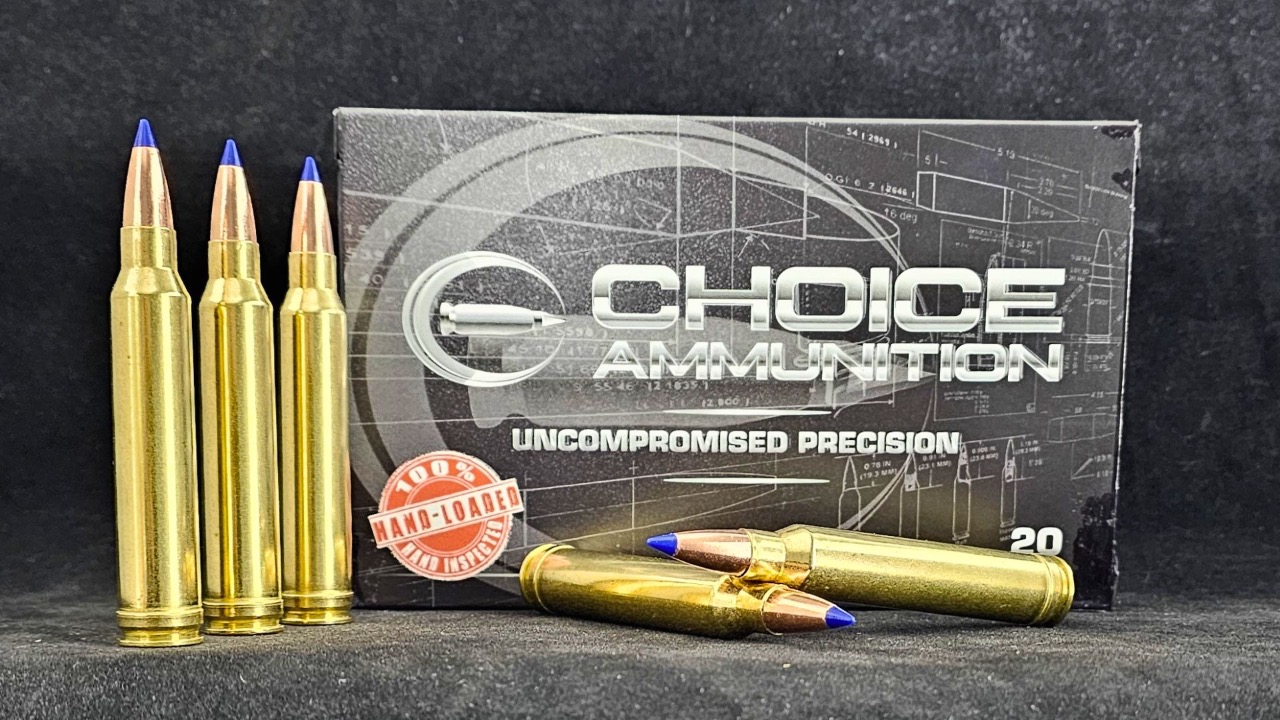
The loudest caliber debates usually have less to do with ballistics and more to do with identity. Hunters will swear that their favorite round is the only ethical choice for deer or elk, then turn around and admit they have missed or wounded animals with it. One short clip aimed at new shooters points out that Hunters love to argue about rifle calibers, but most misses have nothing to do with whether someone is shooting a .300 Win Mag or a 6. If a shooter cannot manage recoil, read wind, or break a clean trigger, the cartridge will not fix those problems.
There is also a mirror factor at work. One blunt social post notes that Most caliber arguments do not start in the woods, they start when a hunter looks at their own reflection and tries to justify why they picked a certain round. They say they chose it for “reasons,” but often they bought into marketing, peer pressure, or the urge to carry something bigger than they really need. When ego is tied to the cartridge, any criticism of that round feels personal, which is why these debates rarely stay calm for long.
.30-06 vs .308: the classic American family feud
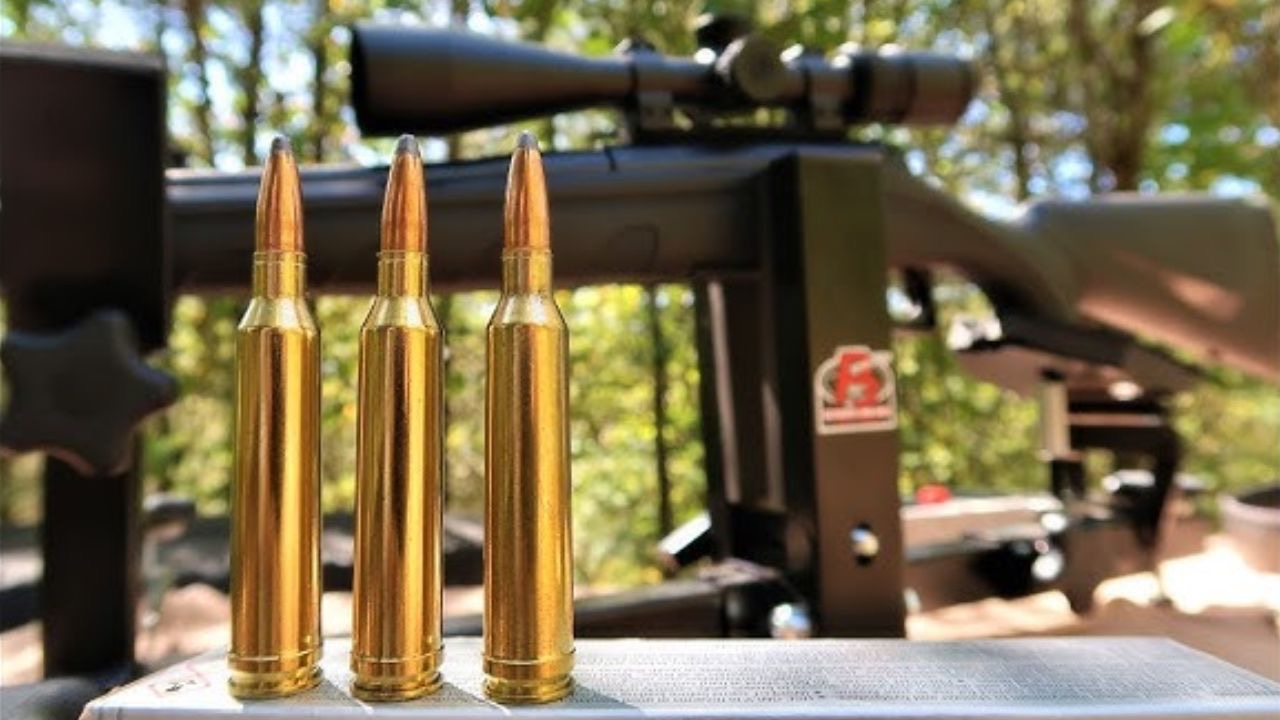
The longest running argument in North American deer camps might be the fight between .30-06 Springfield and .308 Winchester. Both have filled freezers for generations, and both will keep doing it long after the current crop of trendy short magnums fades. One detailed breakdown notes that Hunters still debate whether they should stick with a traditional .30-06 or lean toward something like the .308 Winchester, and both sides back their choice with stories from years spent afield. The .30-06 crowd leans on slightly higher case capacity and heavier bullet options, while the .308 camp points to shorter actions and mild recoil.
Across the Atlantic, that same .308 looks even bigger. One European hunter asked Why Americans talk like they need magnums for everything, when a 308 is definitely enough to kill ANYTHING in the forests they hunt. That perspective highlights how much terrain and culture shape the argument. In thick timber and moderate ranges, the practical difference between the two cartridges is slim. The real divide is usually nostalgia, rifle availability, and whether a hunter grew up hearing that the .30-06 was America’s all around answer or that the .308 was the modern, efficient way to go.
.270 Win and the old guard versus the 6.5 crowd
Few cartridges stir up more generational tension than the .270 Win and the newer 6.5 Creedmoor. For decades, the .270 Win has been the darling of Western deer and pronghorn hunters, and one analysis points out that 270 Win and the 7mm-08 sit in a performance cluster where none has a clear in the field advantage. That same piece notes that the author hunts deer every year with a 6.5 Creedmoor and has never failed to recover an animal, Given the similar energy and trajectory numbers. On paper, the gap between these mid bores is narrower than the arguments suggest.
The cultural gap is wider. The 6.5 Creedmoor has been mocked as the “man bun cartridge,” and one rundown of controversial deer rounds notes that All deer hunters are passionate about their cartridges, and Some will not hunt deer with the 6.5 Creedmoor because of its image, not its performance. At the same time, another look at classic deer rounds reminds readers that the .270 has been around a long time, Made famous by Jack O’Connor, and that Jack Connor helped cement it as a Big game standard. When someone defends the .270 or the 6.5, they are usually defending the era and style of hunting they believe in.
6.5 Creedmoor: workhorse or overhyped “man bun”
No modern cartridge has soaked up more jokes and praise than the 6.5 Creedmoor. On one hand, it is a mild recoiling, accurate round that has proven itself on deer sized game. A seasoned writer who calls the 6.5 Creedmoor his regular deer rifle notes that he has never failed to recover an animal with it, and that its real world performance lines up with its Creedmoor ballistics. That kind of track record is hard to argue with if a hunter keeps shots within reasonable distances and uses bullets built for expansion.
On the other hand, the Creedmoor has been dragged into culture war territory. A list of controversial deer cartridges points out that Some hunters refuse to use the so called man bun round, even though the same piece acknowledges that Creedmoor can work when matched with the right bullets and ranges. The divide usually comes down to expectations. If someone buys a 6.5 and expects magnum level performance on elk at 600 yards, they will be disappointed. If they treat it like a modern .260 class deer round and keep their ego in check, it does exactly what it was built to do.
Magnums and the reach debate: 7mm Rem Mag, 300 Win Mag and the PRCs
Once the talk turns to elk, moose, or long cross canyon shots, the argument shifts to magnums. The 7mm Remington Magnum has long been pitched as a best all around answer, and one technical breakdown flatly names the 7mm remington magnum as the best all around hunting rifle caliber and explains why its bullet weight range and trajectory make it so versatile. In the same conversation, the 300 Win. Mag. keeps coming up as a benchmark. A ranking of big game rounds notes that the 300 Win Mag is arguably the best worldwide big game cartridge there is, and that for a hunter who wants one rifle for elk, moose, and big bears, it is hard to beat.
Newer magnums have added fuel to the fire. One writer describes how Browning’s Director of Marketing and Communications, Rafe Nielsen, sent him a Browning X Bolt Mountain Pro Tungsten in a PRC chambering and got the wheels in his brain turning about which of the new short magnums really makes sense. The modern PRCs promise efficient case design and high ballistic coefficient bullets, but they also bring more recoil and muzzle blast. When someone insists that a 300 Win Mag or a PRC is the only ethical choice, they are often ignoring the simple fact that flinching ruins more shots than a slightly slower cartridge ever will.
Office debates, campfire stories, and the calibers that quietly work
Not every caliber argument starts in a tent or a truck bed. One hunting company admitted that there is always an ongoing debate at the office about which rifle caliber is best, and that the author has killed big game with .243/6mm, 257, and .27 class rounds without feeling much allegiance to any of them. In that post, the writer notes that he has used 243 and 257 on big game and still finds it strange how heated the talk gets. The takeaway is that plenty of mid sized cartridges work fine when the shooter knows their limits and picks bullets that match the job.
Some of the most effective rounds never trend online because they are boringly reliable. A long view of deer hunting history points out that it is widely believed that the .30-06 is America’s and the world’s most popular hunting caliber, and that it has likely taken more deer than any other cartridge. That kind of track record does not generate flashy headlines, but it does explain why so many older hunters shrug at the latest caliber war and keep carrying the same rifle they have trusted for decades.
When “wrong caliber” really does cost animals
For all the talk about ego and overkill, there are times when caliber choice genuinely hurts game. A recent rundown of disappointing rounds notes that the wrong caliber not only misses the mark, it risks the hunt and the animal, and that this harsh fact is echoed in many camps where underpowered or poorly matched cartridges have failed. That same piece warns that some cartridges that look good on paper consistently let big game hunters down, and that this pattern supports the idea that certain rounds are Modern Engineering Marvels in marketing more than in the field.
Bullet design is a big part of that story. A technical overview of common hunting rounds notes that Purpose built ammo like the Hornady V Max and ELDX are crowd favorites because of their explosive expansion and long range capabilities, and that these bullets are tuned for specific impact velocities. When a hunter pairs a fragile varmint bullet with a marginal caliber on deer, or pushes a heavy controlled expansion bullet too slowly, they set themselves up for poor terminal performance. The same source points out that Hornady Max and ELDX loads can shine when matched correctly, which reinforces the idea that “wrong caliber” often really means “wrong bullet and wrong expectations.”
Handgun and small bores: the quiet caliber culture wars
Rifle rounds get most of the attention, but the same tribalism shows up with handgun and small bore cartridges. A detailed look at .32 caliber revolver rounds notes that Any discussion on cartridges, bullets, and terminal effectiveness usually devolves into debates, with shooters firmly dug in on their favorite bore size. That piece goes on to argue that velocity and diameter are the most important factors in handgun performance, and that the underappreciated .32 magnums can punch above their reputation when loaded correctly. The author uses the phrase Any discussion for a reason, because even obscure calibers spark strong feelings.
On the rifle side, some of the most heated talk centers on whether smaller rounds like the .243 are “enough” for deer. One office debate piece mentions using .243/6mm and 257 successfully on big game, and still hearing people insist that anything under .270 is irresponsible. At the same time, a European hunter points out that a 308 is enough to kill ANYTHING in their forests, which undercuts the idea that North American whitetails demand magnum power. When I listen to these arguments, I hear the same pattern: people project their own comfort level and experience onto everyone else, instead of admitting that shot placement and bullet choice matter more than a few hundred foot pounds on a chart.
How to pick a caliber without joining a fan club
If a hunter wants to stay out of the caliber wars, the smartest move is to focus on fit, recoil, and realistic ranges. One practical guide frames the decision around real world use and notes that Expert Recommendations usually come from people who have watched a lot of animals fall to a handful of proven rounds. That same guide says Expert Recommendations tend to cluster around cartridges that offer powerful and consistent performance without punishing recoil, which is why mid sized .270 and .30 class rounds keep showing up on those lists.

Asher was raised in the woods and on the water, and it shows. He’s logged more hours behind a rifle and under a heavy pack than most men twice his age.