Tennessee Man Faces Legal Battle After Confronting Wildlife Officials’ Hidden Camera
A man in Tennessee is facing a legal dispute after he reportedly discovered and removed a hidden trail camera placed by wildlife officials on or near his property. The situation has raised questions about where agencies can place surveillance equipment and how far their authority extends when it comes to monitoring wildlife activity.
According to reports, the man claimed he had no idea the camera had been set up and believed it was placed without proper notice or permission. After confronting the situation himself, the issue quickly shifted from a simple misunderstanding into a legal matter involving property rights and government oversight.
What led to the confrontation
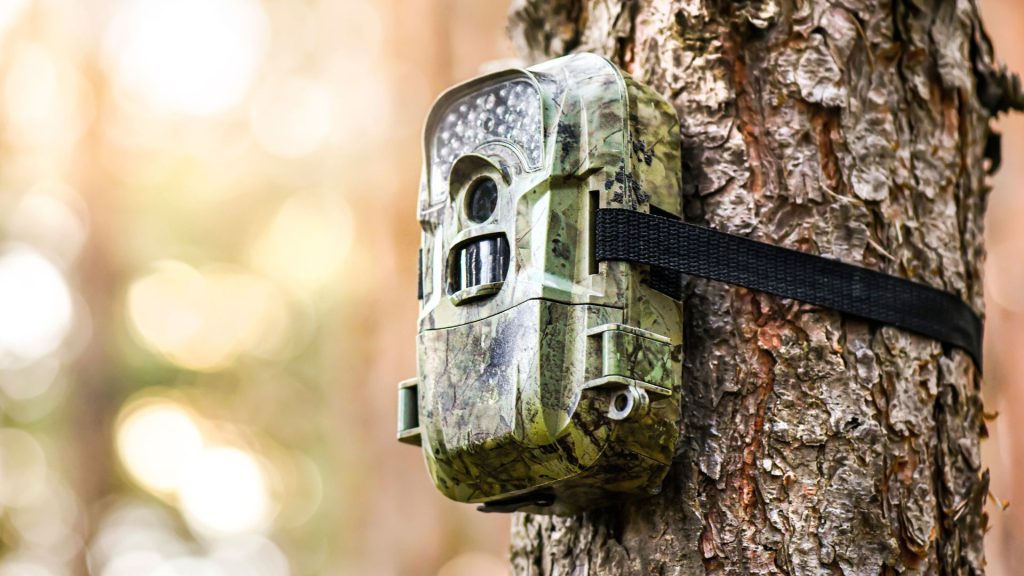
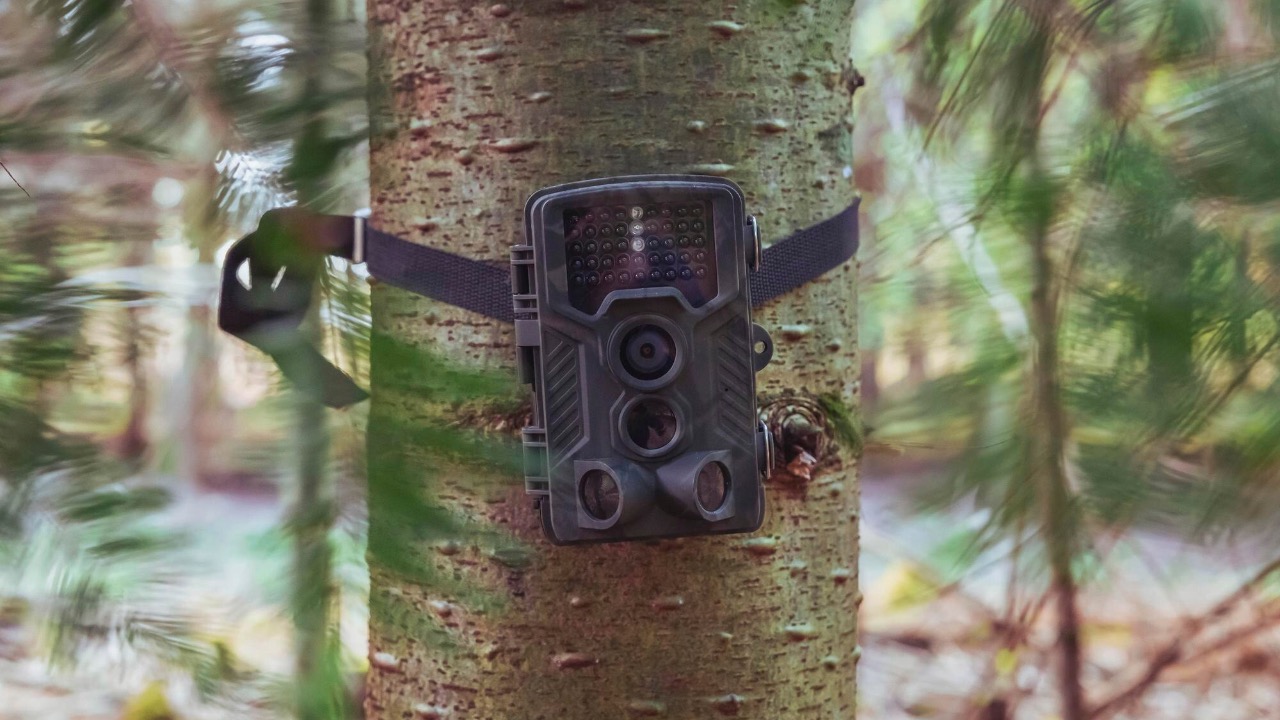
The conflict began when the man noticed what he believed was a concealed camera positioned in an area he considered private. Trail cameras are often used by wildlife agencies to track animal movement, monitor populations, or investigate potential violations of hunting laws.
However, the placement of those cameras can become controversial if landowners feel they weren’t informed or if the equipment is located close to homes or areas considered personal space. In this case, the discovery led to direct action instead of a report or inquiry, which escalated the situation.
Legal questions around surveillance and property rights
At the center of the case is the question of whether wildlife officials acted within their legal authority. Laws vary by state, but agencies are sometimes allowed to place cameras on public land or in areas tied to active investigations. The issue becomes more complicated when private property is involved.
The man’s defense is expected to focus on whether the camera violated his expectation of privacy. On the other side, officials may argue the camera was part of lawful monitoring activity. Cases like this often depend on very specific details about location, intent, and existing regulations.
Growing debate over hidden trail cameras
This situation reflects a broader debate happening in several states about the use of hidden cameras by wildlife agencies. Some landowners argue that these tools cross a line, especially when they are placed without clear communication.
Others believe the cameras are necessary for enforcing conservation laws and preventing illegal hunting practices. As technology becomes more common and easier to deploy, the tension between enforcement and privacy continues to grow.
What could happen next
The outcome of the case will likely depend on how the court interprets both property rights and the authority of wildlife officials. If the court sides with the landowner, it could lead to tighter restrictions on how and where agencies use cameras.
If the ruling favors the agency, it may reinforce existing practices and give officials broader confidence in using surveillance tools. Either way, the case is expected to draw attention from both legal experts and rural communities who are watching closely to see how the balance is handled.

Leo’s been tracking game and tuning gear since he could stand upright. He’s sharp, driven, and knows how to keep things running when conditions turn.