14 Surprising Facts About Snapping Turtles
If you spend enough time around ponds, creeks, and backwater sloughs, sooner or later you’ll run into a snapping turtle. Most folks recognize the attitude right away: a big head, prehistoric shell, and a willingness to defend itself when cornered. But there’s a lot more going on with these reptiles than the reputation suggests.
Snapping turtles have been roaming North American waterways for millions of years, and they’ve picked up some fascinating traits along the way. The more time you spend around them—whether you’re fishing, trapping, or running a boat through shallow water—the more you start to notice how unusual they really are. Here are several facts about snapping turtles that even people who spend plenty of time outdoors may not realize.
They Rarely Leave the Water Unless They Have To
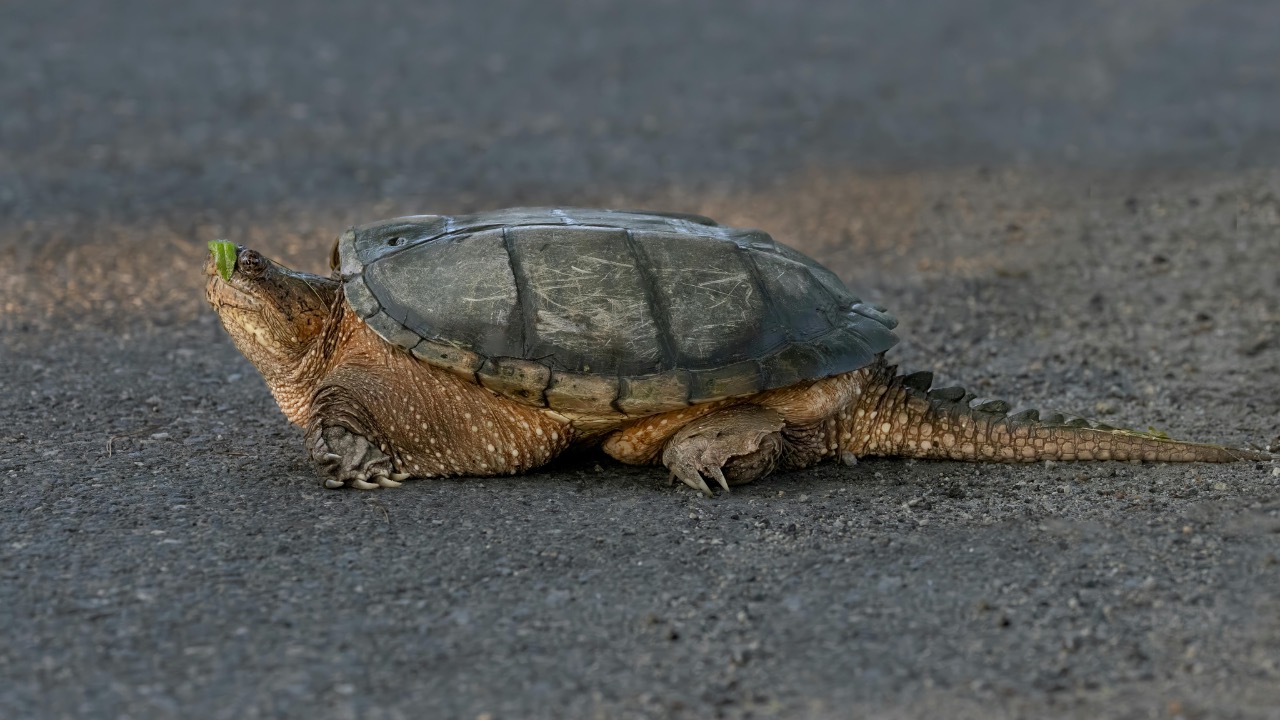
You usually see snapping turtles crossing a road or crawling through grass in early summer, but that’s not their preferred place to be. Most of the year they stay in the water where they feel safer and move more comfortably.
Their shell design explains part of that behavior. Compared to many turtles, a snapping turtle’s plastron—the bottom portion of the shell—is small. That leaves more of the body exposed. In the water it’s not a problem. On land it makes them feel vulnerable, which is why they tend to get defensive when someone approaches. What looks like aggression is often a turtle reacting to being out of its element.
Their Neck Is Longer Than Most People Expect
If you’ve ever tried to move a snapping turtle off a road, you probably noticed something surprising. That neck can reach much farther than it looks like it should.
A snapping turtle’s neck is extremely flexible, allowing it to extend quickly when striking prey or defending itself. When threatened, it can swing its head sideways and forward with surprising speed. That reach is one reason experienced outdoorsmen handle them from the rear of the shell or use a stick to guide them. Underestimating that reach is a mistake plenty of people only make once.
They Can Stay Underwater for Months in Winter
Snapping turtles handle cold weather in a way that seems almost impossible. When winter hits and ponds freeze over, they settle into the mud at the bottom and remain there for months.
Instead of surfacing for air, they rely on a process called cloacal respiration, where small blood vessels around the cloaca absorb oxygen directly from the water. It doesn’t support active movement, but it’s enough to keep them alive while their metabolism slows dramatically. When spring warms the water again, they return to normal activity like nothing happened.
Their Bite Is Powerful but Used Sparingly
Stories about snapping turtle bites get passed around campfires all the time. While their jaws are strong enough to cause serious injury, they don’t go around biting everything they see.
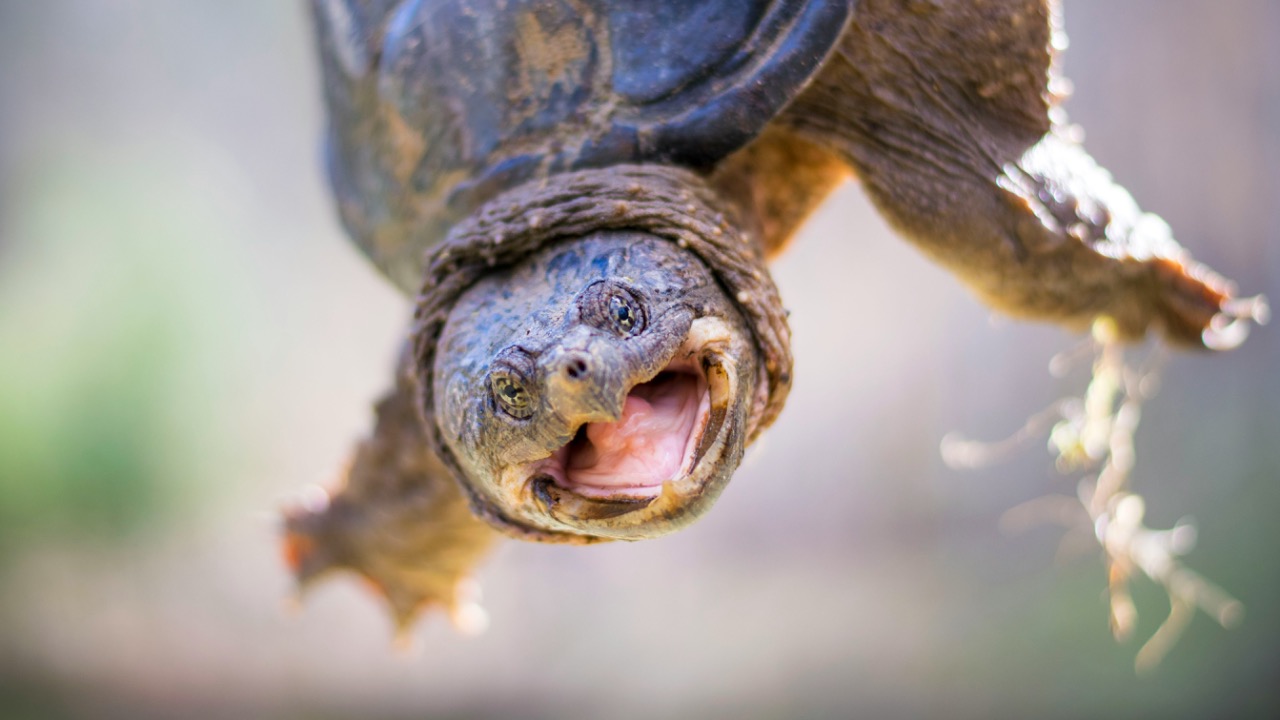
In the water they prefer to slip away rather than fight. Biting usually happens when a turtle feels trapped or handled. Their jaws are built for crushing fish, frogs, and shellfish, and the hooked beak helps them grip slippery prey. The strength is impressive, but most of the time the turtle would rather avoid trouble than start it.
They Play a Major Role in Cleaning Up Waterways
Snapping turtles have a reputation as predators, but they also act as important scavengers. A good portion of their diet comes from animals that have already died.
Fish carcasses, drowned rodents, and other organic material often end up on the menu. By consuming that material, snapping turtles help prevent decay from building up in slow-moving water. It’s one reason you’ll often find them in ponds that receive runoff or hold a lot of natural debris. In a quiet way, they help keep aquatic ecosystems functioning.
Their Tails Look Like Something From Another Era
One look at a snapping turtle’s tail and you might think you’re staring at a small dinosaur. The tail can be nearly as long as the shell and is lined with jagged ridges.
Those ridges are called keels, and they give the tail a saw-toothed appearance. It’s one of the features that sets snapping turtles apart from many other freshwater species. The tail also plays a role in balance while swimming and moving along the bottom. Combined with the rough shell and large head, it gives the turtle a look that hasn’t changed much in millions of years.
They Grow Slower Than You’d Think
A big snapping turtle looks ancient, and in many cases it probably is. These turtles grow slowly, especially after the early years of life.
A hatchling might only be the size of a half dollar. It can take more than a decade for a snapping turtle to reach maturity, and large individuals may be several decades old. Growth rates depend on food availability, water temperature, and habitat conditions. When you see a truly large snapper, you’re likely looking at an animal that has survived a long time in the same water system.
Females Travel Surprisingly Far to Lay Eggs
During nesting season, female snapping turtles leave the water and head for dry ground where the soil is loose enough to dig. Sometimes that means traveling a considerable distance.
You’ll often see them crossing roads in late spring or early summer as they search for a suitable nesting spot. Gravel shoulders, sandy banks, and even garden beds can attract them. Once the eggs are laid, the female covers the nest and returns to the water. She doesn’t stay to guard it, which means many nests end up raided by raccoons, skunks, and other predators.
Hatchlings Face Long Odds
A snapping turtle nest can hold twenty to forty eggs, but only a small number of those hatchlings will survive to adulthood.
Predators often locate nests within days. Even after hatching, young turtles are vulnerable to birds, fish, raccoons, and large frogs. Their small size makes them easy targets. The species survives by producing a lot of eggs rather than protecting individual offspring. If a handful of hatchlings from each nest survive long enough to reproduce, the population holds steady.
They Use Ambush Tactics When Hunting
Snapping turtles don’t chase prey very often. Instead, they rely on patience and positioning.
A turtle will settle into the bottom mud or rest quietly among weeds and wait for something edible to wander close. When a fish, frog, or crayfish drifts within range, the turtle strikes with a fast extension of the neck and jaws. The movement is quick and efficient, which is why many animals never realize danger was nearby.
They Can Tolerate Poor Water Conditions
Snapping turtles show up in places where other species struggle. Muddy farm ponds, slow creeks, and murky backwaters often hold healthy populations.
Their ability to tolerate low oxygen levels and fluctuating water quality gives them an advantage. They can survive in environments where more sensitive aquatic animals disappear. That toughness helps explain why snapping turtles remain common across large parts of North America even as other wildlife declines in certain areas.
Their Shell Isn’t Built Like Other Turtles
When you picture a turtle shell, you probably imagine something smooth and rounded that fully protects the body. Snapping turtles break that pattern.
Their upper shell, or carapace, has a rough, ridged appearance and doesn’t extend far enough to cover the legs and head completely. That design gives them more flexibility and mobility in the water, but it also means they rely on attitude and quick reactions for defense instead of hiding inside the shell.
They Can Live for Several Decades
A snapping turtle that avoids predators, roads, and traps can live a long time. Many individuals reach 30 to 40 years of age in the wild.
Some biologists believe the largest specimens may live even longer. Because they grow slowly and mature late, long lifespans are important for maintaining stable populations. A single adult female may produce eggs for many years, contributing to the next generation long after reaching maturity.
They Have Surprisingly Good Vision Underwater
Snapping turtles rely heavily on sight when hunting. Their eyes are positioned to watch for movement while the body stays mostly still.
In clear water they can detect fish or frogs approaching from several directions. The turtle doesn’t need to chase much because the prey often swims close enough to strike. Combined with their ability to remain motionless for long periods, that visual awareness makes them efficient ambush hunters.

Asher was raised in the woods and on the water, and it shows. He’s logged more hours behind a rifle and under a heavy pack than most men twice his age.