Further restrictions on Glock-style handguns loom as states target convertible pistols
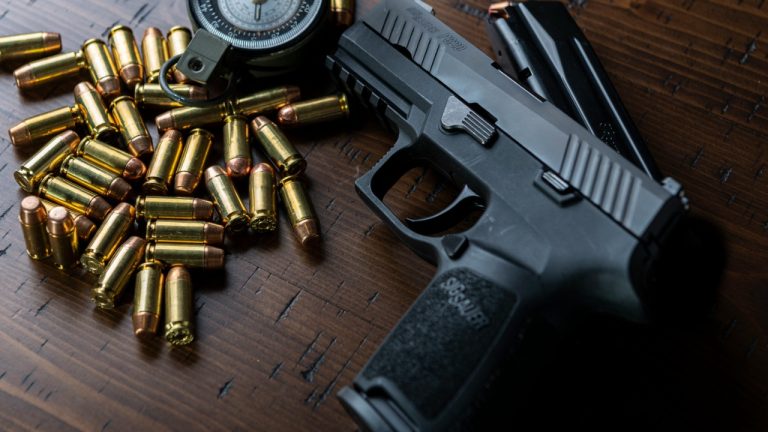
Lawmakers in several states are moving toward stricter limits on certain semi-automatic pistols, especially those described as “convertible.” These are firearms that can be illegally modified to fire automatically using small add-on devices. The push has picked up speed after law enforcement reported more cases involving these conversions.The focus isn’t just on the devices themselves — those are already illegal under federal law — but on the types of pistols that can be altered. That shift in approach is what’s driving the current debate, since it targets common handgun designs rather than just illegal parts.
What “convertible pistols” actually means
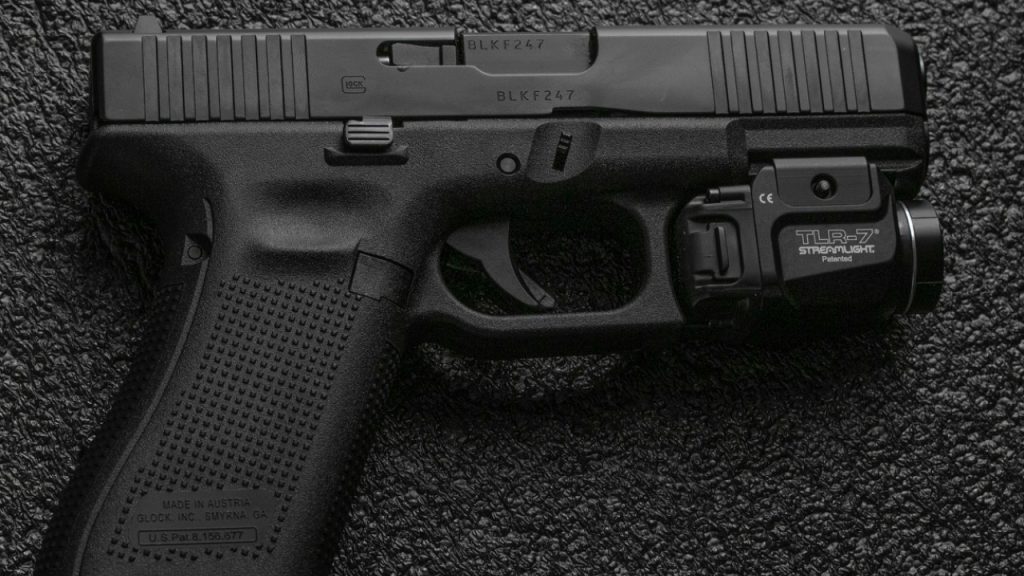
The term “convertible pistol” is being used in new legislation to describe semi-automatic handguns that can be turned into fully automatic weapons with a small device often called a switch. These devices are already banned federally because they effectively turn a handgun into a machine gun.
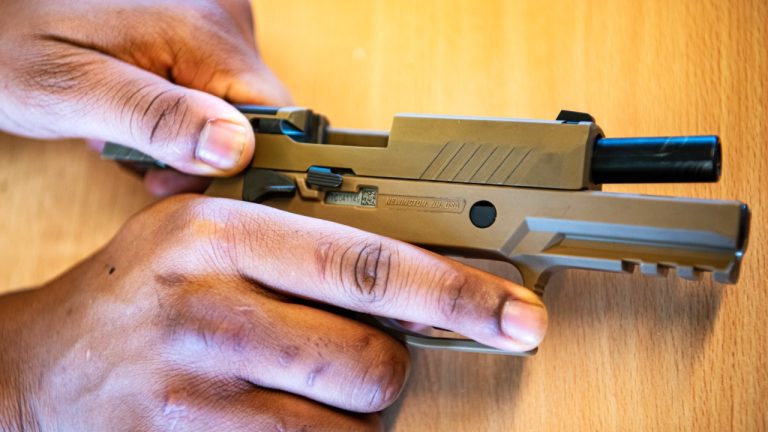
What’s different now is that some states want to ban the sale of pistols that could accept those devices in the first place. Many of these laws focus on design features like a “cruciform trigger bar,” which is commonly associated with Glock pistols and similar models.
States pushing new restrictions
States like Connecticut, Maryland, and California are leading this push, with bills that would restrict or ban the sale of certain pistols moving through legislatures. Some proposals would stop future sales, imports, or manufacturing of these firearms within state lines.
In Connecticut, for example, lawmakers have advanced legislation aimed at banning pistols that can be “readily converted” using simple tools. Similar efforts in Maryland would go even further by targeting entire categories of handguns that fall under the definition of convertible.
Supporters say it’s about preventing rapid-fire weapons
Supporters of these laws argue that the goal is to reduce the spread of illegally modified firearms that can fire at extremely high rates. Law enforcement has pointed to an increase in seizures of converted weapons as a reason for taking action at the design level rather than just targeting illegal accessories.
From this perspective, limiting access to easily modifiable firearms could make it harder for illegal conversions to happen in the first place. Some lawmakers have also said the pressure could push manufacturers to redesign products to make them less susceptible to modification.
Critics say the approach targets legal owners
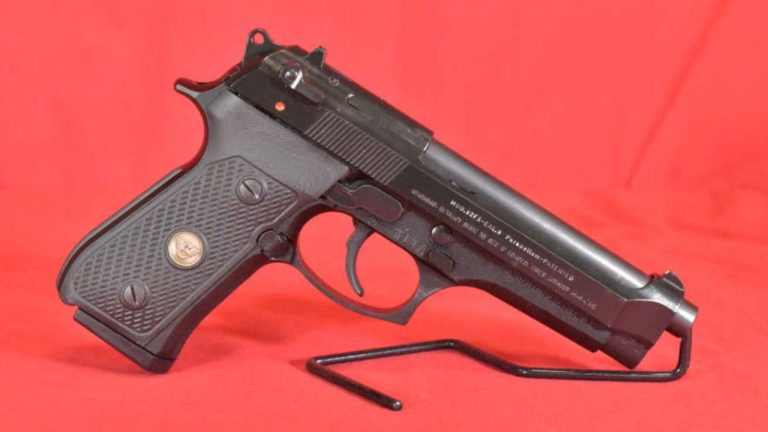
Opponents argue that the legislation goes too far by targeting widely owned, legal firearms instead of focusing on criminals using illegal modifications. Because many of the affected pistols are among the most popular in the country, critics say the laws could impact a large number of lawful gun owners.
There’s also debate over how “convertible” is defined. Some argue the wording is too broad and could include more firearms than lawmakers intend, leading to confusion about what is actually allowed under the law.
What happens next
Most of these proposals are still working their way through state legislatures, so the final outcome isn’t set yet. Some could pass in modified form, while others may face legal challenges if they become law.
What’s clear is that the focus of gun policy debates is shifting. Instead of only targeting illegal modifications, some states are now looking directly at the design of firearms themselves — and that’s likely to keep this issue in the spotlight going forward.

Leo’s been tracking game and tuning gear since he could stand upright. He’s sharp, driven, and knows how to keep things running when conditions turn.