Trump threatens to pull US troops from Germany amid escalating feud with Chancellor Merz
Tensions between the United States and Germany have risen after President Donald Trump suggested he is considering reducing the number of U.S. troops stationed in Germany. The comments come during a growing public dispute with German Chancellor Friedrich Merz over the handling of the ongoing conflict involving Iran.
Trump said the U.S. is “studying and reviewing” a possible troop reduction, with a decision expected in the near term. The statement quickly drew attention because Germany hosts one of the largest concentrations of American forces in Europe, making any change politically and strategically significant.
What triggered the dispute
The latest exchange began after Merz criticized the United States’ approach to the Iran conflict, suggesting Washington was being “humiliated” in its negotiations and lacking a clear strategy. That comment reportedly angered Trump, who responded with sharp criticism of the German leader.
Trump accused Merz of focusing on international issues while failing to address domestic problems in Germany. The back-and-forth has turned what was already a tense relationship into a more direct political clash between the two leaders.
The troop presence in Germany
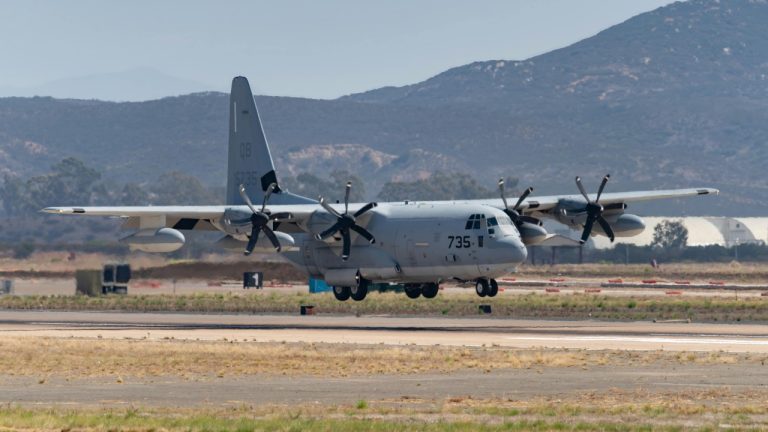
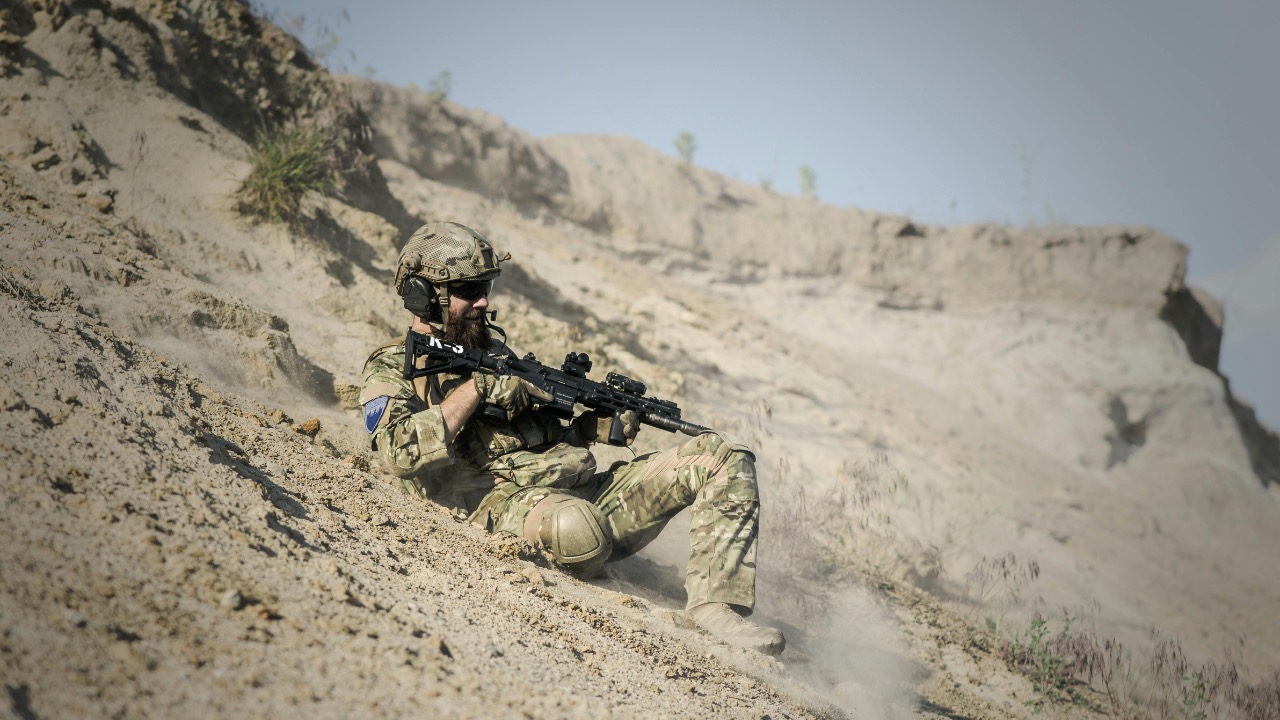
The U.S. maintains tens of thousands of troops in Germany as part of NATO commitments and long-standing defense arrangements dating back to the Cold War. Germany also serves as a key operational hub for American military activity across Europe, the Middle East, and Africa.
Major facilities like Ramstein Air Base play a central role in logistics, air operations, and medical support for U.S. forces overseas. Because of this infrastructure, any potential troop reduction would have effects far beyond Germany itself.
Political and strategic implications
Trump’s comments have reignited a long-running debate over how much the United States should contribute to European defense. He has previously criticized NATO allies for not spending enough on their own militaries, arguing that the U.S. carries too much of the burden.
Supporters of a reduced presence say shifting troops could push European allies to take greater responsibility for regional security. Critics argue that withdrawing forces would weaken NATO coordination and reduce America’s ability to respond quickly to global crises.
Germany’s response and wider concerns
German officials have responded cautiously, emphasizing the importance of maintaining strong transatlantic ties. While Merz did not directly escalate the situation further in his most recent remarks, he reaffirmed cooperation with the United States and NATO allies.
At the same time, European leaders are aware that similar threats have been made in the past, and not all of them resulted in actual troop withdrawals. Still, the renewed tension adds uncertainty to an already strained relationship shaped by disagreements over Ukraine, Iran, and defense spending.
What happens next
For now, no formal decision has been announced, and any troop reduction would likely face logistical and political hurdles within the U.S. government and NATO structure. Military analysts also note that Germany remains a central strategic location for American operations.
Even if the comments are not immediately acted on, they signal continued friction between Washington and Berlin. The situation is now being watched closely by NATO allies, who rely on stable U.S.-European cooperation for regional security planning and crisis response.

Leo’s been tracking game and tuning gear since he could stand upright. He’s sharp, driven, and knows how to keep things running when conditions turn.