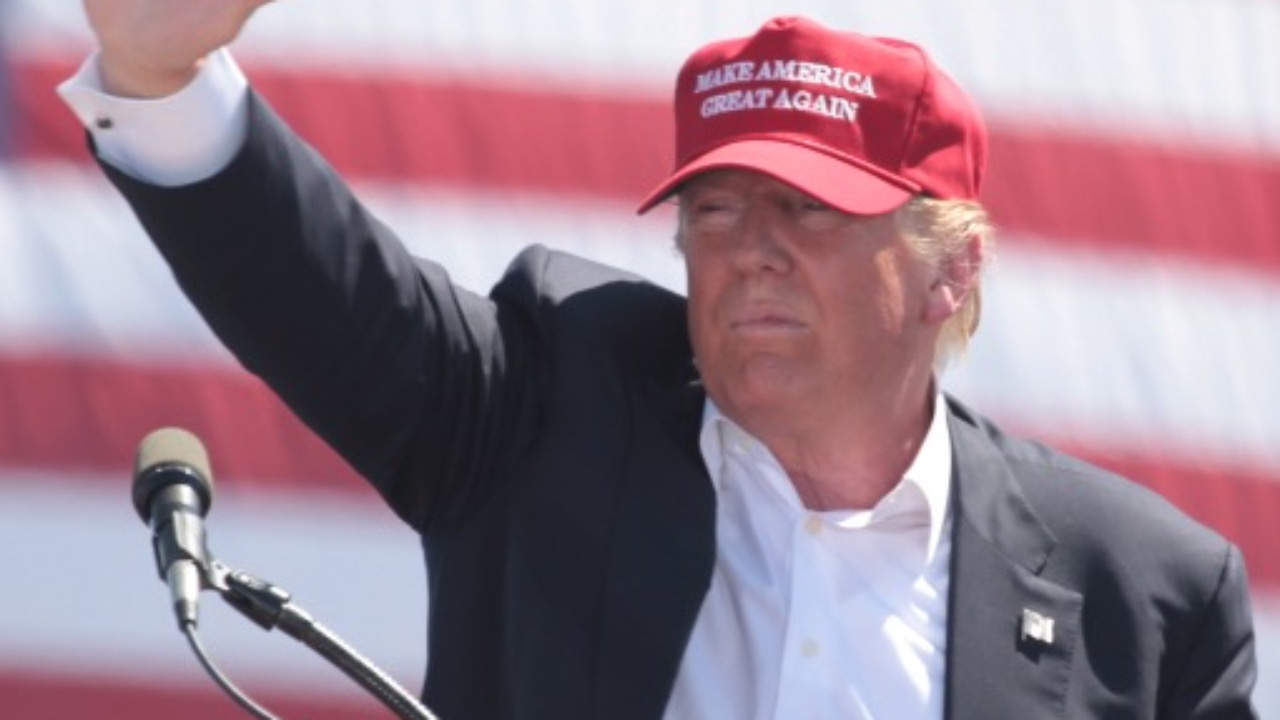
Donald Trump faces racial discrimination lawsuit over alleged firings of Black officials
Washington moves fast when personnel shake-ups hit independent agencies, and this one carries extra weight. You track these developments because they test the boundaries between presidential authority and basic protections against bias. A pair of lawsuits filed by former board members now accuse the administration of targeting Black officials in ways that go beyond routine changes. The claims rest on patterns in who got removed and who stayed, all framed under the Fifth Amendment. Court records lay out the sequence, from abrupt dismissals in 2025 to amended complaints that added explicit race discrimination allegations.
Alvin Brown’s Path to the NTSB
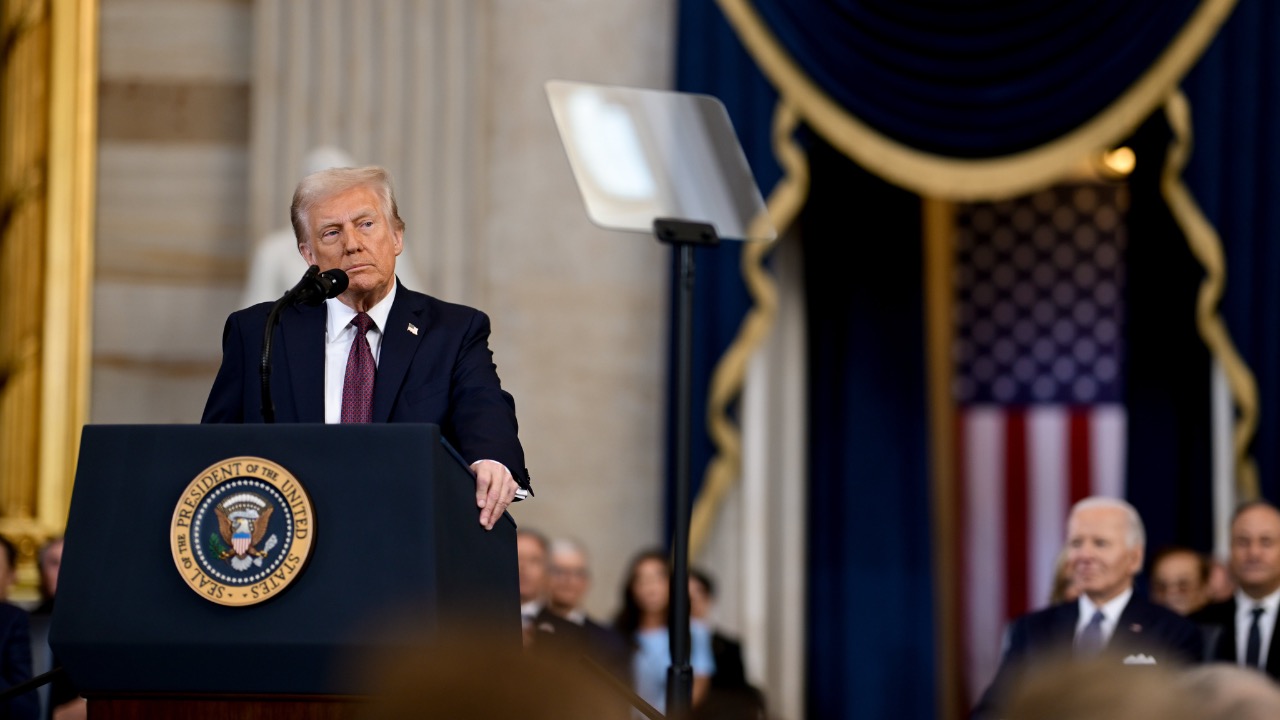
Alvin Brown arrived at the National Transportation Safety Board after a Senate confirmation process that highlighted his expertise in transportation safety. President Biden had tapped him as a Democrat for the vice chair role, and he took office with a term set to run through the end of 2025. His work focused on accident investigations and policy recommendations that affected airlines, railroads, and pipelines nationwide.
Records show Brown stood out as the only Black member on the board at the time. Colleagues described his contributions as steady and data-driven, with no public record of performance issues during his tenure. The firing notice arrived without warning or stated reason, leaving many observers to question the timing and rationale behind it.
The Day the Firing Notice Arrived
Brown received a short email in May 2025 that ended his service on the board. The message offered no explanation beyond the administration’s decision to move in a different direction. Within weeks, a white man took his place, a shift that drew immediate notice from legal observers monitoring federal appointments.
This kind of sudden removal was not unique to Brown. Similar notices went to other officials at independent agencies during the same period. The pattern prompted his legal team at the Democracy Forward Foundation to dig deeper into who else had been let go and under what circumstances.
Spotting the Disproportionate Impact
Court filings point to a clear imbalance in how removals played out across multiple agencies. Brown and Robert Primus, the former chair of the Surface Transportation Board, were the only Black members in their respective groups when they lost their positions. Both were Democrats, yet other Democrats on those boards kept their seats.
The Surface Transportation Board case followed a similar script, with Primus dismissed in August 2025. Legal documents note that white officials in comparable roles faced lower removal rates overall. These details emerged as the plaintiffs amended their complaints to focus on equal protection concerns.
Numbers That Fuel the Discrimination Claim
Data compiled for the lawsuits shows roughly 75 percent of Black officials on independent agency boards were removed during the early months of the term. By comparison, the rate for white officials sat closer to 27 percent. Out of about 30 Democratic appointees targeted in the broader wave, eight were Black.
Lawyers argue the gap cannot be explained by party affiliation alone. They highlight instances where Black Senate-confirmed leaders were replaced by non-Black nominees or left unfilled entirely. The statistics come directly from public appointment records and agency rosters reviewed in the complaints.
Arguments Built on the Fifth Amendment
The core legal claim invokes the Fifth Amendment’s guarantee of equal protection. Plaintiffs contend that race influenced the selection process in a way that violated constitutional standards. Their attorneys cite precedents like the McDonnell Douglas framework to establish an initial showing of discrimination that the government must then rebut.
Filings emphasize that the removals fit with public statements criticizing diversity initiatives. Brown and Primus maintain the decisions went further than policy disagreements and crossed into prohibited territory. District court judges have allowed these specific claims to move forward while pausing others tied to removal protections.
How the White House Pushes Back
Administration officials maintain that all decisions rested on performance and the need to align agencies with current priorities. They deny any role for race and insist the president holds broad authority to replace officials at independent bodies. Spokespeople have described the changes as standard adjustments rather than targeted actions.
Legal briefs from the government argue that courts should defer to executive choices in these matters. They reject the idea that statistical patterns alone prove bias, pointing instead to competence reviews conducted internally. No public comment has addressed the specific racial disparity figures head-on.
Ties to Wider Shifts in Federal Policy
The lawsuits arrive amid larger efforts to scale back diversity-related programs across the executive branch. Executive orders issued early in the term directed agencies to review and eliminate certain equity-focused efforts. Officials described these steps as corrections to what they viewed as overreach from the prior administration.
Independent agencies like the NTSB and STB operate with some insulation from direct political control, yet the firings tested those boundaries. Observers note that the personnel moves coincided with budget adjustments and staff reductions in several departments. The overlap has fueled debate over whether efficiency goals masked other motivations.
Where the Cases Stand in Court Now
Both lawsuits sit in federal district court in Washington, with motions to dismiss the discrimination portions still under review as of late April 2026. Judge Dabney Friedrich allowed the race claims to proceed separately from disputes over removal authority, which await Supreme Court guidance in related cases.
Discovery has not yet begun in earnest, but the filings already contain detailed timelines and appointment data. Legal teams on both sides continue to file briefs that outline their positions. The outcomes could shape how future presidents handle similar transitions at multimember commissions.

Asher was raised in the woods and on the water, and it shows. He’s logged more hours behind a rifle and under a heavy pack than most men twice his age.