Border Patrol arrests Sinaloa Cartel-linked migrant attempting desert crossing
When agents from the Nogales Border Patrol Station recently picked up a group of 13 people crossing through the remote Sonoran Desert, one detail stood out right away. Among those taken into custody was a Mexican national with documented links to the Sinaloa Cartel. These kinds of operations happen regularly in the Arizona desert, yet each one highlights the same mix of determined migrants, rugged terrain, and organized criminal networks that keep the border in constant motion. You read about these arrests and start to picture the long stretches of sand and scrub where everything plays out, far from the usual ports of entry.
Navigating the Sonoran Desert’s demanding environment
The Sonoran Desert stretches across southern Arizona and northern Mexico with extreme heat that often tops 110 degrees in the summer months. Migrants who attempt crossings here face miles of open ground without reliable water sources or shade. Many carry only what they can hold in a small pack, relying on guides who promise safe passage but frequently abandon groups when trouble appears.
Agents know the patterns because they patrol the same trails day after day. Footprints in the dust, discarded water bottles, and discarded clothing tell the story of recent movement. The landscape itself becomes part of the enforcement challenge, forcing everyone involved to move carefully and stay alert to sudden changes in weather or visibility.
The routine patrols that cover vast open spaces
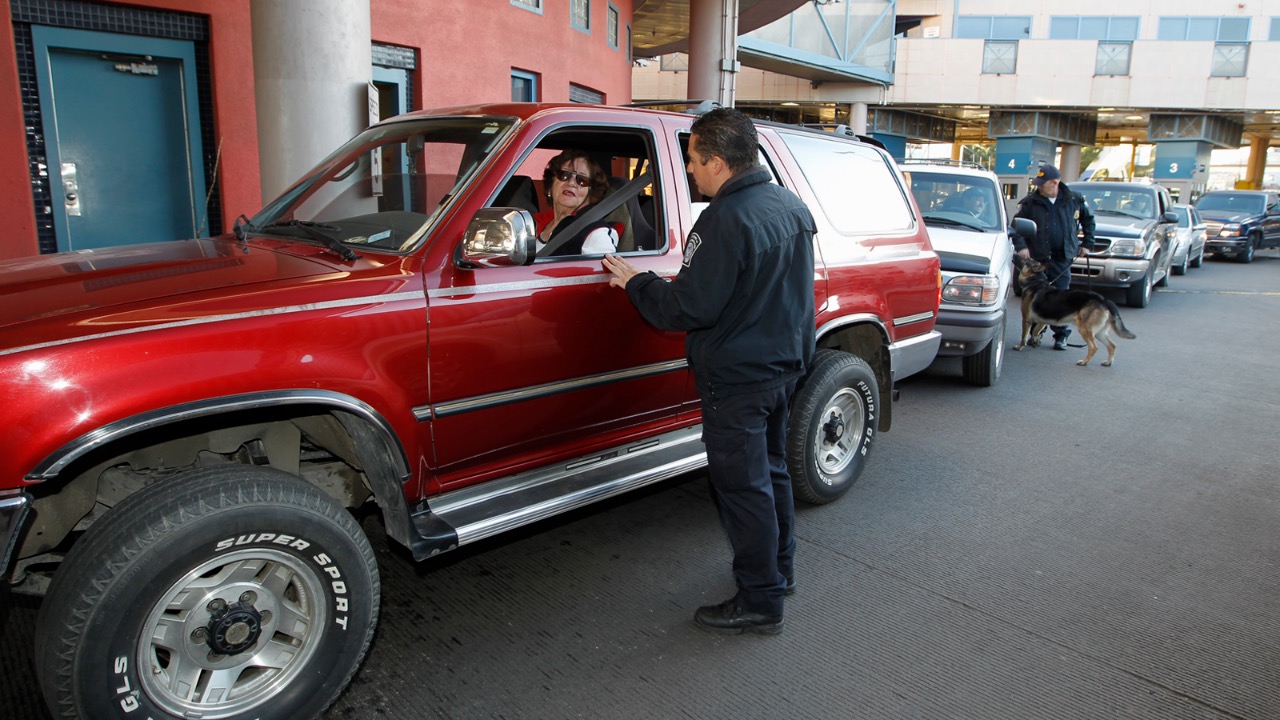
Border Patrol teams stationed in Nogales spend much of their time on vehicle and foot patrols through areas that see little daily traffic. They use a combination of ground sensors, aerial support, and direct observation to spot groups moving at night or during the cooler hours. When a crossing is detected, agents respond quickly to intercept before the travelers scatter or reach more populated zones farther north.
Training emphasizes safety for both the officers and anyone they encounter. Dehydration, heat exhaustion, and injuries from the rough terrain are common, so medical aid often comes before any questioning. The work requires steady focus because the desert does not forgive mistakes on either side of the encounter.
How cartel networks shape smuggling routes
The Sinaloa Cartel has maintained a strong presence in Sonora for years, controlling corridors used for both drug shipments and human movement. Smugglers who work under cartel oversight charge high fees and dictate which paths groups will take. Those connections turn up during processing when background checks reveal prior links or tattoos associated with the organization.
Agents document these ties because they matter for federal prosecution. A simple desert crossing can involve layers of coordination that reach back across the border. The cartel profits from volume, so even smaller groups like the recent one near Nogales fit into a larger operation that treats people as another form of cargo.
Processing and identification after an arrest
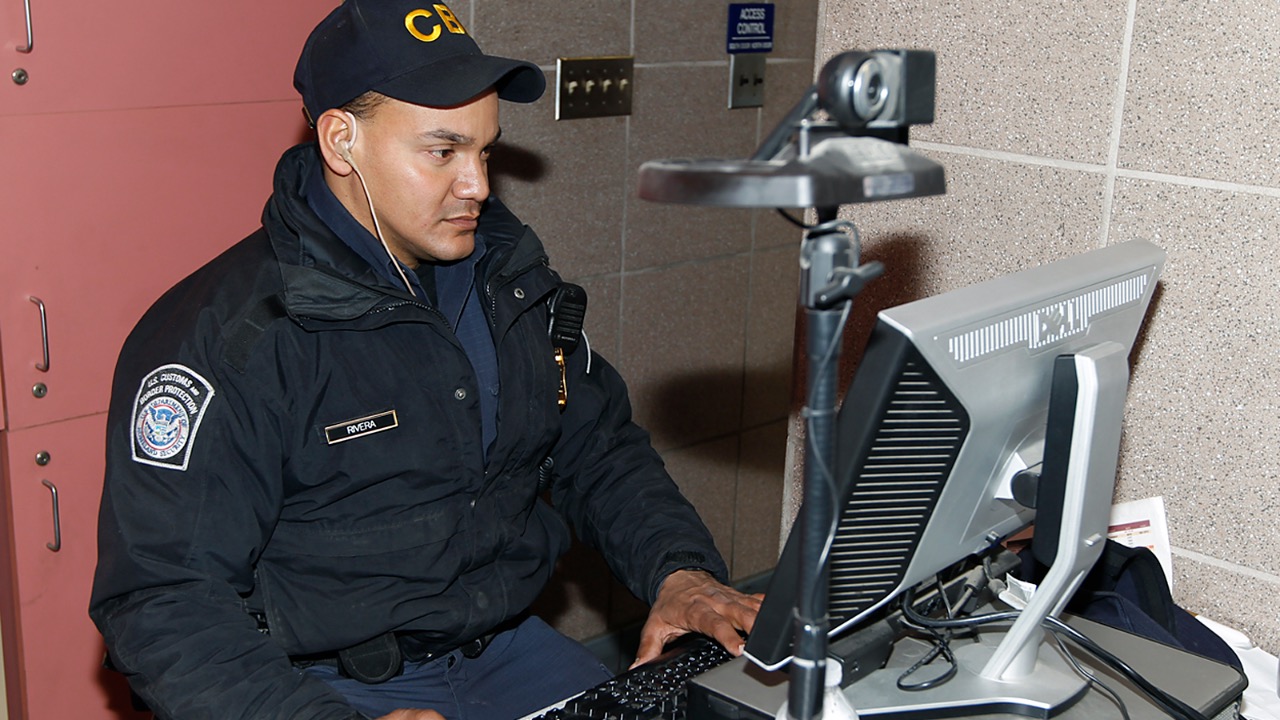
Once agents secure a group, the individuals receive medical screening and basic care before formal processing begins. Fingerprints and biographical details go into national databases that can flag criminal history or known cartel affiliations. In the recent Nogales case, that step identified the one individual with Sinaloa connections.
Federal authorities then decide on next steps, which can include criminal charges for those with serious links versus administrative removal for others. The process moves deliberately because accuracy counts, and every case adds to the broader picture of activity along this stretch of the border.
The persistent risks migrants accept
People who set out across the desert often do so after hearing stories of opportunity farther north, yet the journey itself carries real dangers that guides downplay. Exhaustion sets in fast, and groups sometimes split up when someone falls behind. Rescue calls to 911 have become more common, but help does not always arrive in time.
Border Patrol logs show repeated incidents of medical emergencies in the same remote zones. The desert does not distinguish between those with cartel ties and those simply seeking work. Each crossing attempt adds to the human cost that continues despite increased enforcement presence.
Broader patterns in Arizona border enforcement
Operations like the one in Nogales reflect steady pressure applied across the Tucson Sector, where agents handle both large groups and smaller guided crossings. Technology helps extend their reach, but the sheer size of the area means boots on the ground still make the difference. Cartel scouts watch from high points, adjusting tactics when patrols shift.
The recent apprehension fits into months of similar actions that disrupt smuggling routes without stopping them entirely. Officials track these incidents to adjust resource allocation and share intelligence with counterparts in Mexico. The work remains ongoing, shaped by geography, economics, and the enduring pull of cross-border movement.

Asher was raised in the woods and on the water, and it shows. He’s logged more hours behind a rifle and under a heavy pack than most men twice his age.